When did we start needing instructions to go clubbing?
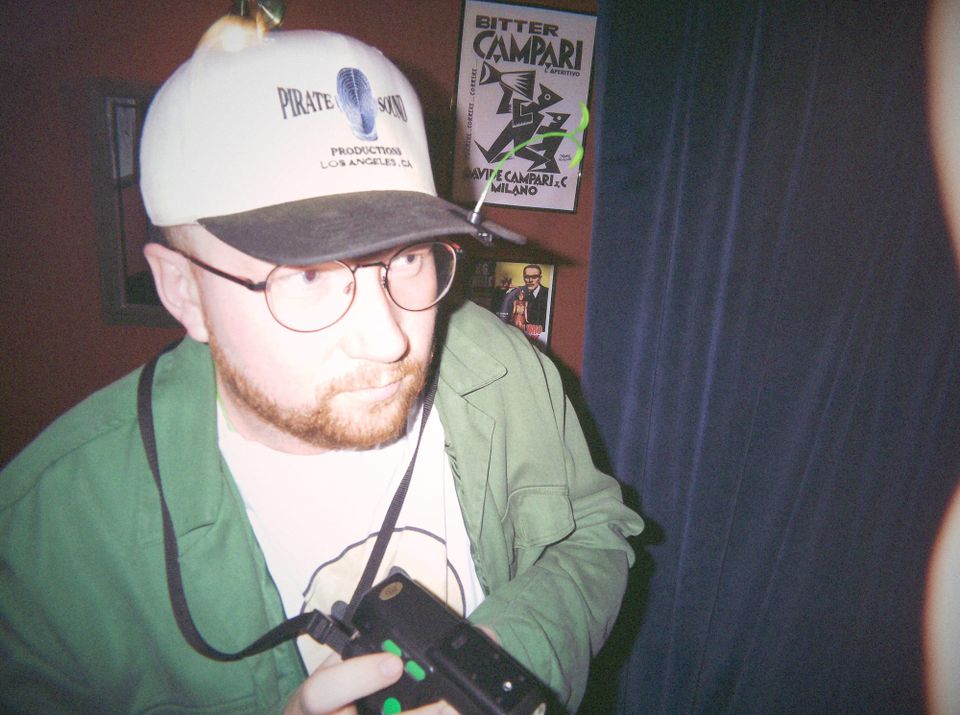
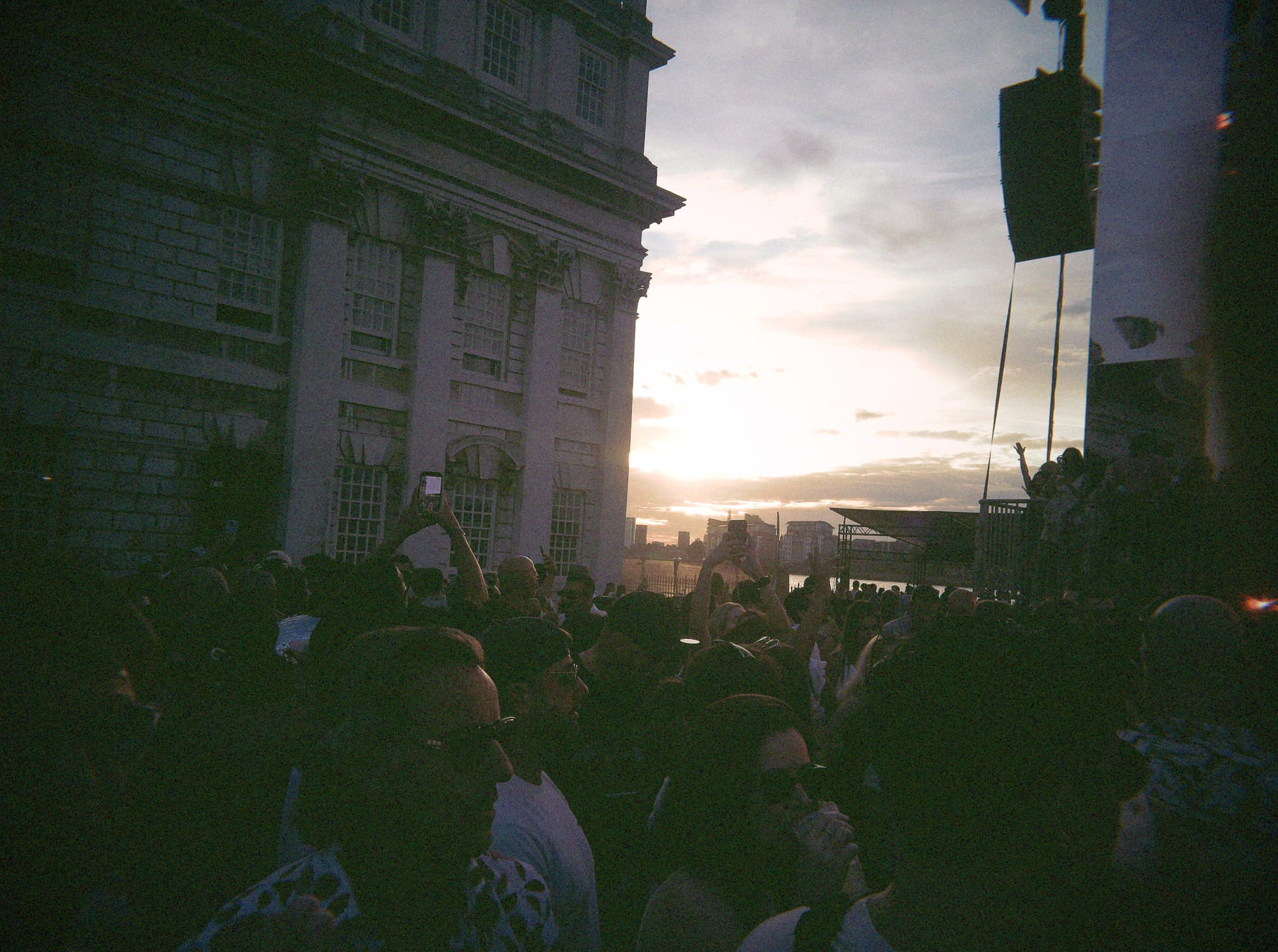
Congratulations, you're reading the first issue of FrontLeft I've written chunks of in an actual club. It’s 10 PM. Still early, really, but the DJ is going for it. The music is good, the kind that makes you want to lose yourself in it for a bit, and I’m feeling it. There’s just one problem. I can’t actually dance.
It’s not because the floor is packed, or because I’m feeling self-conscious. It's not that I’ve suddenly forgotten how to move my limbs. It’s because everyone around me is standing completely still, huddled together in little groups, chatting amongst themselves. And because the music is loud, they are having to shout to be heard. Which means they are getting louder, and louder, until the music itself becomes little more than a backing track to ten different conversations happening simultaneously around me.
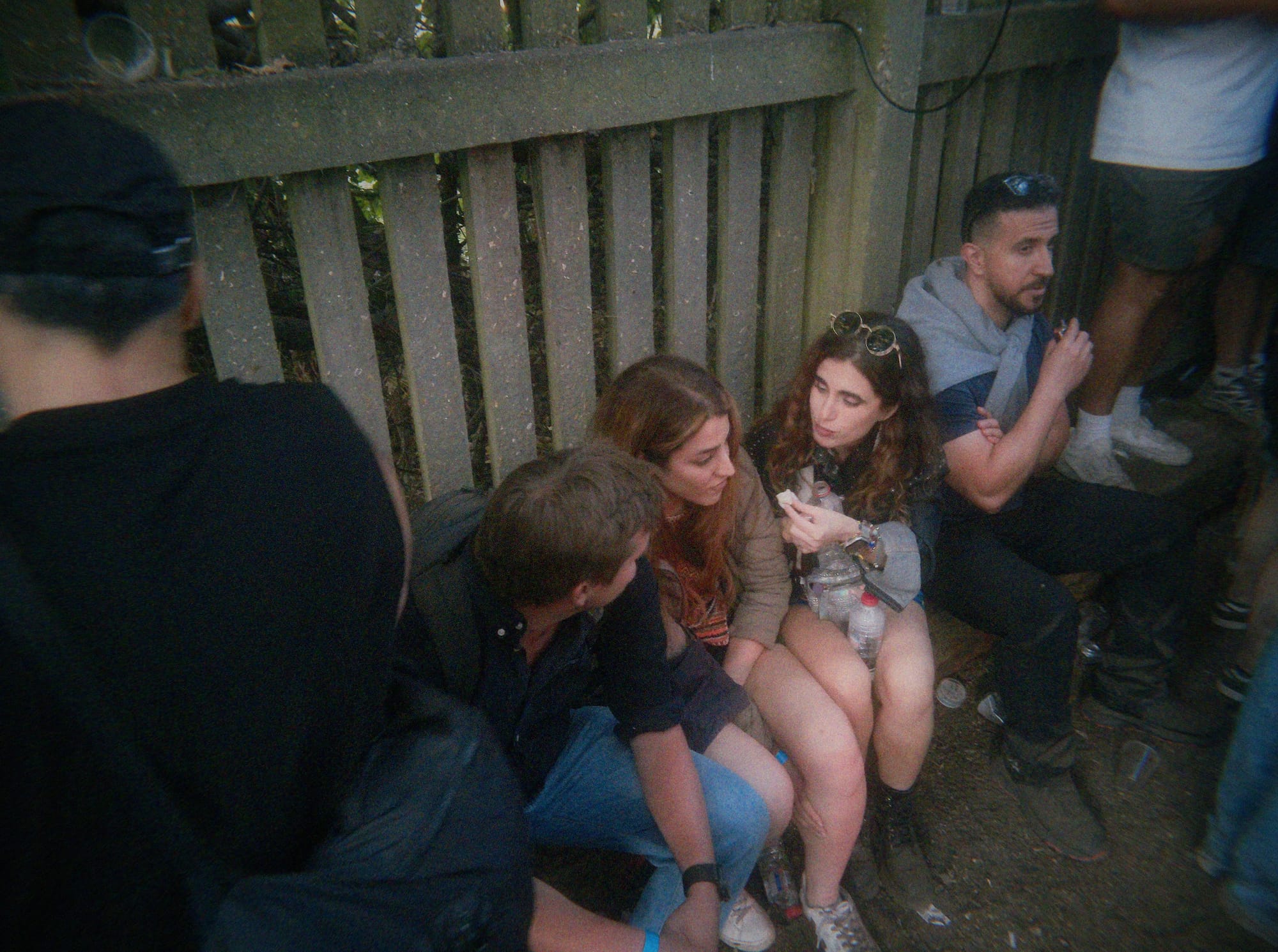
I’m trying to listen to the DJ. I really am. But all I can hear is someone explaining something to their mate, someone else shouting a question to someone else, and a third person apparently having a very important conversation about a woman that went home with the day before. The music is there, somewhere, but it’s fighting a losing battle against a room full of people who seem to have forgotten why they came out in the first place. It's a yappocalypse. I'm sure later people will lock in, but for now the dancefloor is chatty. Too chatty.
It makes me feel more middle-aged than the fact I’m leaving my mid-thirties behind. And I appreciate that complaining about other people enjoying themselves is hardly the most youthful thing a person can do. There's something deeply embarrassing about becoming the person who thinks everyone else is having fun incorrectly. But honestly, would it be too much to ask for people to just… dance a bit? Quietly.
I don’t think talking should be banned on dancefloors. Far from it. Clubs are social spaces, places where you meet people, make friends, fall in love, have ridiculous conversations at 4 AM and occasionally find yourself explaining your entire life story to someone whose name you’ve already forgotten. Some of the best things about going out have absolutely nothing to do with the music. The community that forms around clubbing is one of the reasons I keep coming back, and I’d hate to see dancefloors become sterile spaces where everyone is expected to stare straight ahead and acknowledge nobody. Dancefloors are supposed to be messy spaces and club culture is better for it.
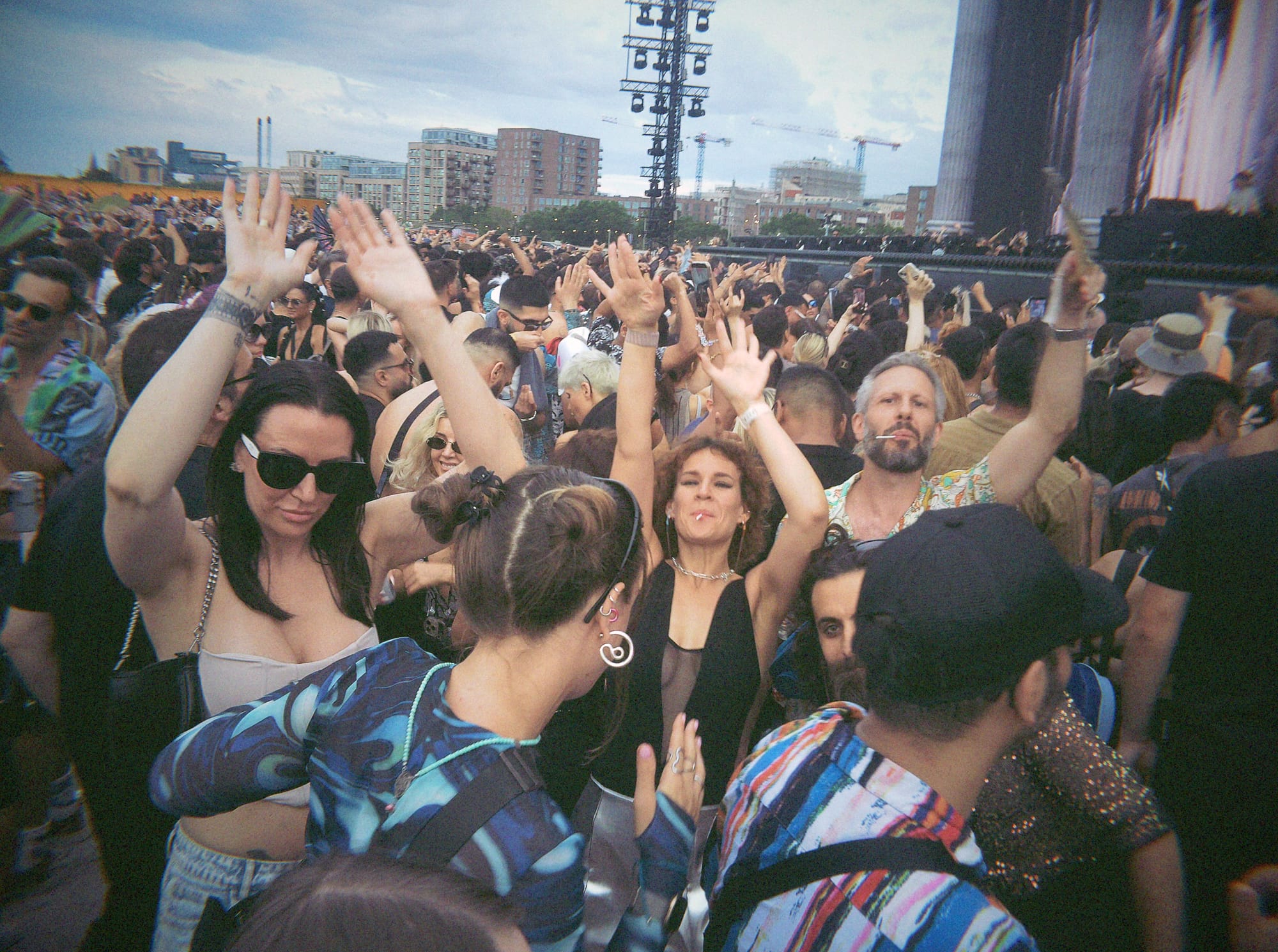
But there is a difference between talking to someone while you dance and standing motionless in the middle of a dancefloor, shouting over the music because you want to have a conversation. One is part of the experience. The other can feel like you’ve accidentally wandered into a particularly loud pub that happens to have a very good DJ.
Nobody is necessarily doing anything wrong. These people have paid to be here, just like I have. They’re enjoying themselves, presumably. Who am I to tell them how to spend their Saturday night? Yet there’s a strange contradiction when the thing that brings everyone into the same room becomes the least important thing happening inside it.
A DJ can spend hours putting together a set, carefully building tension, finding the right record at the right moment, creating the kind of atmosphere that makes a room full of strangers feel connected. And then, as is the case at this night which I'm not going to name because it's really not their fault, that crowd can collectively decide that none of that matters quite as much as catching up on the week’s gossip. You don’t have to be a music obsessive to think it's a bit daft.
Maybe this is just what getting older looks like. Maybe I’m becoming increasingly intolerant of things I once wouldn't have noticed. Maybe I need to accept that not everyone wants to spend their night moving to the music.
But I keep coming back to a simple question. If we've all paid to hear a DJ play music, travelled across town to stand in a room full of speakers, and found ourselves surrounded by people who are all shouting over the very thing you came to hear, what are we even doing here?
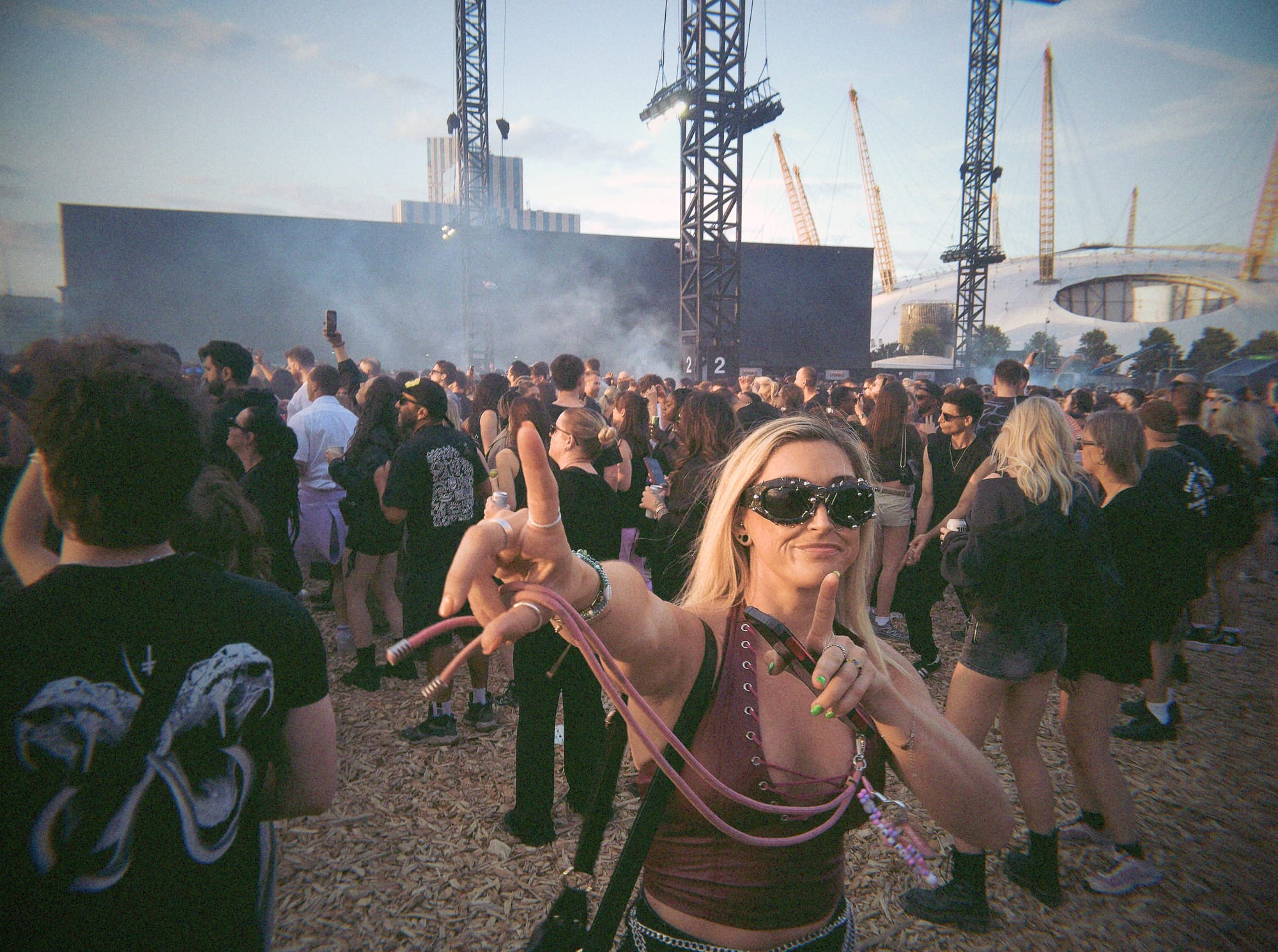
I’m not asking for everyone to dance as if their lives depend on it. I’m not asking for synchronised choreography, or some miserable purist’s fantasy of a perfect dance floor. Talk if you want to, do whatever you want, but if a DJ is killing it, maybe let the music do some of the talking.
Of course, if you absolutely must shout your mate’s ear off, perhaps take three steps towards the bar. The DJ is doing their best. The least we can do is listen.
The Mix
I saw Anya's warm-up set at Eclectic Zoo last month and enjoyed it, and it has finally made its way to SoundCloud, so here it is: a melodic house/techno mix that's the perfect accompaniment to this week's newsletter that was also the perfect way to ease into a party I'd gotten to after a hard day navigating Drumsheds.
Clubbing isn't supposed to be this complicated
One of the best things about going clubbing is that, for a few hours, you can stop worrying about what everyone else thinks of you. You can put on some ridiculous clothes, dance like an idiot, sweat through your "going out" t-shirt, and spend six hours in a room with people whose names you don't know, united by nothing more than a shared appreciation for some very loud music. You can be whoever you want to be, do whatever you want to do, and nobody needs to know a single thing about your life outside those four walls.
At least, that's the idea. But over the last few years I've noticed that clubbing has become something we're expected to learn how to do. Open TikTok (or Instagram Reels if, like me, you never got TikTok and don't understand it) and you'll find people telling you what to wear to Berghain, how to dance to techno, which clubs are worth visiting, which DJs you absolutely must see, and how to behave if you want to be considered a proper raver. There are guides to getting the perfect clubbing outfit, videos show you the "correct" way to move to a particular genre, and endless recommendations about where you should spend your weekends if you want to be part of the scene.
It's all a bit exhausting. Especially when the entire point of club culture, at its best, is that there isn't really an objectively correct way to do anything, as long as you're having fun.
Social media may have ruined democracy, but for music it's largely been a positive. I've discovered DJs through Instagram, found parties through friends sharing them, and ended up in rooms I might never have known existed without someone posting about them online. For independent promoters trying to get people through the door, social media can be an absolute lifeline. For people who are new to clubbing, it can be a brilliant way to find their feet and discover a community they didn't know was waiting for them. Even if you're an experienced raver, surely you can see the value in getting endlessly advertised the same raving neck fan 2-3 times a day.
But there's a difference between discovering club culture and being told how to participate in it. And I'm increasingly worried that we're confusing the two.
Take dancing, for example. Learning to dance to techno through TikTok is a particularly strange proposition when you consider that techno, like so much dance music, has always been about finding your own rhythm. There's no choreography to learn, no correct sequence of movements to memorise, no secret handshake that proves you belong. You listen to the music, you feel something, and you move your body in whatever way feels right. That's it. Congratulations, you're dancing. I used to complain I couldn't dance sober to a friend of mine and he just said "if you're moving your knees, you're probably dancing" and that's stuck with me as I bob and rock depending on what i'm listening to.
Yet social media has a way of turning even the most personal forms of expression into a series of instructions. Suddenly there are the right moves for hard techno, the right way to look when you're dancing, the right amount of energy to bring to a dancefloor. You can watch someone demonstrate how to move your shoulders, where to put your hands, and how to look sufficiently lost in the music. And if you follow the instructions correctly, perhaps you, too, can achieve the sort of effortlessly cool dancefloor presence that looks great in a 30-second video.
Except that dancing isn't supposed to be an audition. Some of the best dancers I've ever seen in clubs are people who look like they've never watched a dance tutorial in their lives. They aren't necessarily doing anything technically impressive. They might be bouncing slightly out of time, waving their arms around, or performing movements that would be difficult to explain to a choreographer. But they're having the time of their lives, and watching someone genuinely lose themselves in music is infinitely more infectious than watching someone perform a carefully rehearsed routine.
The same thing is happening with clothes. There was a time when getting dressed for a club meant putting on whatever made you feel good, whether that was an old football shirt, an elaborate outfit assembled from charity shops, or something you wouldn't dream of wearing anywhere else. Fashion has always been part of club culture, of course. From the flamboyance of disco to the DIY creativity of early rave, the way people dress has helped make dancefloors spaces for experimentation and self-expression.
But there's a difference between fashion emerging from a scene and fashion dictating what a scene should look like. When every other video tells you what to wear to a particular club, which sunglasses to buy, or how to achieve the perfect underground techno aesthetic, individuality starts to look suspiciously like conformity. I've noticed this before queuing to get into clubs in Berlin or even just getting into Fold sometimes, where people who don't want to express themselves primarily through fashion (or want to be comfortable over looking good) are sometimes penalised, but it's wild to see this become the subject of influencer culture.
The end result is that everyone is trying to look like someone who doesn't care what anyone thinks, while taking careful notes on what everyone else is wearing. Ironic.
And then there's the question of where we go. Social media has made it easier than ever to discover clubs and parties, but it's also created a hierarchy of places that supposedly matter. Certain venues become essential destinations, certain nights become unmissable, and certain DJs become the people you need to have seen if you want your clubbing credentials taken seriously. You can end up feeling that you're doing nightlife incorrectly because you haven't been to the right warehouse, haven't travelled to the right festival, or haven't spent your Saturday night in whatever room is currently dominating your feed.
Meanwhile, there's probably a brilliant party happening in a pub basement twenty minutes from your house, organised by someone who loves music and just wants to put on a good night. But because nobody is making cinematic videos about it or telling you that attending will transform your life, it's not popping off. Still, if you go the DJ might play an incredible set, you might meet some wonderful people, and you might leave wondering why you don't do this more often.
That's the thing about clubbing. You never quite know where the magic is going to happen. Some of the best nights of your life might happen at the enormous festival you've spent months anticipating. Others might happen in a room you've never visited before, listening to a DJ you've never heard of, surrounded by people who are just as surprised as you are to find themselves having such a good time.
The danger of influencer culture isn't that it makes people interested in dance music. More people discovering this stuff is a good thing. It's that it encourages us to approach clubbing as something to perform rather than something to experience. We start thinking about how we look, whether we're in the right place, whether we're dancing correctly, and whether our night is going to look as good on someone else's phone as it feels in real life.
It's a lot of pressure to put on something that's supposed to be fun, and also has the weird impact of giving ravers homework before they go out to party.
It also risks making newcomers feel that there's a barrier to entry. If you're new to techno, you might reasonably assume that you need to dress a certain way, know particular DJs, and move your body in a way that demonstrates you've done your homework. You might spend your first night out worrying about whether you look like you belong, when you should be worrying about nothing more complicated than whether you need another bottle of water.
But it doesn't matter whether you know how to shuffle or not, or whether you're wearing the right brand of sunglasses. You don't need to know the DJ's entire discography. You don't need expensive clothes or an encyclopaedic knowledge of underground music. You don't need to dance well, look cool, or prove to anyone that you're having a good time. You just need to show up with an open mind and see what happens.
And that same freedom should apply to everyone else. The person in head-to-toe black who looks like they've just stepped out of a Berlin fashion editorial should be able to enjoy themselves alongside someone wearing trainers, jeans and a T-shirt. The person doing intricate footwork should share the floor with someone who's essentially jumping up and down. The seasoned clubber who can identify a track from its first half-second should be able to stand next to someone who couldn't name a single DJ on the lineup.
They all belong there. They all have something to contribute. And the more comfortable we make people feel about expressing themselves, the more interesting our dancefloors become.

So by all means, use TikTok to find your next party. Follow DJs whose music you love, take inspiration from people whose style makes you smile, and let the internet introduce you to corners of dance music you might never have discovered on your own. There's no virtue in making things difficult for yourself just to prove you're doing clubbing the old-fashioned way.
But once you get through the door, give yourself permission to forget these instructions.
Wear the clothes you want to wear. Dance however your body feels like dancing. Go to the clubs that make you happy, not the ones that look best in photographs. Talk to strangers, make friends, have a terrible dance, have an incredible dance, and don't worry if you spend half the night looking absolutely ridiculous.
Especially that last one. Because if there's one thing dance music should teach us, it's that there's enormous freedom in letting go of the need to get everything right. The best moments often happen when you stop thinking about yourself, stop worrying about how you're being perceived, and allow yourself to become part of something bigger than your own reflection.
We don't need more people telling us how to rave. We need more spaces where people feel comfortable enough to work it out for themselves.
The Briefing
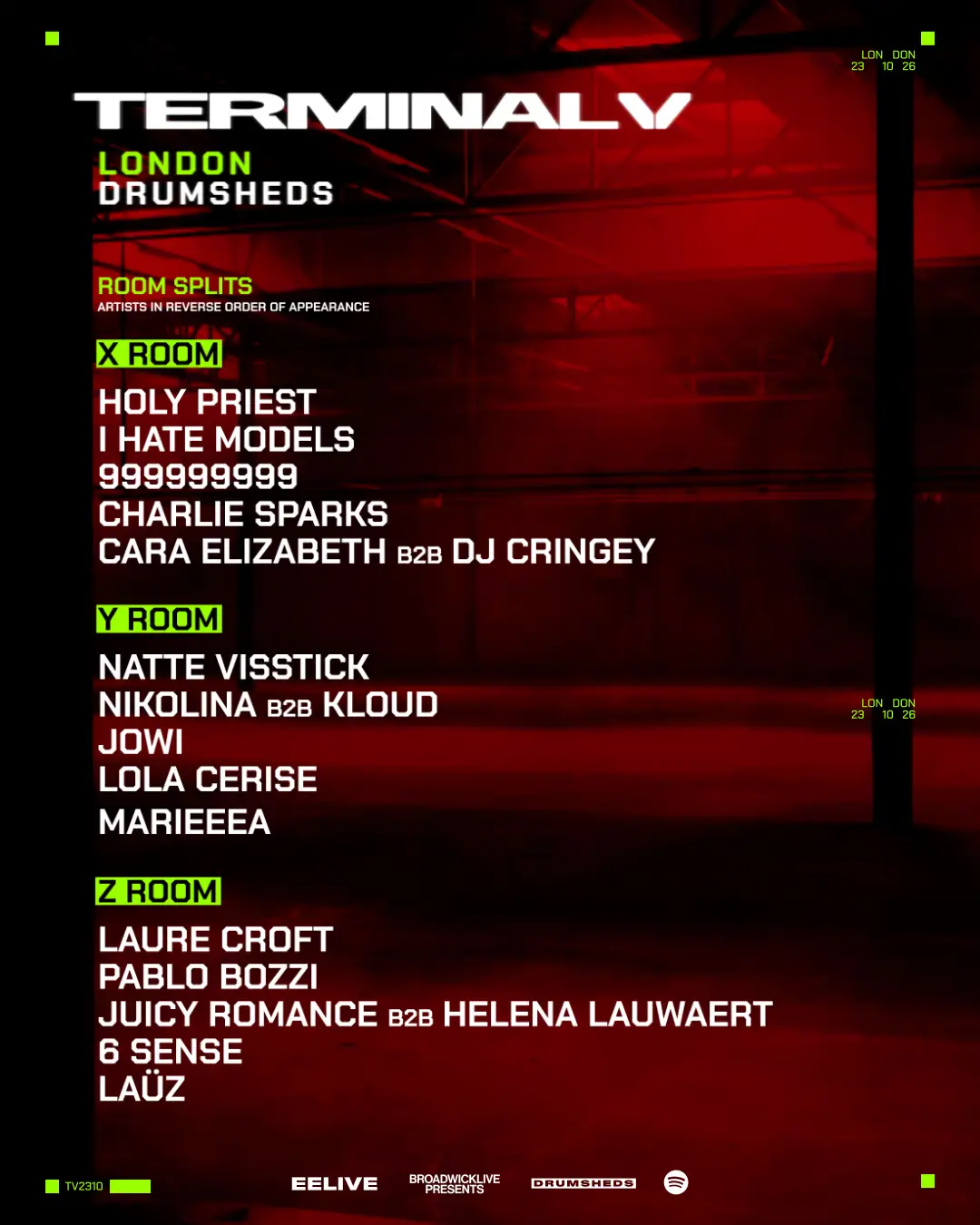
Scottish techno outfit Terminal V is back at Drumsheds this week, I've been trying to prioritise smaller events, but Holy Priest and Charlie Sparks in one room sounds like a cracking night out.
Saturday has Shanti Celeste's birthday party, which is likely to be a laugh, but there's loads here. Also, the main newsletter was pretty grumpy so I'm trying to bring the tone up with some optimism before I just try using a few smileys to seem more cheerful than I am.
:):):)
Friday
- Terminal V London w/ I Hate Models, Charlie Sparks, 999999999 Drumsheds
- Ikonika - All Night Long Radial
- Origins: Hamish & Toby (All Night Long) Palais
Saturday
- Shanti Celeste's Birthday Party Koko
- Mr. Scruff (All Day Long) Phonox
- BHAN × LAB.CLUB Lab.Club
Sunday
- Batty Bass Timber Loft
What else?
- Hackney is getting a new venue, Club Empire, which will take over Hackney Empire on Friday and Saturday nights. It's launching in November.
- A petition has been launched to save Hackney record store and venue BBE from having to close after noise complaints,
- Andy Burnham has come out against people listening to music without headphones on public transport. This doesn't feel enforceable, but I'm sure looking forward to not having to listen to people watching Instagram reels.
Member discussion