The algorithm is boring
Hello! First up, in an effort not to be beholden to the algorithm gods, FrontLeft now has a WhatsApp community, which you can join by clicking here. Inside there's a chat if you want to chat to other FrontLeft readers, plus an Announcements channel where our Michael will post whenever a new newsletter goes live.
I like our Instagram, but we're ultimately at the mercy of whether Meta decides to show people our weekly posts. That seems to depend on a million different things, but mostly whether people are resharing or interacting with them. We've been lucky, and honestly a bit blown away, by the support people have shown us so far, but we wanted to make a friendly place for people to keep up with what we're doing. If you are a paid subscriber, there's even a special channel, although it's pretty quiet at the moment, and every time you say anything, we'll just thank you for your support.

During my day job, I often have to travel internationally for work. When I'm away, I'll try to find decent nights to go to, but when work is busy I often spend the time sprawled in a hotel bed or walking around a city looking for new music to listen to. That's hard to do when all the content I find, from SoundCloud, Beatport, and Instagram, is filtered through an algorithm before it gets to you.
Usually, I find music by listening to sets by other DJs, because I've desperately Shazamed a track at 4AM or because someone's enthusing about it, or I've wandered into the wrong party in Bologna. Finding out what you're into is supposed to be a series of happy accidents. Relying on Spotify to find your music often leads to a deeply personalised amount of slop dripfeeding you music almost exactly the same as what you already like.
Culture gets interesting again the moment you step outside your feed. Here's Martina to tell you more.
Human curation vs The Algorithm
Written by Martina Mozzone
This past week, I’ve been listening and thinking a lot about this topic. Whether you’re a selector, DJ, audiophile or dancer, you’ll know first-hand how challenging and absolutely thrilling it is to find a new track or set that transports you somewhere else, makes you feel something you didn’t know you could or just helps you to lock in and get that admin done for the day. But how do you find those sounds?
Let’s set aside the record shops for now and focus on the digital space for a moment. We’re all (almost) always online. Checking the weather, Citymapper, scrolling endlessly through your inbox. Those tech companies know us better than we do. And they’re now shaping our music culture. So, is there a way to actually be involved and change it for the better?
A few weeks ago, a scandal broke in the industry. The indie band Geese flooded everyone’s For You page through a marketing tactic orchestrated by a company called Chaotic Good Projects (fake sentiment, manufactured virality and yes, also engineered discovery). It screams Cambridge Analytica to me. These tactics have been normalised without real fans even knowing. And it raised a harder question: if this is how discovery works now, what happens to the artists who don't have a marketing budget behind them?
Whether it’s Spotify, Instagram, TikTok, or Soundcloud, the algorithm is optimised for engagement. It serves you what it thinks you already like, which means it rarely surprises you. For electronic music specifically, a genre rooted in communities that were pushed to the margins of everyday society, who found liberation, freedom and joy through music and dancing, that's a particular kind of disrespect. The underground doesn't speak algorithm. It speaks of word of mouth and trust. And it carries those real human stories from one generation to the next.
What does human curation look like now? It’s the friend who sends you a link at midnight. First on Instagram DMs, then back to WhatsApp. It's the DJ whose taste you trust enough to follow blindly into a genre you’ve never heard. It’s slower. And yes, maybe less efficient. But it’s infinitely better. The best discoveries feel like gifts because a real person thought you specifically needed to hear this.
So follow the humans, not just the feeds. Pay attention to where your best finds actually come from. Share what you find. And recommend things to people who didn’t ask. The algorithm gets stronger the more you use it. So does your circle.
Recommendations from Martina, not the algorithm
Album: Lateral - Mammo
I first about this via the Not A Tag podcast. Mammo are Half Dutch, half Italian. I heard of them before. One track later, and I was completely hooked. A bit ambient. A bit electro. Then dub techno. I can only describe it as sublime. Perfect for that 1-hour deep meditation or to soundtrack your admin work.
Single: Drift - Batu & Donato Dozzy
Two of my favourite DJs ever. This single gave me everything I needed to feel, if not more. I'm already counting down to the full album release at the end of next month.
EP: Hayes Collective
This one started at Outra Cena in Lisbon. Found Cravo and Ennio at their own party Summa after they’d played Basilar the weekend before. Got deeper into the collective from there. Temudo and Norbak were on my list before they ever came to London. Caught them live. Now this EP, which has confirmed everything I already felt about them. Alarico, Benk Klock and Tootbris all want to see them at Upclose. That’s not the algorithm talking. The real humans have spoken.
Set: Kia - Waking Life 2025
I was sent this by a friend who wanted me to join her at Palais last weekend. She’s touring Europe now, and I’m not missing her. Catch her at Venue M.O.T. or at Transmissions before she heads back to Melbourne.
The Mix
This week's mix is from our In The Booth guest ftronic. In his own words, here's what to expect.
I’ve been re-watching the first season of Sex In the City and my friend recently sent me a film care package when I was down with flu- including the 1995 film Party Girl, where Parker Posey is a club kid turned public librarian. So, this mix is a homage to 90s house- a golden era for dance music. DJs should be historians as well as curators- and this mix connects us to dancefloor moments across the US and UK as the new house sound was coming into its own.
It's a slice of chilled 90s house music. why don't you put it on while you read the newsletter? As ever, here's the mix on Soundcloud if you're reading by email.
In the Booth - ftronic
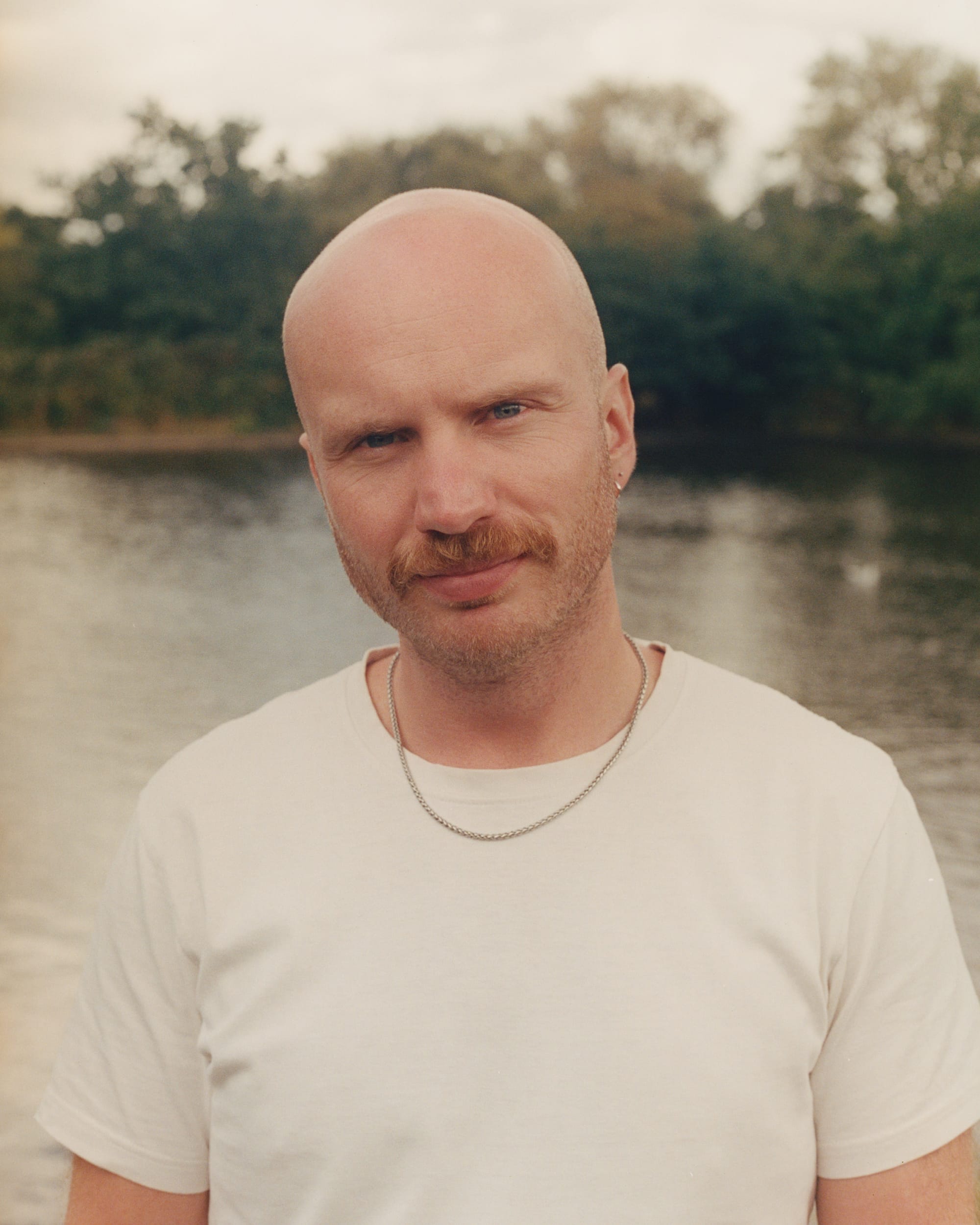
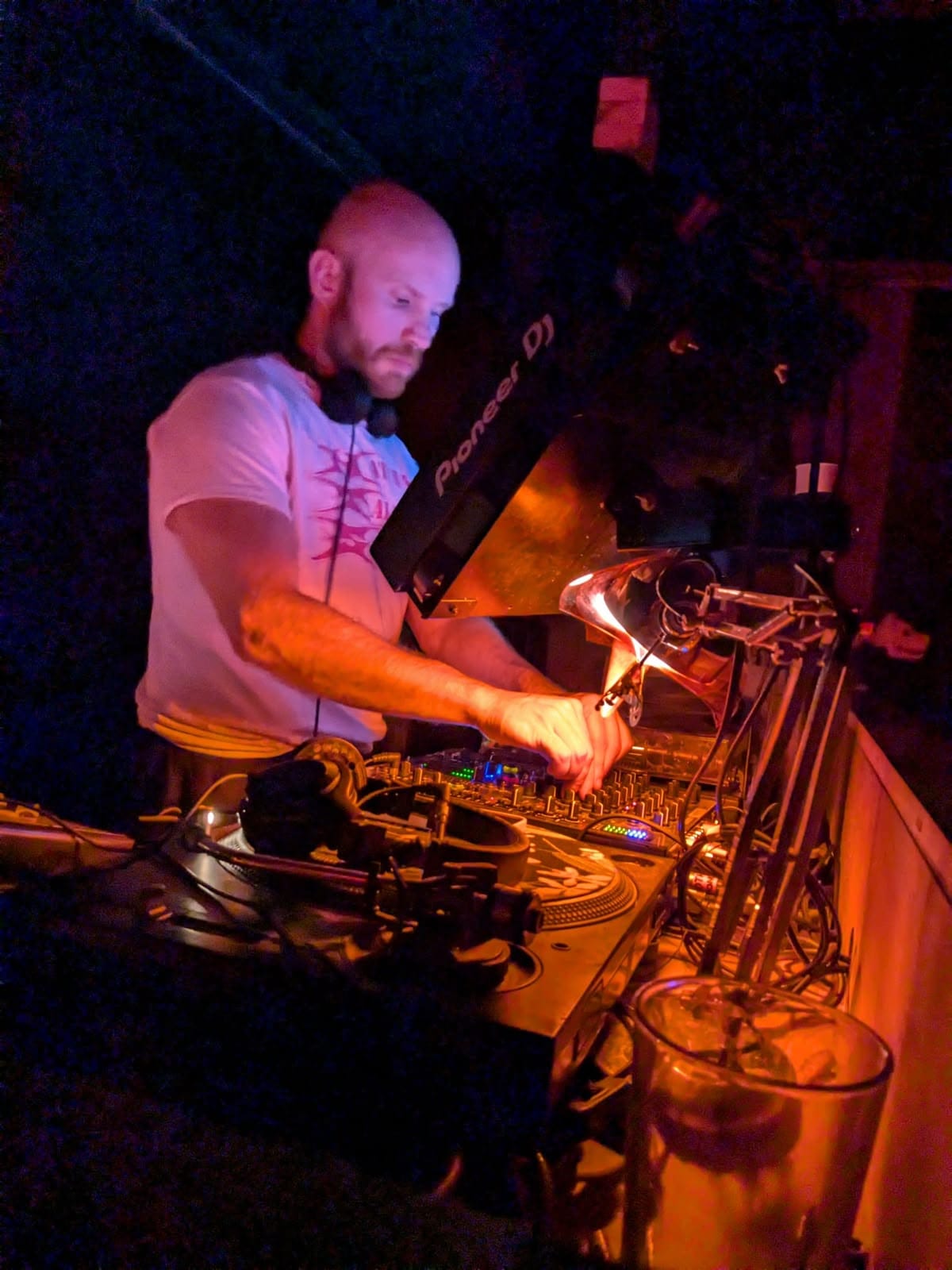
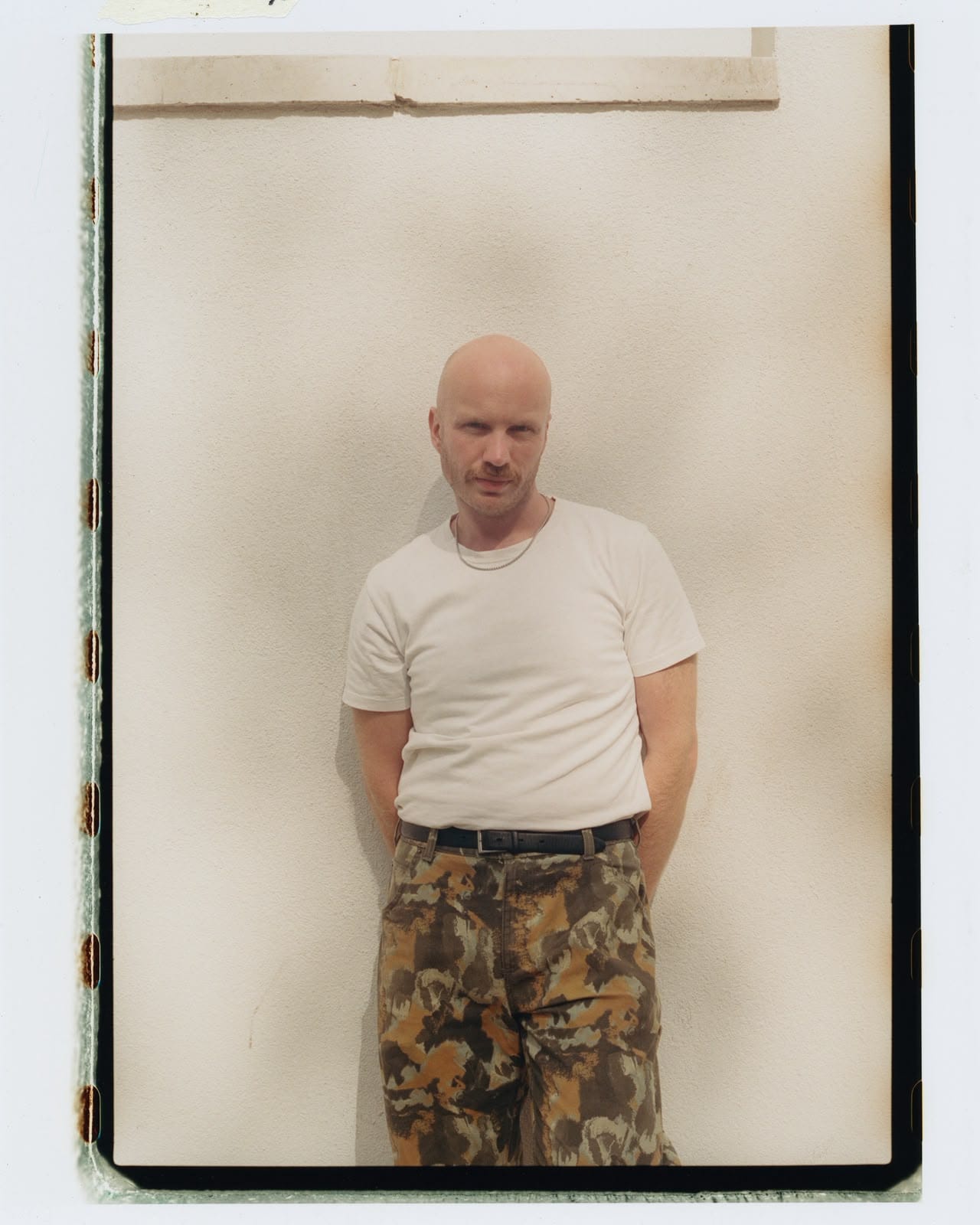
ftronic is part of a new wave of London queer DJs and promoters building club nights that feel less like brands and more like actual communities. Musically, he's prone to big shifts in energy, playing bouncy house sets that attract the curious and the devoted.
As the founder of The Blocks, he’s helped carve out a space for emerging queer talent to play alongside more established names, pulling together lineups that bounce between house, techno, trance, bass and whatever else makes sense in the moment.
The nights themselves feel very in step with where London nightlife is at right now. DIY in spirit but ambitious in execution, with a focus on accessibility, fundraising and creating dancefloors where people actually bond. The Blocks has quickly built a reputation as one of the city’s most exciting newer queer parties, and you can experience it for yourself on June 6, when the party returns.
What is your earliest memory of dance music?
I first properly got into electronic music in Sheffield at University, in post-industrial club spaces such as the (now gone) Hope Works and DLS.
Those were nights that seemed to last forever- there was the pres when someone would command the aux and put on the tracks they had on repeat, then the club seeing touring DJs or local legends such as Squarehead or Banana Hill, and then the wind down where we would listen to soft/ambient music.
I didn’t get into DJing until much later- but it was then I learned about the transformational power of the dancefloor.
What’s the first track that made you understand what a dancefloor could do?
I’m not sure about my first track- but a track I’ve fallen in love with again recently is Boddika & Joy Orbison- Mercy (Boddika’s VIP)
It’s typical of the tracks we were listening to a decade ago: influenced by Sheffield Bleep and Detroit Techno, pacey, yet only 125bpm. I distinctly remember Boddika dropping this at DQ in Sheffield and it going off. There’s no feeling in the world like a DJ dropping your favourite track in the club.
What do you notice from the booth that no one else sees?
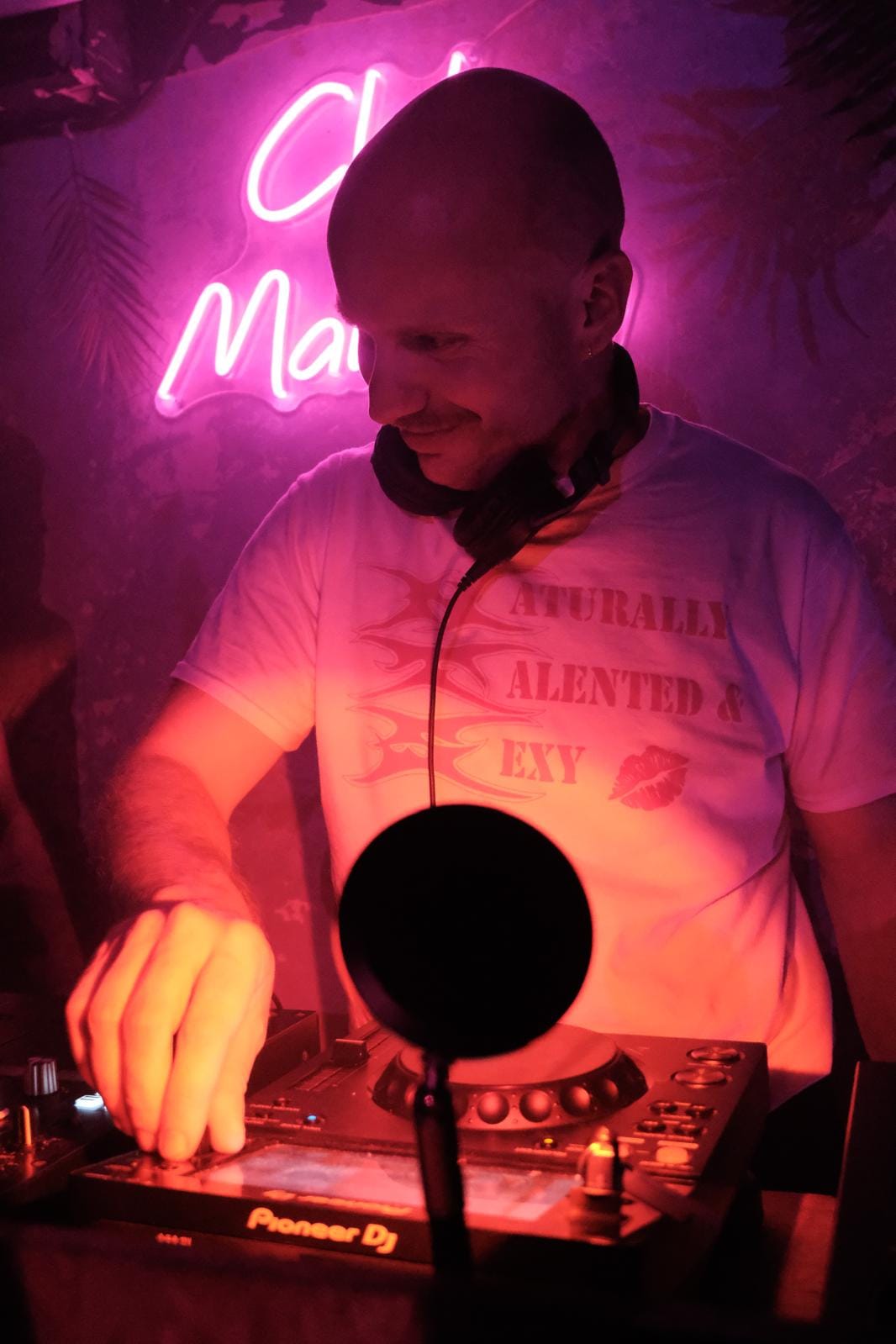
Some of my friends and mentors on the scene have taught me to use your eyes as much as your ears when DJing- really observing to see which tracks land and which don’t. I like to think I’m at the point where I can see the energy of the room and react accordingly.
When was the last time a crowd surprised you?
I went to support my friend Stanley’s night Rojak in Manchester in March, and honestly the crowd was perfect. The Rojak team have created such a beautiful party- queer, friendly and 100% there for the music.
What part of you only exists on a dancefloor?
The vibe of each dance floor is different- but I love a space like Fold where the lights are low, the sound is crisp and you can really lock in. For me it’s an escape from the social rules that govern everyday life- no yapping, no posturing, just getting lost in the dance.
What song do you keep in your back pocket to cause trouble?
It’s a hard one because I change up my sound quite a lot, but one I’m rolling out at the moment is Acid Vogue, a track PEDRØ introduced me to from an unknown artist in New York sampling Madonna’s seminal track in a techhouse roller. I love giving the crowd a bit of nostalgia and surprise within a set.
How do you describe your sound?
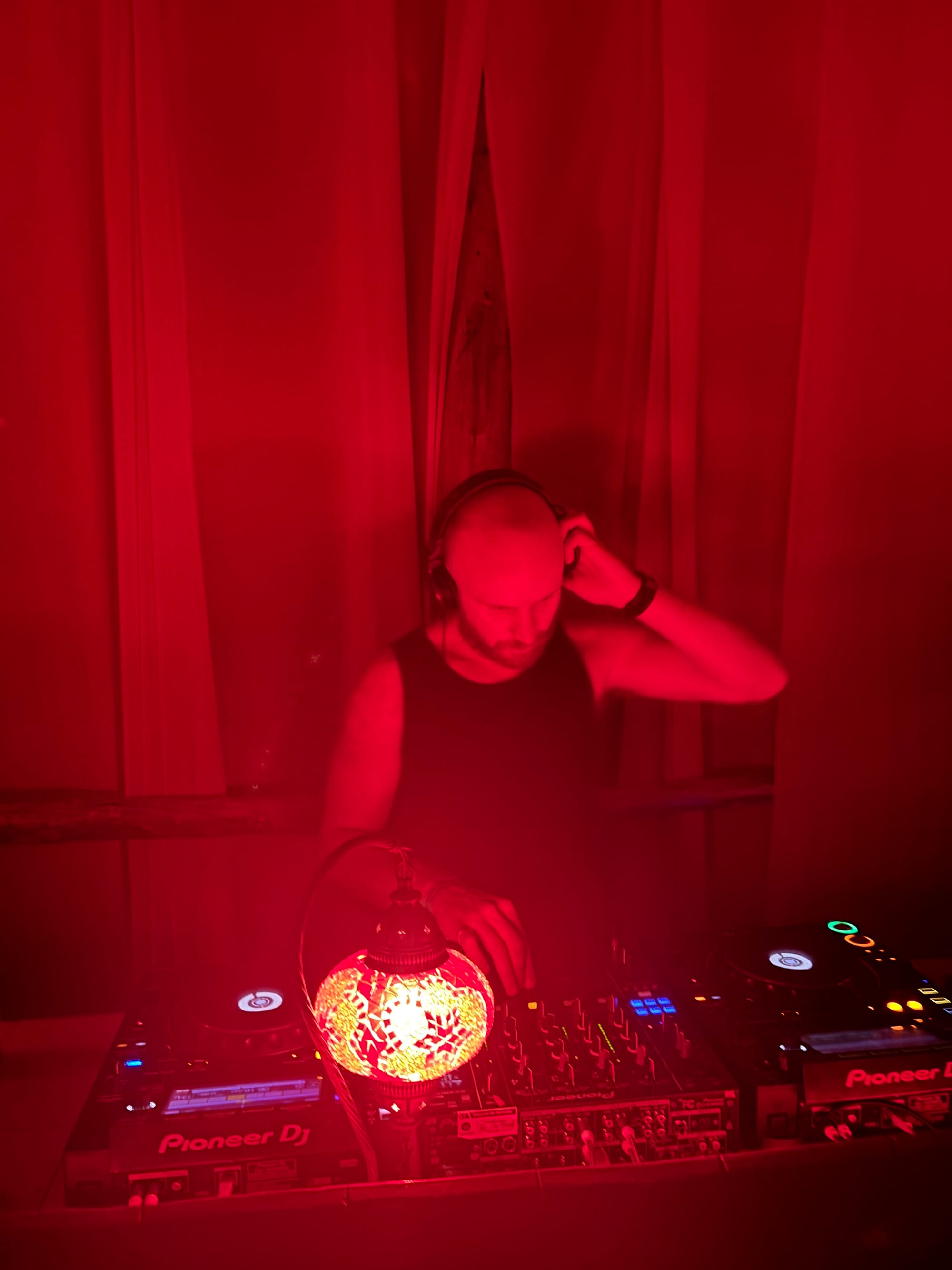
Honestly, I’m not too sure at this point- I would say I’m a house DJ at heart with a lot of variety and influences from techno and queer sounds like ballroom.
Who's your partner in crime?
PEDRØ of course- a fab DJ and partner behind the decks. He is a very technically good DJ- as has helped me improve my craft a lot. We’ve been lucky enough to share a lot of amazing experiences behind the decks together- and our festival debut at Multi Multi festival last year.
Why do you dance?
For freedom, release and community.
What gap did The Blocks fill that you weren’t seeing in London nightlife?
London has some of the best queer nights in the world, but can fall into the trap of booking the same artists each time and becoming ‘sceney’- just catering for a certain type of dancer.
With The Blocks, I wanted to showcase fresh, diverse and interesting talent within house and techno and always provide a slot for artists that don’t have a lot of club experience.
When you say “a party that champions queer talent” what does that mean in practice?
It’s tough out there for a new DJ, particularly in a city in London where there is a lot of competition for opportunities. I wanted to create space for newer talented queer DJs to get club experience, as well as create a supportive community around love of electronic music.
How do you protect a space like The Blocks from drifting into something more generic as it grows?
By keeping rooted in our values and curating a community that reflects that. I don’t see The Blocks becoming as commercially successful or popular as some other queer nights out there- but I hope we can keep the party a special place where queer talent can blossom.
How is London's scene different from the music scene in Sheffield?
Sheffield is a foundational place for electronic music in the UK but the scene felt very underground and DIY- you really had to be in the know and dig deep for the best parties. London on the other hand has a lot of variety and can feel overwhelming in terms of choice- even getting to all my friend’s parties over a weekend can be a challenge!
The Briefing
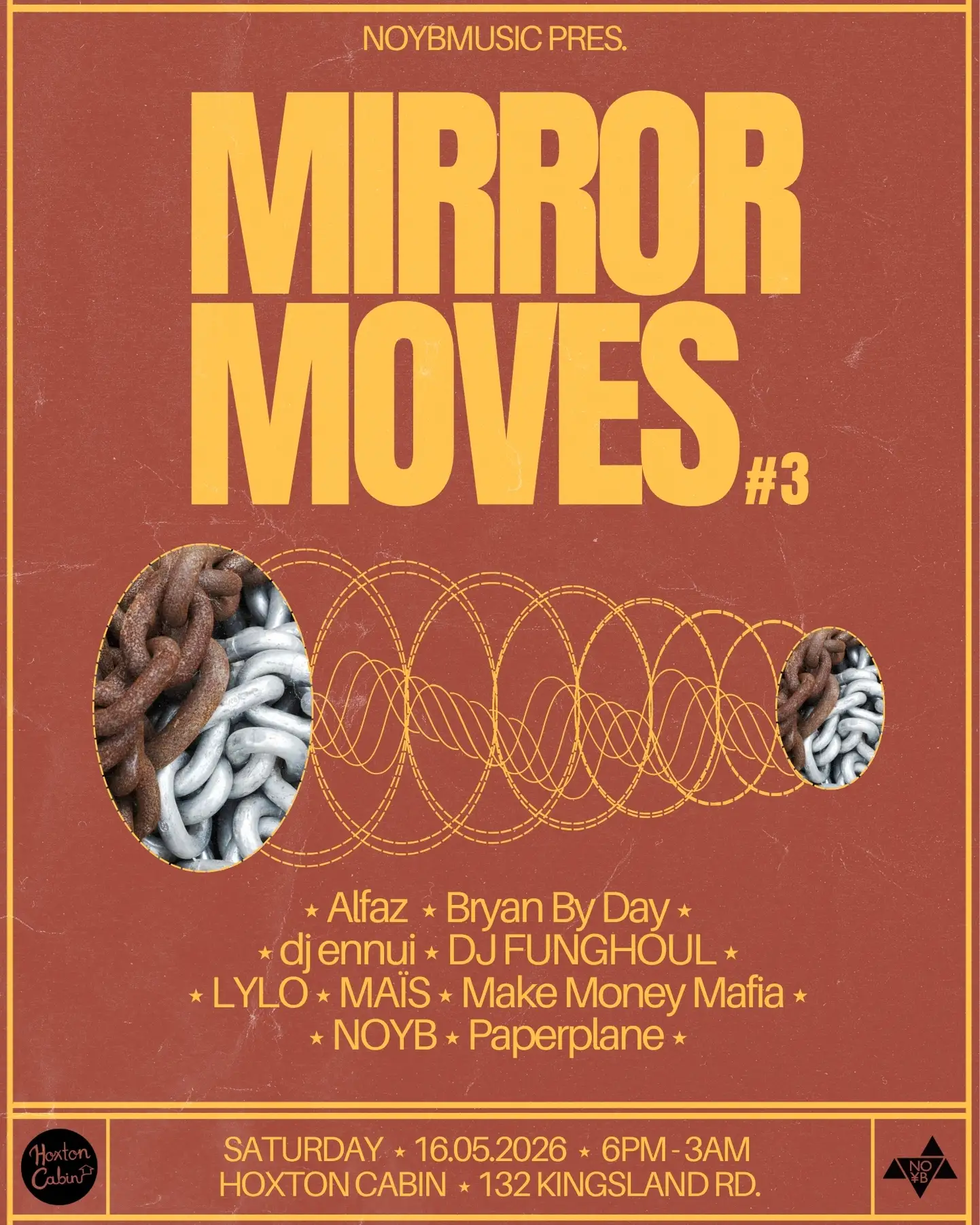
There are a lot of great small parties this weekend. Pick of the crop is probably Mirror Moves, where former In The Booth superstars MAÏS and Make Money Mafia. I'll be making Moves elsewhere, as I'm playing on Saturday night at Faded Community's third birthday, which is also founder Cat's 10th year in London. Tickets are free before 11pm, with £5 tickets to go towards Cat's immigration paperwork if you want to arrive after then. I'm playing from 1AM for 45 minutes of techno.
Friday, I'm going to see Chase and Status at Magazine. I don't like to spend a lot of money on tickets these days, a curse of going to so many events each weekend, but every time I've seen Chase and Status, they've been excellent, so I'm cautiously optimistic.
Friday
Katy B presents: Little Red Rave The Carpet Shop
Ellen Allien + Kessie Fold
Chase and Status: Section 63 Magazine
Polyamor: 2HOT2PLAY, Astrid Gnosis, Cleopard2000 & Mika Heggemann E1
Saturday
Mirror Moves #3 [PROMOTERS EDITION] Hoxton Cabin
The Faded Community 3rd BDAY Club Makossa
Monkey Project - Rodriguez Jr Koko
Sunday
Fossil Archive presents: Vinicius Honorio, R.M.K, Saroor The Glove That Fits
Heart2Heart: Hackney Half After Party Two More Years
Coming up
Mission London is hosting an event on May 22, coming together with Greek label B2 Recordings, so if you want to see Bengoa, Medlar, Arlyss, Pegasvs, Fannoire Ge playing in London, grab an early ticket. It's rare Mission London holds events, but when it happens it's usually a good time.
What Else?
- Waterworks Festival is leaving Gunnersbury Park for The Cause, and is abandoning its two day format to emerge as a beautiful 36-hour marathon butterfly. The team plans to return to Gunnersbury Park for 2027, but as this year was scuppered by planning permission, it's hard to say what's possible.
- There's a new Planetary Assault Systems album coming, the Techno legend's first release on Ostgut Ton since 2019. Listen to one of the new tracks, Retina Burn. It's good.
- London-based DJ Chris Stoker has died. No cause of death was confirmed. The DJ was booked to appear at both Multi-Multi and Love International this summer.
Member discussion