Is Drumsheds actually that bad?
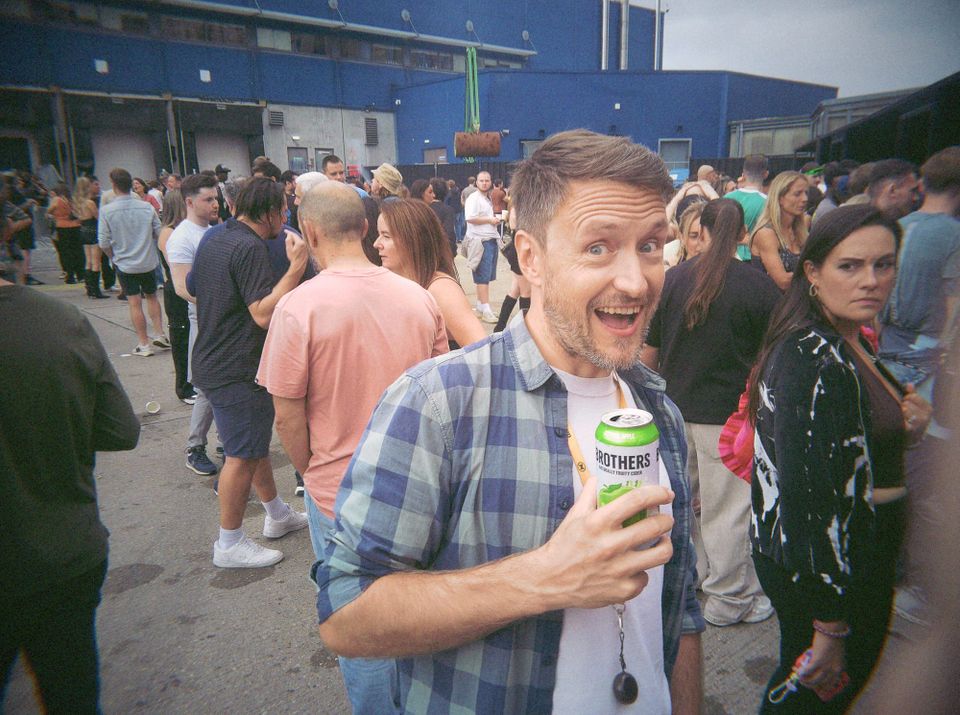
Last weekend ended up being a big one. I went via E1 to see Innerstice's B2B with Cast Lov and ended up staying until nearly 5 AM. Nothing wrong with a 5 AM finish or the double cheeseburger from McDonald's that accompanies every night I go to E1, but the eventual 7 AM bedtime did create problems when I had to leave the house for a wedding at 10 AM the next morning.
Somehow, the wedding also started with house music and ended up in riotous drum and bass before I eventually found my way to Village Underground, then Warm Up after meeting a friend who wanted to head that way to finish her night.
Village Underground fucked me off a little bit. And not just because they charged me a £10 late entry fee despite the fact I'd been in the queue before 11:45 on my very explicitly 'before 11:45' ticket.
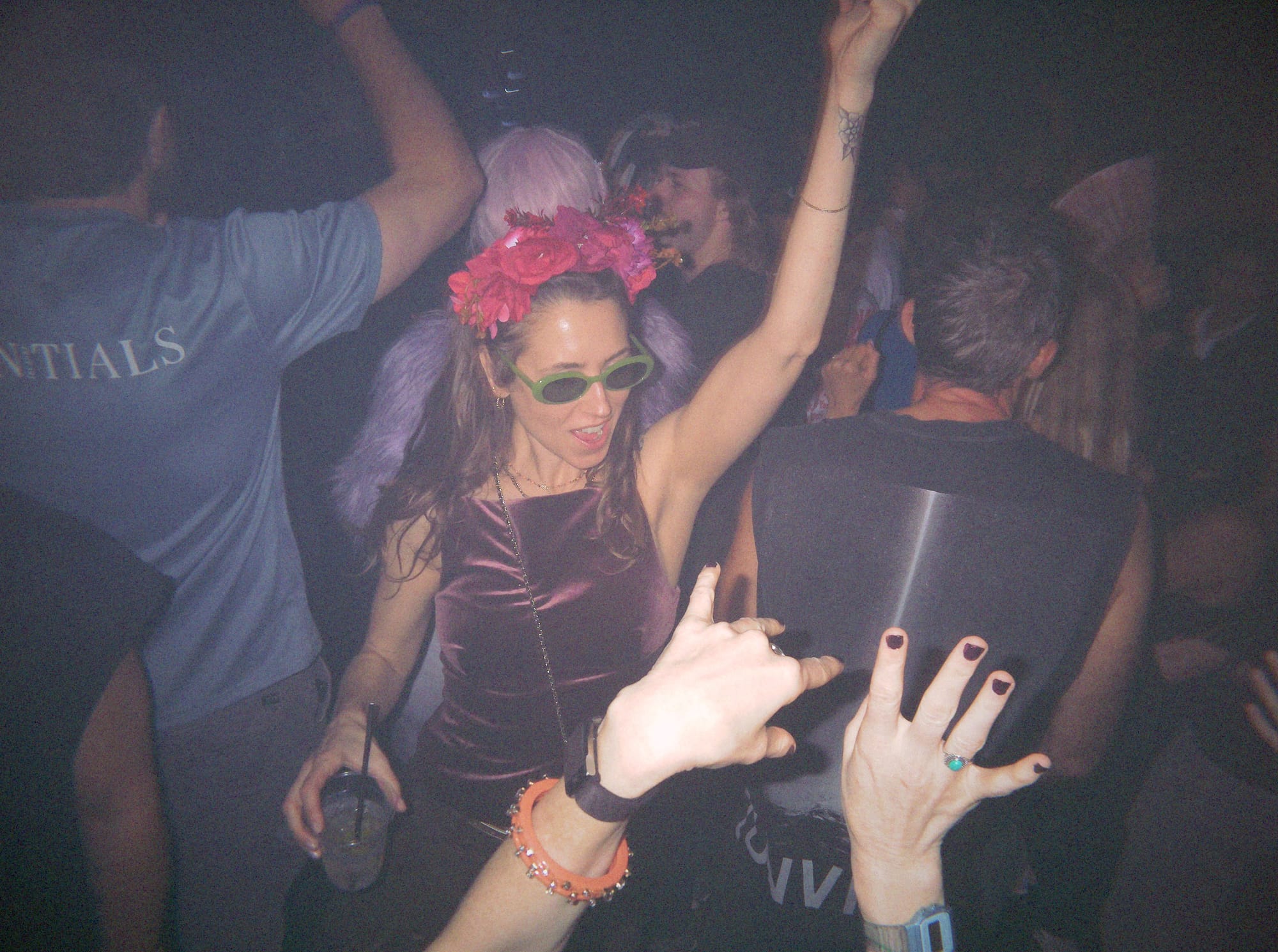
Not because of the music or the people, and probably not helped by the fact that I'd already been awake for most of the weekend. It was just relentlessly busy. There was nowhere to escape the crowd, no alternative space to catch your breath and no opportunity to change the atmosphere without leaving the venue altogether. There was a quiet room with some seats and a smoking area choked with people, but otherwise all there was was the main room. After a while, being on the dancefloor started to feel like hard work.
What's interesting is that E1 had been just as busy 24 hours earlier. Both venues were fairly close to capacity, but the experience of being in them was completely different. E1 had another room running alongside the main space, giving people somewhere else to go when they fancied a change of scenery. Village Underground didn't have that option.
It's made me realise how much we underestimate the value of having smaller rooms in clubs.
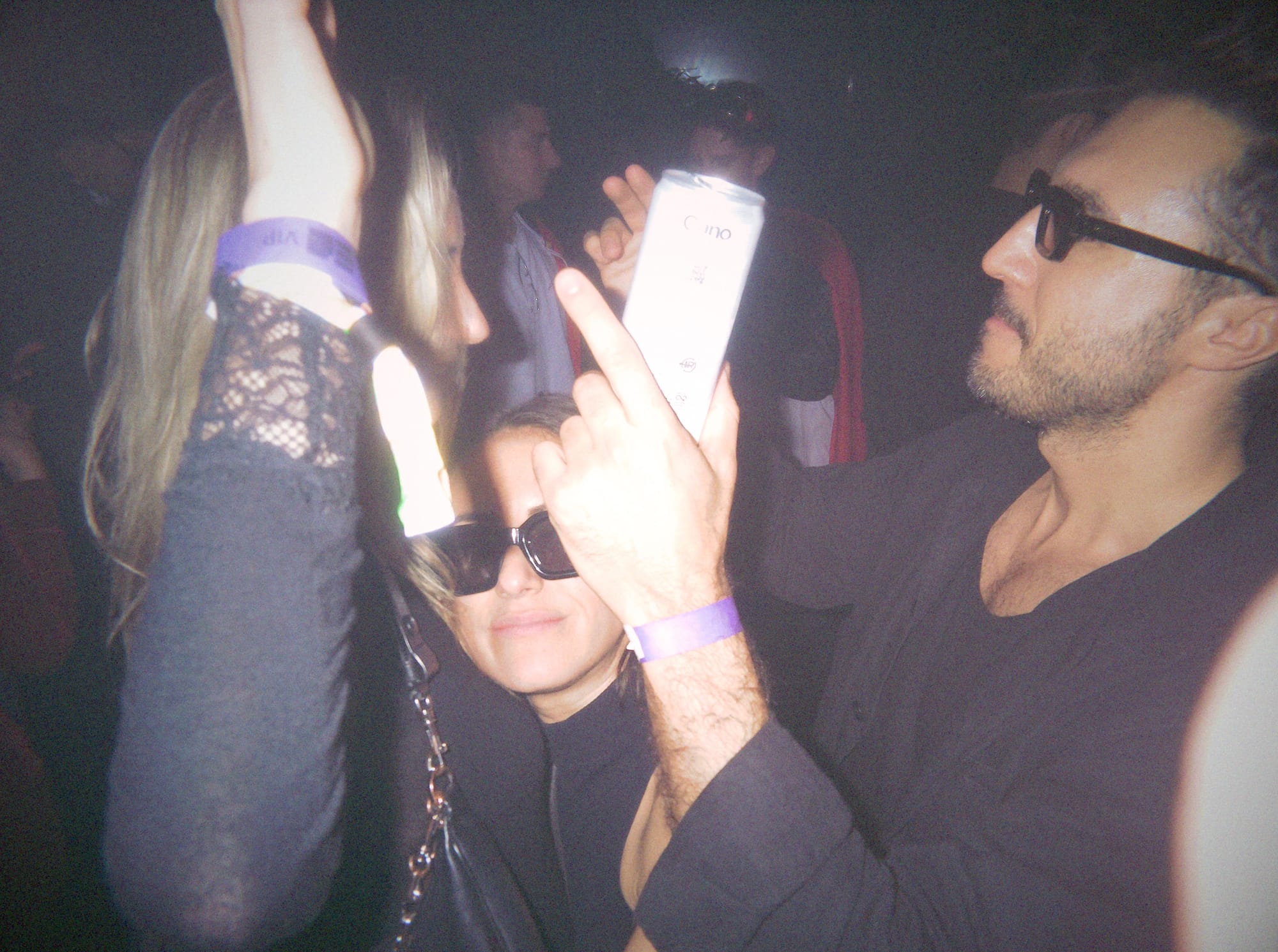
There's an understandable obsession with capacity in London's nightlife. Venues need to sell tickets, promoters need to cover their costs and, particularly with the financial pressures facing independent nightlife, every square metre needs to earn its keep. But there's a difference between cramming as many people as possible into a venue and making sure they actually enjoy being there. A second room doesn't necessarily mean fewer people through the door, but it can mean fewer people competing for the same bit of dancefloor.
A packed dancefloor can be brilliant. It's a real buzz to be surrounded by hundreds of people moving together, with the energy of a room building as the night progresses. But there's also a tipping point where that energy becomes something else entirely. When every available bit of floor space is occupied, getting from one side of the room to the other becomes an exercise in negotiation. Finding somewhere to stand with a drink is a challenge. Instead of dancing, you're reduced to that stupid shoulder shimmy every dancer does when they're constantly trying not to elbow the person next to them.
This is where a second room can make such a difference.
It doesn't need to be another headline space with an equally impressive sound system and a line-up full of established names. In fact, I think there's something to be said for the smaller room having a smaller name and a very different sound to the main room.
Because while nights have their own collective energy that can peak and crash throughout the evening, individual ravers have their own journeys, too. Someone who's taken psychedelics might find the main room overwhelming, while someone else might have spent the last three hours dancing to techno and fancy something with a bit more groove. Or maybe you're just not feeling the music in the main room and want to find somewhere that clicks with you.
The point is that everyone experiences a night differently, and having multiple rooms gives people the freedom to follow their own version of it. You don't have to enjoy every minute of the same DJ or spend the entire night in the same crowd to feel like you've had a good time.
You might spend three hours dancing in front of the headline DJ, wander into the other room for half an hour and discover someone you've never heard of playing exactly the sort of music you didn't know you needed. You might just fancy something a little less intense, somewhere you can actually move your arms without worrying about taking someone's eye out. Either way, you've got somewhere to go without having to abandon the night. This feels particularly relevant as the nights get colder and London's smoking areas become increasingly inhospitable places to spend any amount of time.
There's a social benefit to it, too. Some of the best conversations I've had on nights out have happened in smaller rooms, away from the main dancefloor. They're often where you bump into someone you haven't seen in months, get chatting to a stranger or discover a DJ you wouldn't ordinarily have gone out of your way to see. They can feel a little less intimidating, too. Not everyone wants to walk into a packed room and immediately feel like they're competing for space. That lack of space changes the way people behave, too. It felt like everyone was fighting for whatever little bit of room they could find, rather than actually enjoying being part of the same party.
More than anything, though, smaller rooms give a club a bit of flexibility. A night doesn't have to build towards one big crescendo and stay there until closing time. You can move between different energies, find your own little corner of the venue and decide what sort of night you want to have. That's part of the fun of clubbing in the first place.
Of course, not every venue has the space or the money to run multiple rooms. Village Underground is a good example of somewhere that can be a brilliant dancefloor when the crowd is right and there's enough room to move. Its single-room setup isn't inherently a problem. But when it gets busy, there's very little opportunity for the experience to change. You're either enjoying the main room or you're trying to find a way to escape it.
A second room shouldn't just be seen as an opportunity to squeeze another DJ into the running order or sell more tickets. It's another way of looking after the people who've already paid to be there.
London doesn't necessarily need bigger clubs or more people crammed into the ones we've got. Sometimes it just needs a few more places where you can go when the main room gets a bit much.
I spent most of Friday night happily bouncing between two rooms at E1. At Village Underground, I was wishing I had the option to do the same.
The Mix
I'm chucking one of my own mixes in here because I had a mess around with something proggy. As a result, I can't tell you it's good, but I sure enjoyed it. Why not have a listen? If you're reading in the email, click this big link.
Love it or hate it, we need to talk about Drumsheds
Few things are guaranteed to get a reaction from London's clubbing community quite like mentioning Drumsheds. For some, it's a welcome addition to a city that desperately needs big venues for electronic music. For others, it's everything that's wrong with modern clubbing: too big, too commercial, too expensive and seemingly more interested in putting on a spectacle than creating a proper dancefloor.
Having spent several nights dancing around the cavernous superclub, I'm not convinced either side has got it quite right.
Drumsheds is a difficult venue to love. Housed in a former IKEA in Tottenham, it's an enormous industrial space that can accommodate up to 15,000 people. That's a lot of people to squeeze into one building, particularly when you're trying to create an atmosphere that feels remotely intimate. You could probably fit several of London's smaller clubs into its main room and still have space left over for a little stand selling Swedish meatballs and those little bags of Daim bars that the venue sold back when it was just a furniture store.
But perhaps that's the point. Drumsheds isn't trying to be a sweaty basement club. It's trying to do something on an entirely different scale, and there's something quite exciting about that.
London's nightlife has spent years losing venues, with rising rents, redevelopment and increasingly difficult economics making it harder for independent spaces to survive. Against that backdrop, having somewhere capable of bringing together thousands of people for electronic music shouldn't automatically be dismissed. There's a place for big events in the city's nightlife ecosystem, particularly when the alternative is having those events disappear altogether.
And when Drumsheds gets it right, it can be a genuinely brilliant night out.
The scale is an obvious selling point. There are few places in London that can accommodate the lineups Drumsheds attracts, or deliver the kind of production that comes with putting 15,000 people in one place. The lighting rigs, screens and sheer volume of people can create moments that smaller venues simply can't replicate. Seeing thousands of people moving together to a familiar record is a different sort of pleasure to finding yourself locked into a DJ set in a room with 300 people.
I don't think either is inherently better than the other. They're just different experiences.
The programming deserves particular credit. Drumsheds has attracted some serious names across house, techno, disco and bass music, giving people opportunities to see artists who might otherwise only be spotted playing festival stages or enormous arenas. Its multi-room format can also make for a varied day, allowing you to move between different sounds without having to leave the building.
But big bookings and an impressive light show don't necessarily make a good club night.
For all its ambition, Drumsheds can sometimes feel like an enormous events space that happens to have DJs playing in it. It's hard to escape the fact that you're dancing in a former IKEA. The basement toilets are portaloos in an old car park, with a horde of people trying to squeeze into them.
The sound can also struggle to fill a room of this size, while the main space is so vast that it can be difficult to feel connected to what's happening at the front. Depending on where you're standing, the dancefloor can feel less like a collective experience and more like watching a performance from somewhere near the back of a festival crowd.
That's not necessarily a criticism of the people attending. It's just difficult to manufacture intimacy when you're dealing with thousands of people in an industrial warehouse. Smaller rooms naturally encourage interaction. You bump into the same people, recognise familiar faces and gradually become part of the atmosphere. At Drumsheds, it's much easier to disappear into the crowd. Unfortunately, you may well stay lost: phone signal is spotty, and the chance of running into your friends by accident is tiny.
The same goes for the practicalities. Getting around a venue of this size isn't always particularly enjoyable. Walking between rooms, finding your friends, getting a drink and navigating the various bottlenecks can all become part of the experience. Except they're not necessarily the bits you bought a ticket for.
And then there's the journey home. Meridian Water isn't exactly the most convenient destination for everyone in London, particularly when thousands of people are trying to leave at the same time. You can have the best set of your life and still find yourself questioning every decision you've ever made while waiting to get home. I live 30 minutes away from Drumsheds, technically, but somehow it still takes hours.

Of course, the venue's problems haven't always been limited to minor inconveniences. The events of December 2024, particularly the widely criticised UKF15 event, raised serious questions about crowd management, security and safety. I was there and had to sit outside in the rain for two hours just to get in the venue, only to find it was overcrowded and getting in to actually see Nero and Pendulum involved equal parts praying and clutching onto your friends. The venue subsequently faced a licensing review following two drug-related deaths and a knife-related assault linked to the site.
Those aren't the sort of complaints that can be brushed aside as people being precious about their clubbing experience. If you're asking people to spend their money and trust you with their safety, getting the basics right is non-negotiable.
Drumsheds has since made changes to its queuing systems, security arrangements, facilities and sound, taking feedback from attendees into account. That's welcome, although the real test is whether those improvements consistently translate into better experiences on the ground.
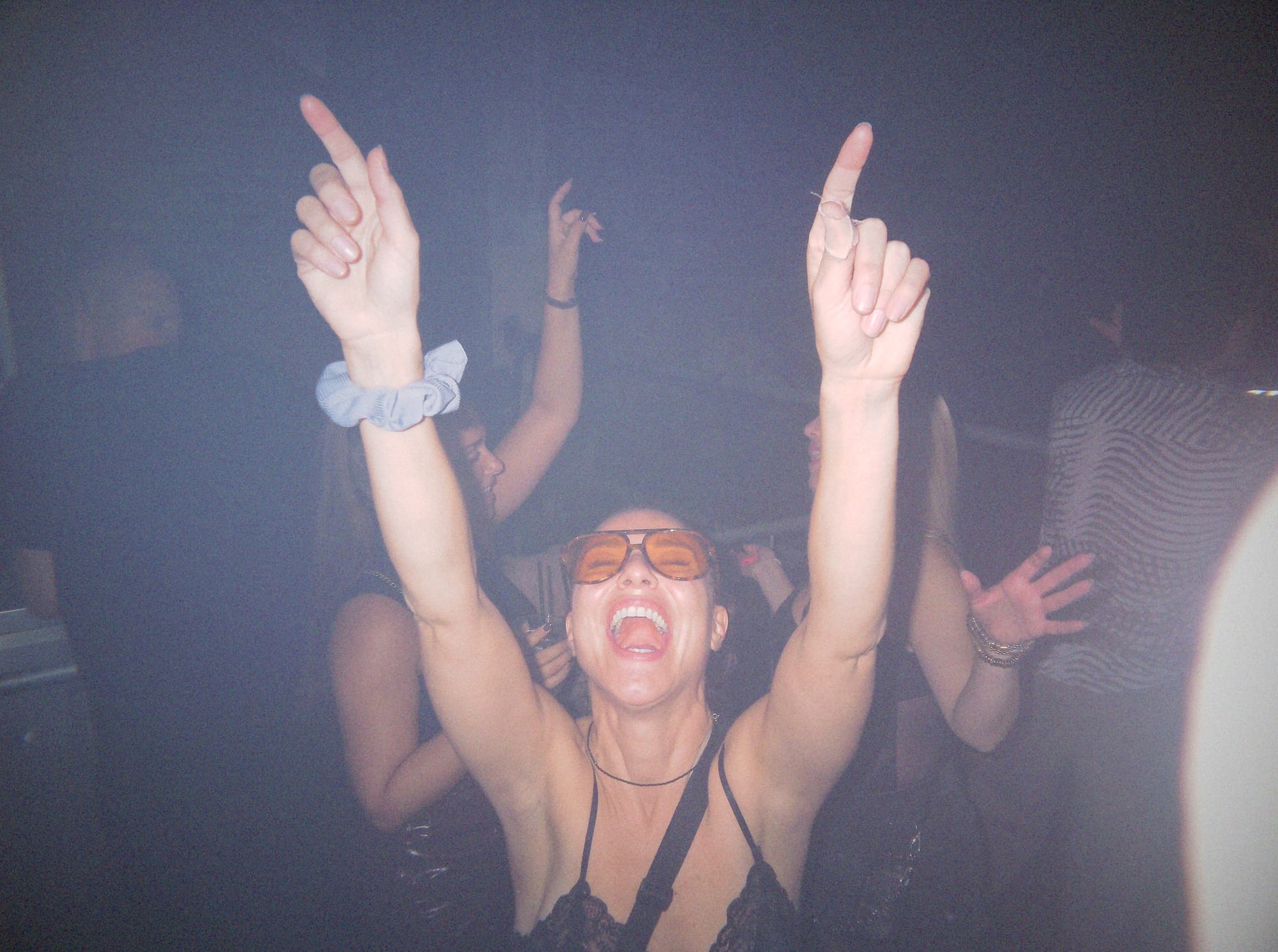
There's also something else going on here. I wonder whether some of the criticism Drumsheds attracts is less about the venue itself and more about what we think clubbing should be.
We sometimes talk about clubbing as though there's one correct way to do it. The best nights are underground, the best DJs are playing in small rooms, and the best dancefloors are the ones where nobody knows what time it is. There's a romanticism attached to that experience, and rightly so. I'll happily admit that this is how I prefer to go dancing.
However, not everyone wants that.
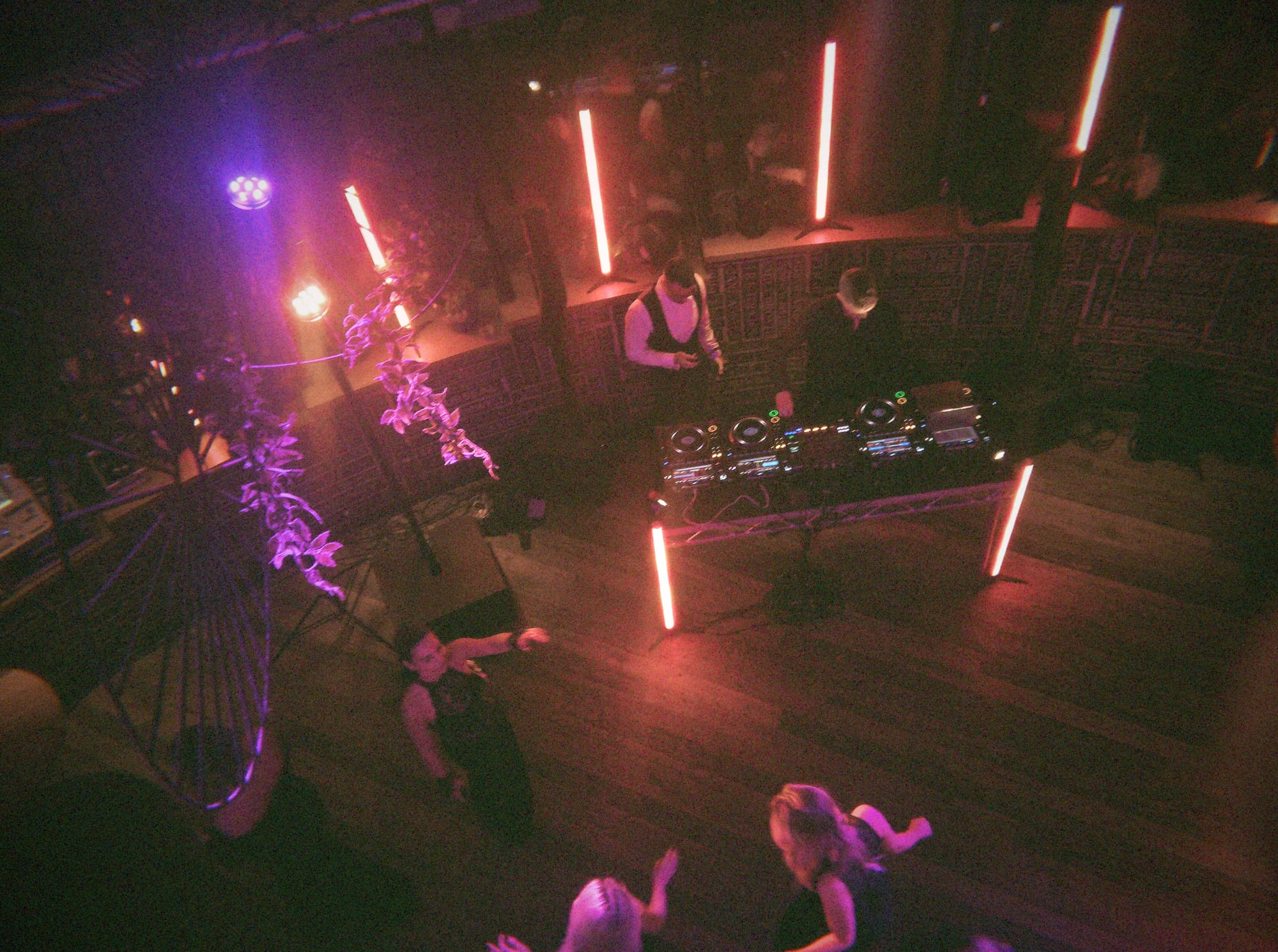
Some people want to spend a Saturday afternoon dancing with their mates, seeing a DJ they've loved for years and enjoying a production that makes them feel like they've stepped into another world. They don't necessarily care about discovering an obscure selector or finding a new favourite underground promoter. They just want a brilliant day out with good music. Some people don't do this every weekend. They just want to get the train into London, have a dance with their mates and enjoy a few hours away from normal life.
There's nothing wrong with that, either.
Treating large-scale events as though they're somehow less legitimate than underground clubbing is counterproductive. The two can coexist. A healthy nightlife scene should have room for intimate independent parties, established institutions, grassroots promoters and enormous events that bring thousands of people together.
The question isn't whether Drumsheds is underground enough. It's whether it delivers on its promise. And I think the answer depends quite heavily on what you're going there for.
If you're expecting the intimacy of Fold, the sound of a carefully curated basement party or the feeling of stumbling across a DJ you've never heard before, you're probably going to be disappointed. Drumsheds isn't designed to offer those things. But if you're going to see a big-name DJ, enjoy some ridiculous production and spend an afternoon dancing with thousands of other people, it can be a fantastic experience.
I'd also argue that the responsibility for making a night enjoyable doesn't sit entirely with the venue. The crowd matters. The people you go with matter. The energy on the dancefloor matters. You can have an incredible time in an imperfect room, just as you can have a miserable time in a venue that's universally loved.
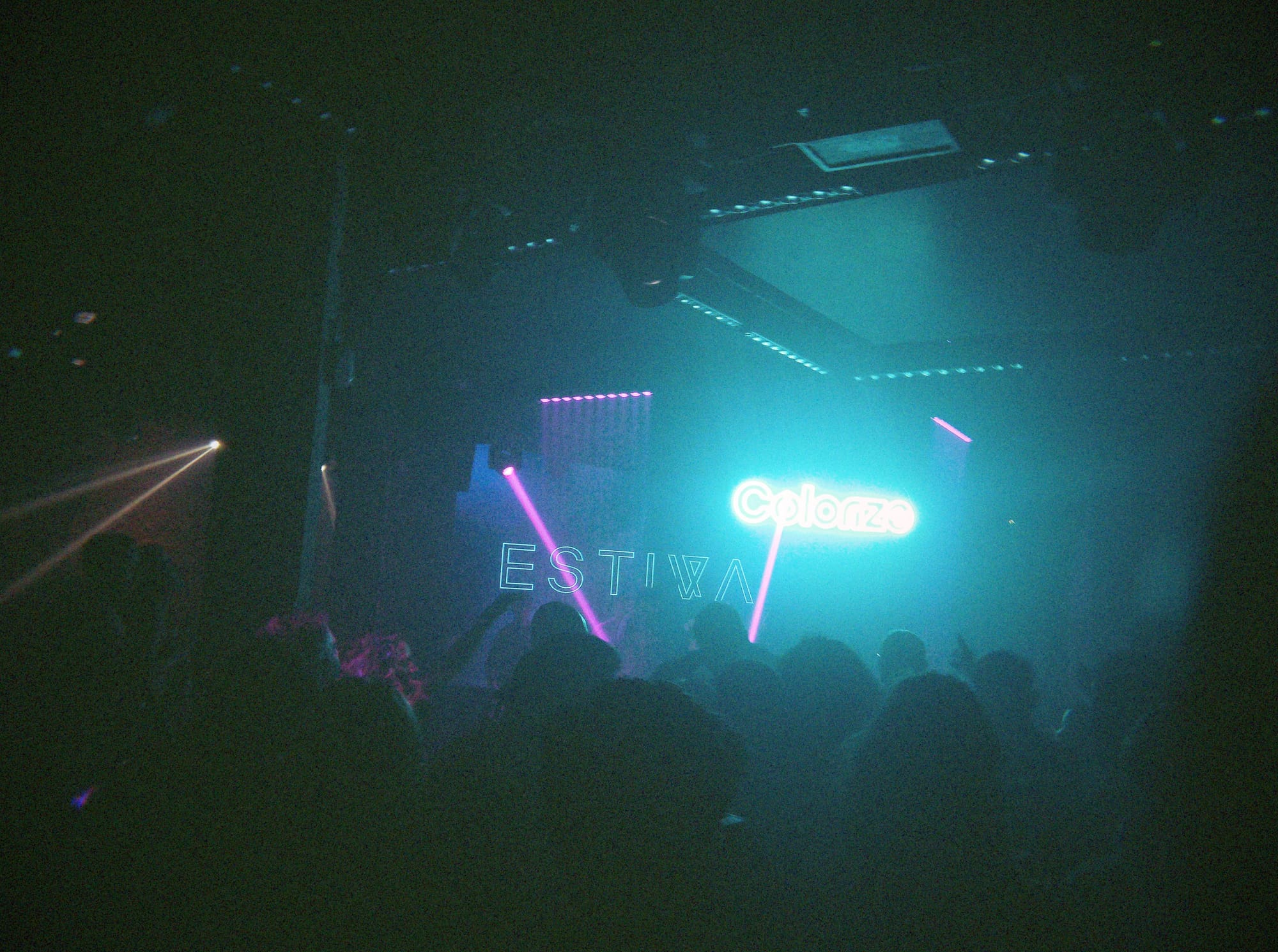
That doesn't excuse poor sound, bad organisation or unsafe conditions. It just means we shouldn't confuse the quality of a venue with the quality of every night that happens inside it.
Ultimately, I don't think Drumsheds is bad. It's big, busy, unwieldy and catering to a side of London clubbing that isn't really my thing. But that's okay. It isn't going to replace London's smaller clubs, and it shouldn't try to.
What I'd like to see is Drumsheds becoming better at being Drumsheds. A venue that understands its scale, looks after the people coming through its doors and puts on events that make the most of its enormous space without forgetting that the people inside it are there for the music.
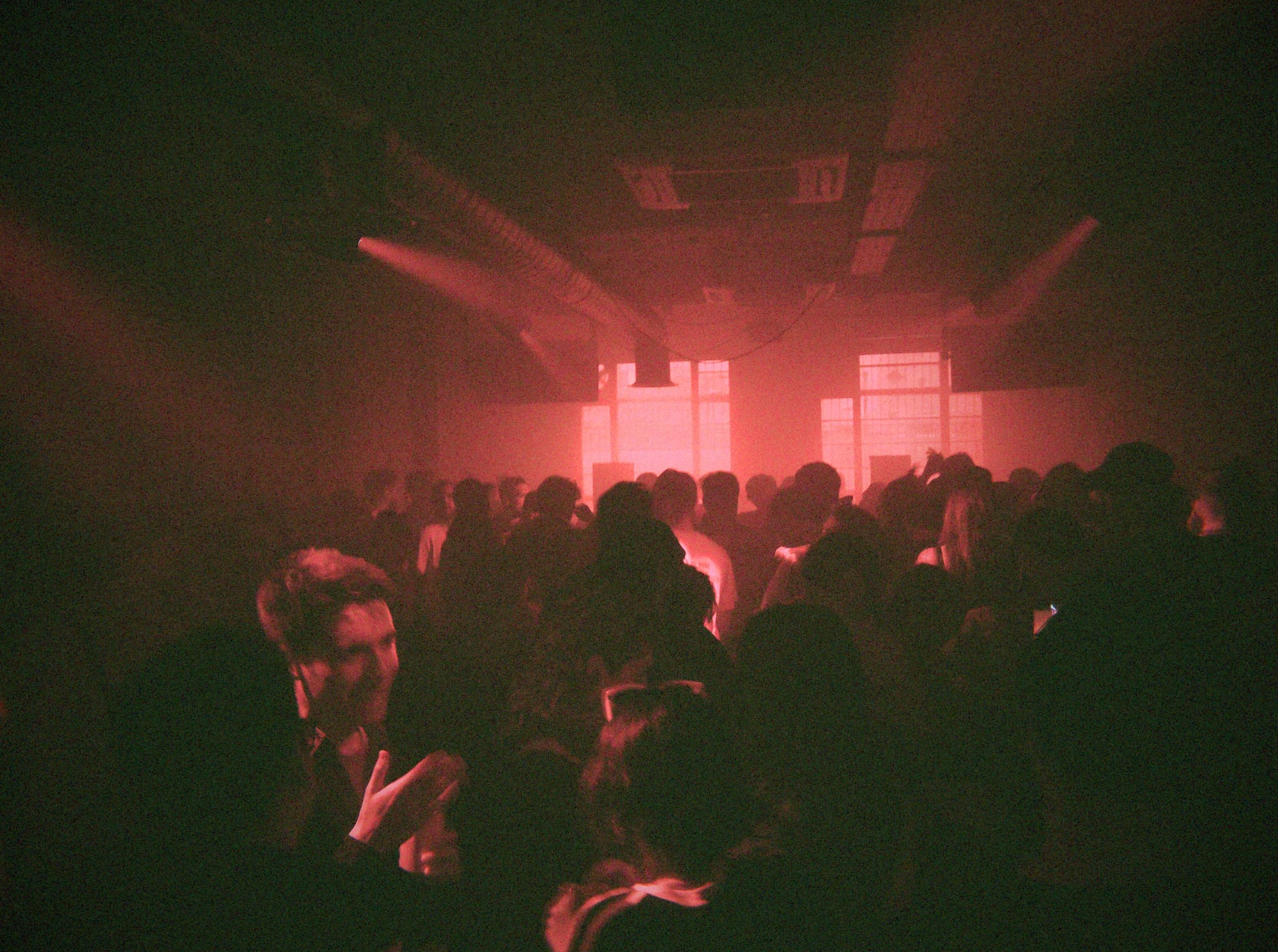
Because that's the thing about clubbing. You can spend millions on lighting, build the biggest room in the country and book every DJ worth their salt. But none of that matters if the people on the dancefloor aren't having a good time.
And if you can get 15,000 people dancing together, rather than simply standing in the same enormous room, you're probably doing something right.
The Briefing
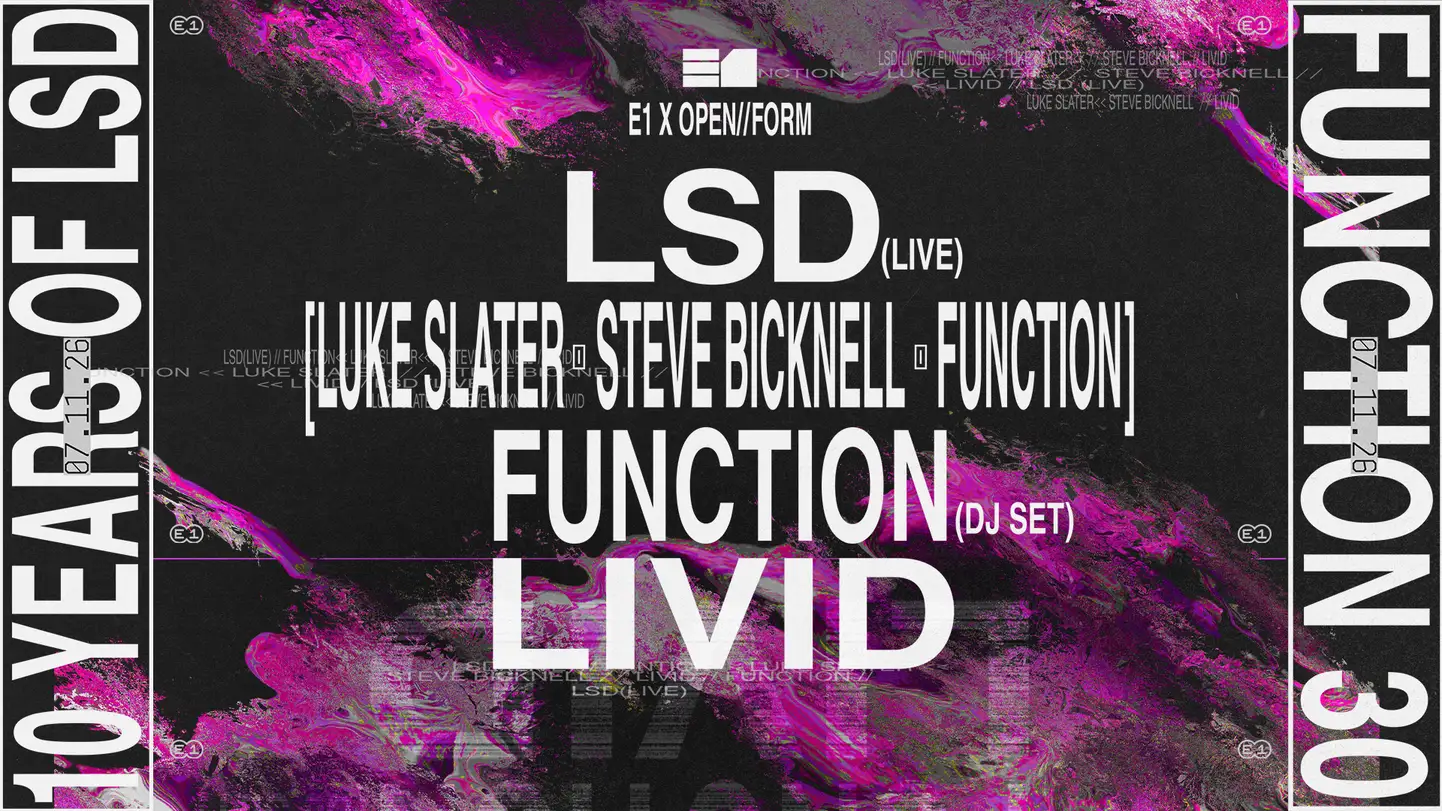
I'm on set this week and so surprisingly short on time. Apologies! Friday is Hoxton Cabal, which I've not managed to get to since the summer and I'm keen to enjoy. Saturday I'm at a party, but if I weren't I'd go to see LSD and Livid at E1, which is bound to be excellent.
It's a slightly quieter weekend, but there's still plenty of quality. Why not go out and discover something new?
Friday
- Hoxton Cabal: Darren Roach, Big Nick D, Harriet Gray (Vinyl Only) Hoxton Cabin
- BHAN for Palestine Eastway Baths
- Palais: Axel Boman & CC:DISCO Palais
Saturday
- upsammy, Hermeneia, Vanja Rakić, Olgica, ex.sses - Kantarion Sound & Nebo Arts Ormside Projects
- Function 30 × 10 Years of LSD E1
- IllumiNaughty: 20 Years Of Chaos, with Vini Vici & More Studio 338
Sunday
- Kings Turntable: Goochi [08.11.26] Kings Arms E2
What else?
- Techno pioneer Juan Atkins, widely recognised as one of the genre's founding figures, has died age 64
- One man has been arrested after a stabbing at Studio 338 in Greenwich on Friday night
- James Hype will attempt a 1,000-track DJ set in two hours using 16 CDJs in December 2026. That's a new song every seven seconds or so if you divide 1,000 tracks by the 120 minutes, which is existentially terrifying to me.
Member discussion