Innerstice is here to bring people together
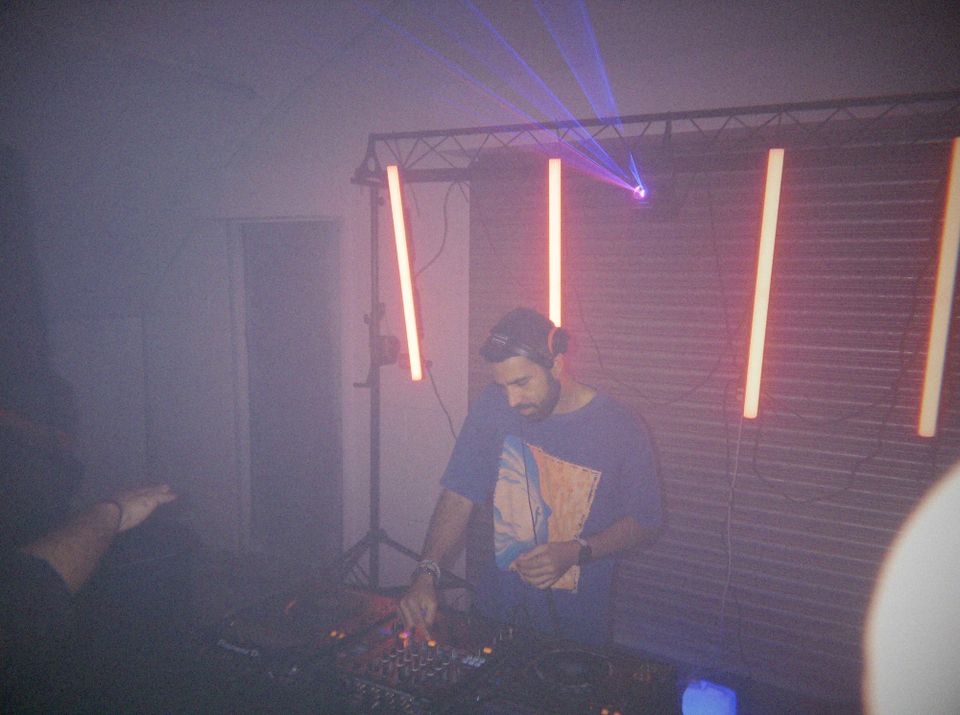
London's club scene is full of people you end up admiring almost by accident. They might be the DJ you've travelled across the city to see, the promoter who keeps putting on the parties you love, or the person who's been dancing next to you for six hours. Before long, some of them become your friends. And being friends with people you admire is a strange thing, somewhere between ordinary friendship and hero worship.
When I launched FrontLeft, I wanted to shine a spotlight on the people who make up this community. I started with In The Booth, a series of interviews with DJs from across London about what makes them tick. But trying to publish every fortnight made it difficult to get beyond the usual questions and build a proper picture of the people I was talking to.
It's hard to separate the people you admire from the people you know when they're often one and the same. These are the people you're out with every weekend, whether they're raving next to you, performing on stage, or making sure you and everyone else gets to the right place in time for the DJs you came to see.
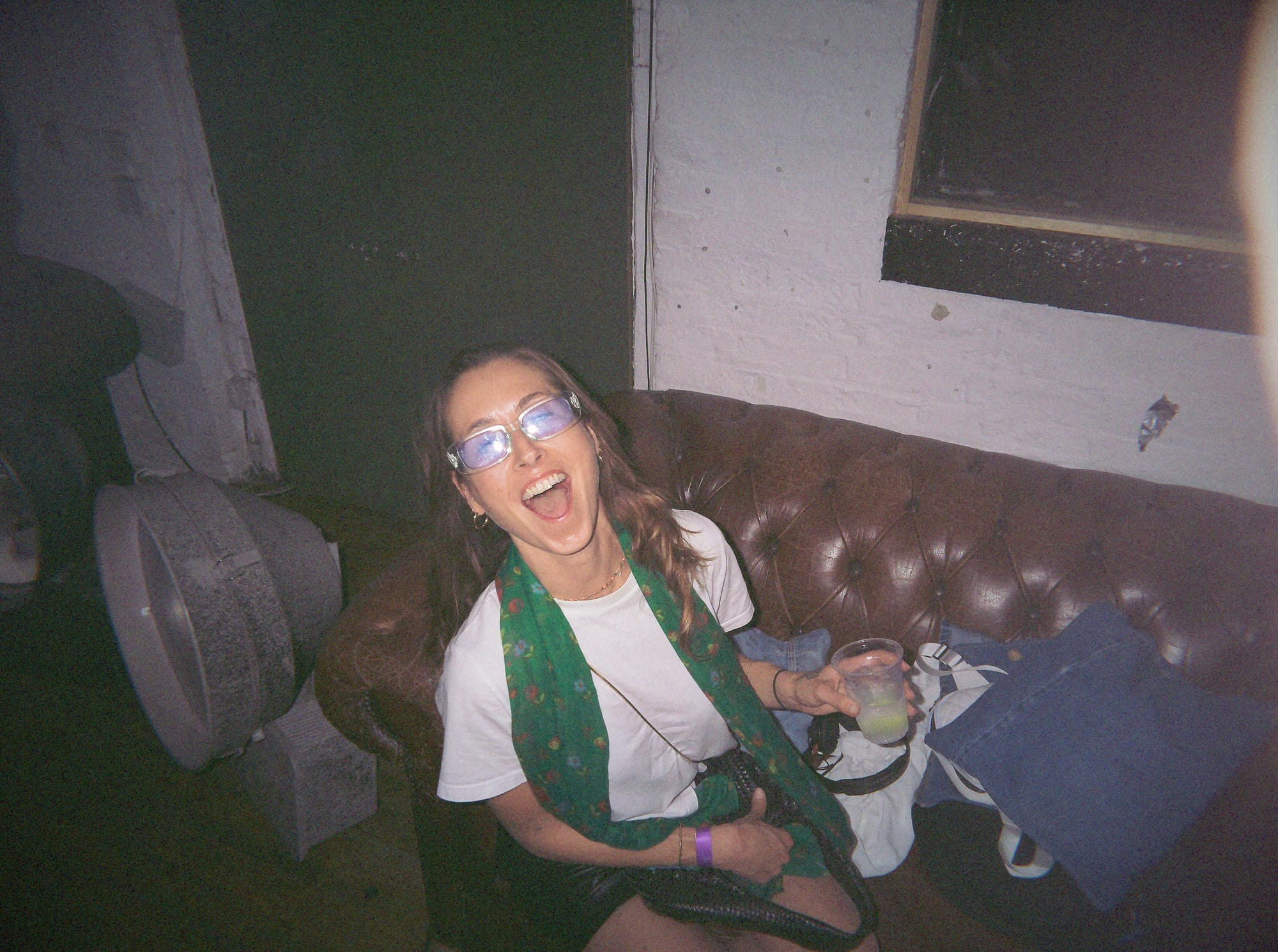
Being friends with some of these people can feel like being friends with your favourite band. Except your favourite band might be the person who spent six hours dancing next to you last Friday, or the one who made sure you got home safely when you were in absolutely no state to navigate the night bus. They're people you admire for what they do, but they're also people with their own lives, insecurities, ambitions and problems that have nothing to do with the music.
That's the bit I'm interested in. Not just the DJ behind the decks or the promoter who pulled off a party that had everyone talking the next morning, but the person who exists when the lights come up and the music stops. What made them get involved in the first place? What keeps them coming back? What do they get out of this scene, and what does it take out of them?
At NME, I got to tell stories about people in the games industry, and I always knew I wanted to bring that approach to FrontLeft. I just wasn't sure what it would look like.
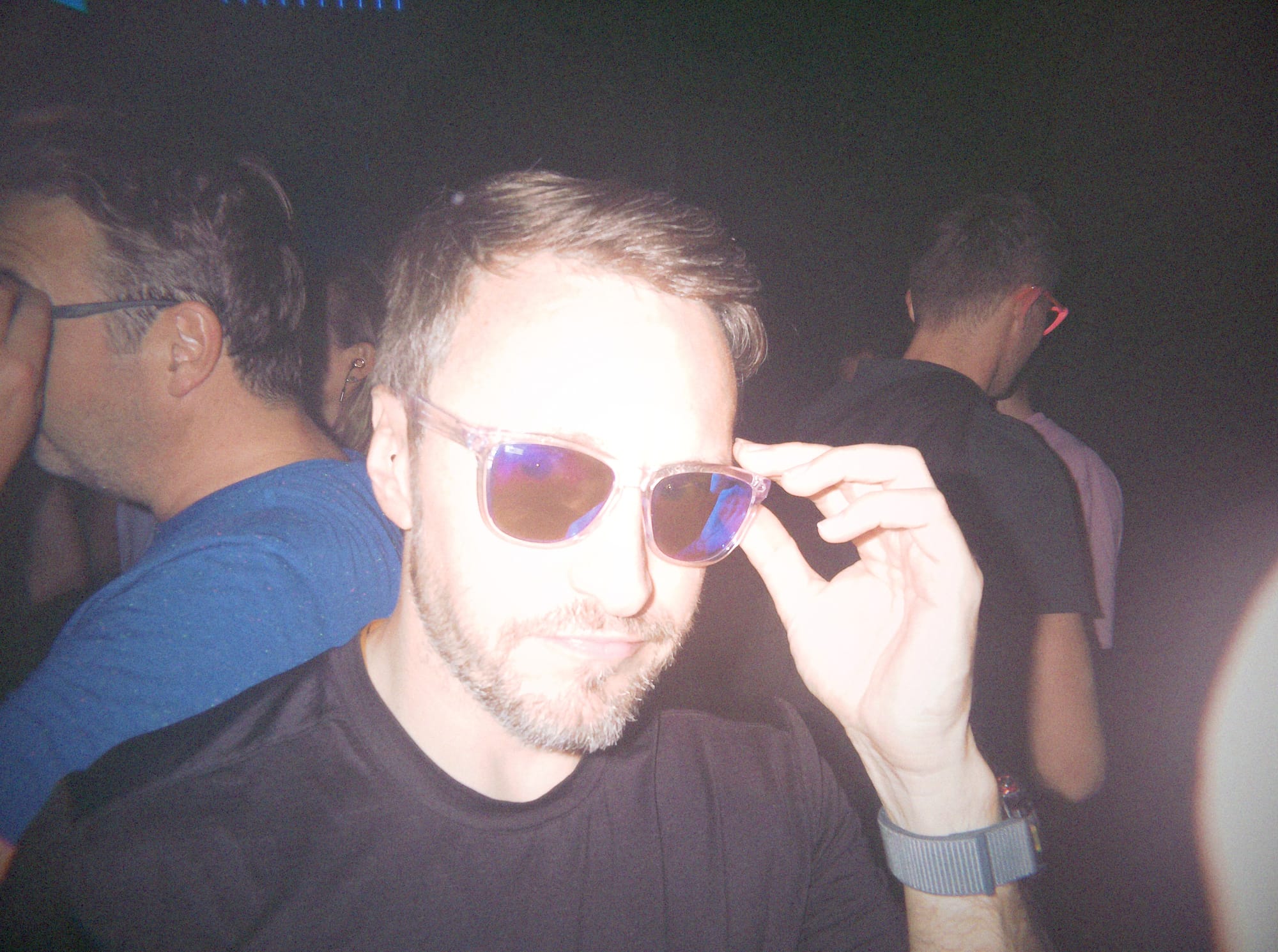
Now, I think the answer is to spend more time with the people in the scene and get to know them beyond their roles in it. The DJs, promoters and organisers are the visible parts of club culture, but there's so much more to the people behind them than you'll ever find on a flyer.
That's what I want these interviews to do: tell you something about the people who make London's club scene what it is, including the parts of their lives that have nothing to do with the music. You might already know their name, have danced to their sets or spent a night out with them. But there is always more to someone than the role they play in your life.
I'm aiming to publish one of these interviews a month. I'd love to hear what you think as the series develops, and what you'd like to see more of from FrontLeft. You can let me know in the usual places, via Instagram, our WhatsApp community or simply by replying to this email.
The Mix
Want to get a feel for Innerstice, the DJ that is this week's interview subject? I'd suggest this set from Number 90 last year. It's groovy and goes on a real journey over the two hours, morphing as it goes.
At 00:10, it's a driving techno set, but by 1:25 it's flecked with a sort of 90s nostalgia that made me feel euphoric as I cleaned my kitchen to it. It's here on SoundCloud if you're reading by email.
The DJ who just wants to bring people together
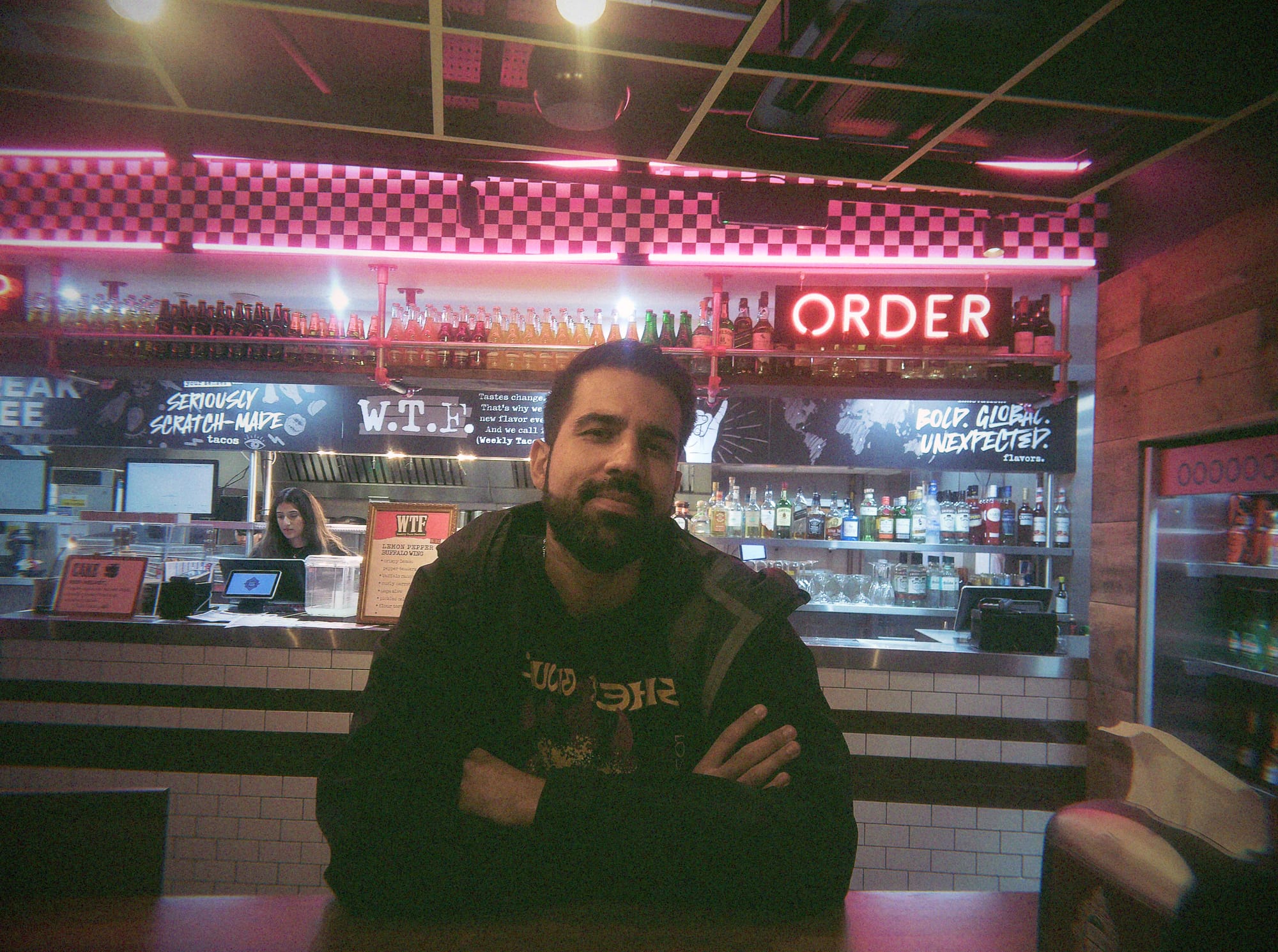
If London is supposed to be an unfriendly city, Navin, better known as Innerstice, clearly hasn't gotten the memo. He's chatting away to the people behind the counter of the taco shop we've ducked into to escape the rain, asking questions, pulling life stories out of them and actually listening to the answers.
Innerstice is a familiar face at London's smaller parties, the sort of person who seems to know everyone and always has a recommendation for where to go next. He's been part of the scene since university, first promoting club nights and organising trips to London, then eventually becoming a DJ himself.
I'd seen him play everywhere from underground gatherings to, on one memorable occasion, a cheese shop in Spitalfields Market. We properly met at Eclectic Zoo over the summer. Now, sitting in a taco shop, we're talking about the parties that shaped him, why smaller dancefloors matter and how becoming a DJ has changed his relationship with clubbing.
For Innerstice, he fell into raving at university. In 2014, he went to Trend, a new club night at the University of Kent's student venue, The Venue, in Canterbury. It had a loyal following, but struggled to attract new faces.
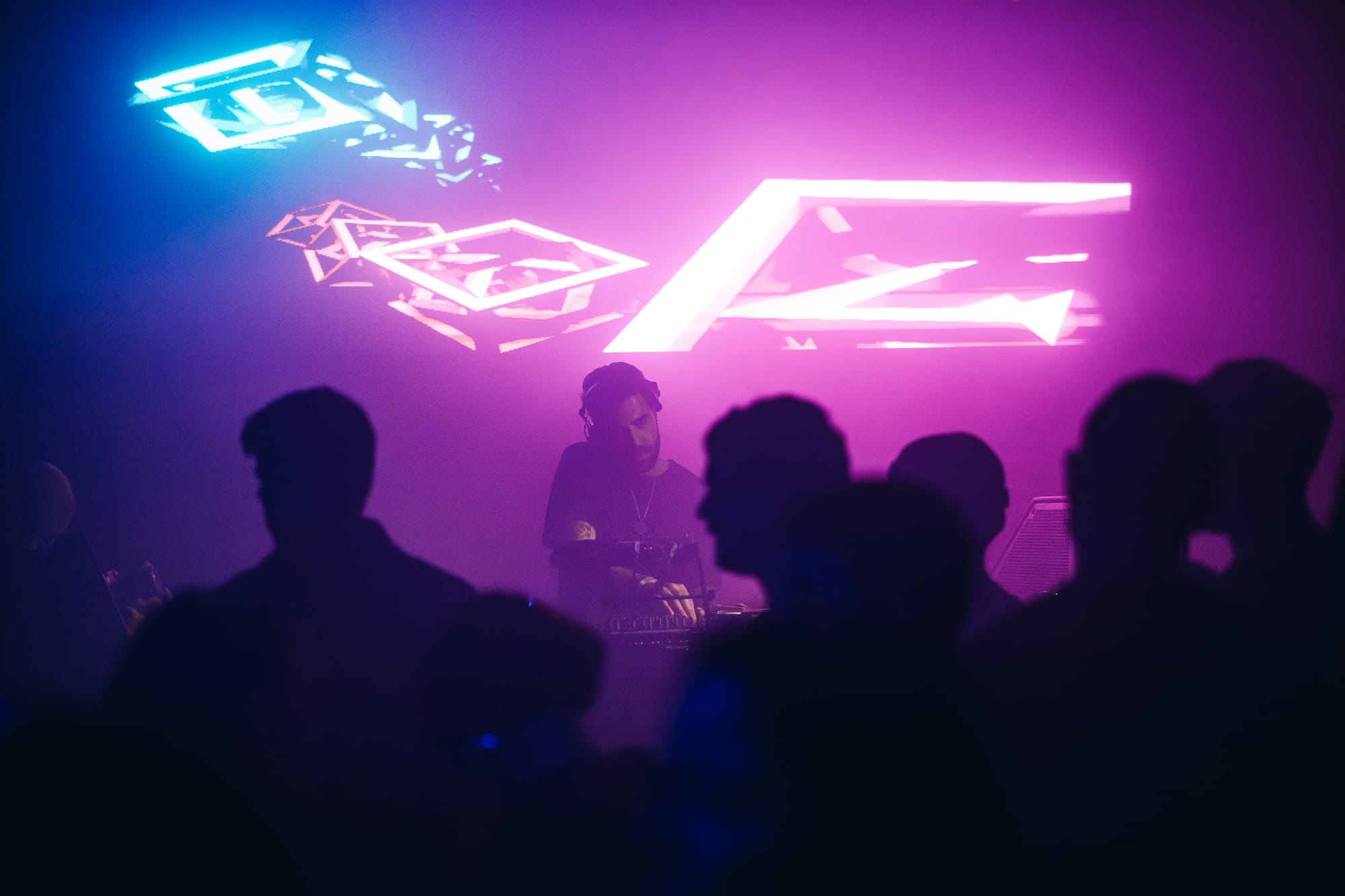
"The people that came to Trend were great, but it just had the same people going to it every week," he says. "That meant it was always a bit quiet, but I loved it. I fell in love with the music and obviously the people, and suddenly I found I was like a rep for it. I kept telling people to come along and they would, and that's when I realised I'm good at convincing people to come to parties."
His enthusiasm for electronic music had started years earlier, when a roommate at boarding school introduced him to a Ministry of Sound compilation. Until then, he'd been into punk rock, listening to Blink-182 and Green Day as he played the bass guitar. Electronic music offered something different, and he quickly became obsessed.
A friend from Spain who had moved to London introduced him to deep house, including the music of Jamie Jones and the Hot Creations label. Innerstice remembers spotting Hot Creations' palm tree logo as his friend was playing music on his laptop during a trip to the capital, then going home to search for more. He discovered artists including Audiojack, H.O.S.H. and Booka Shade, and points to Hot Natured's Forward Motion as the first track that showed him what a dancefloor could do.
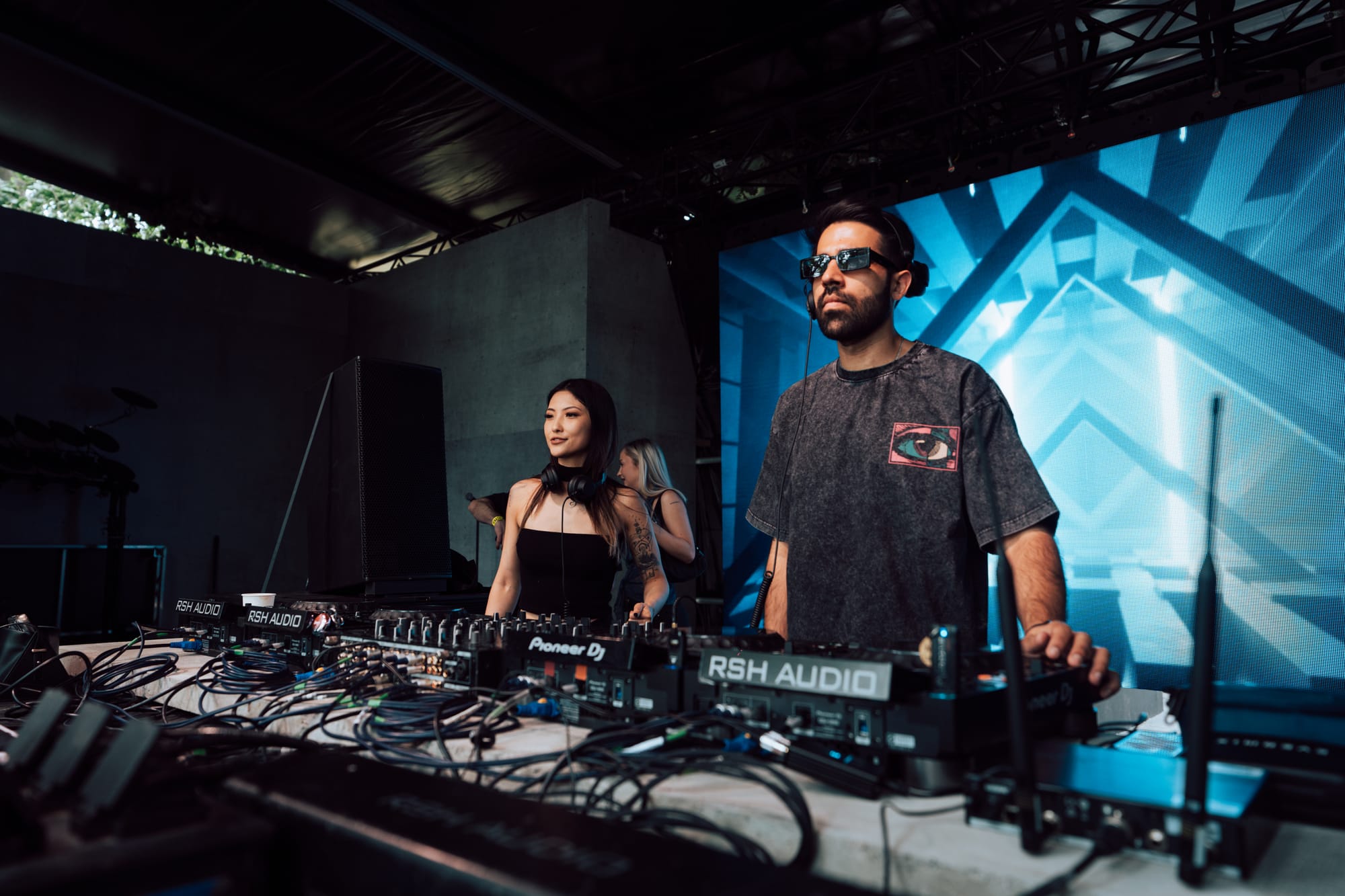
At university, Navin was studying Tourism and Business, but he wasn't sure where he was heading in life.
“I was very lost in life at the time, you know? Very lost,” he says.
He became more involved in Trend, selling tickets and encouraging people to come along. He also started organising trips from Canterbury to Fabric and Egg, gathering friends into cars to see the artists he'd discovered.
"We'd get three cars together, drive into London, go out until 7am and then drive back," he says. Before long, people from different social circles were asking him where they should go at the weekend. He'd become the person who knew where to find the music, and who could persuade everyone else to come along.
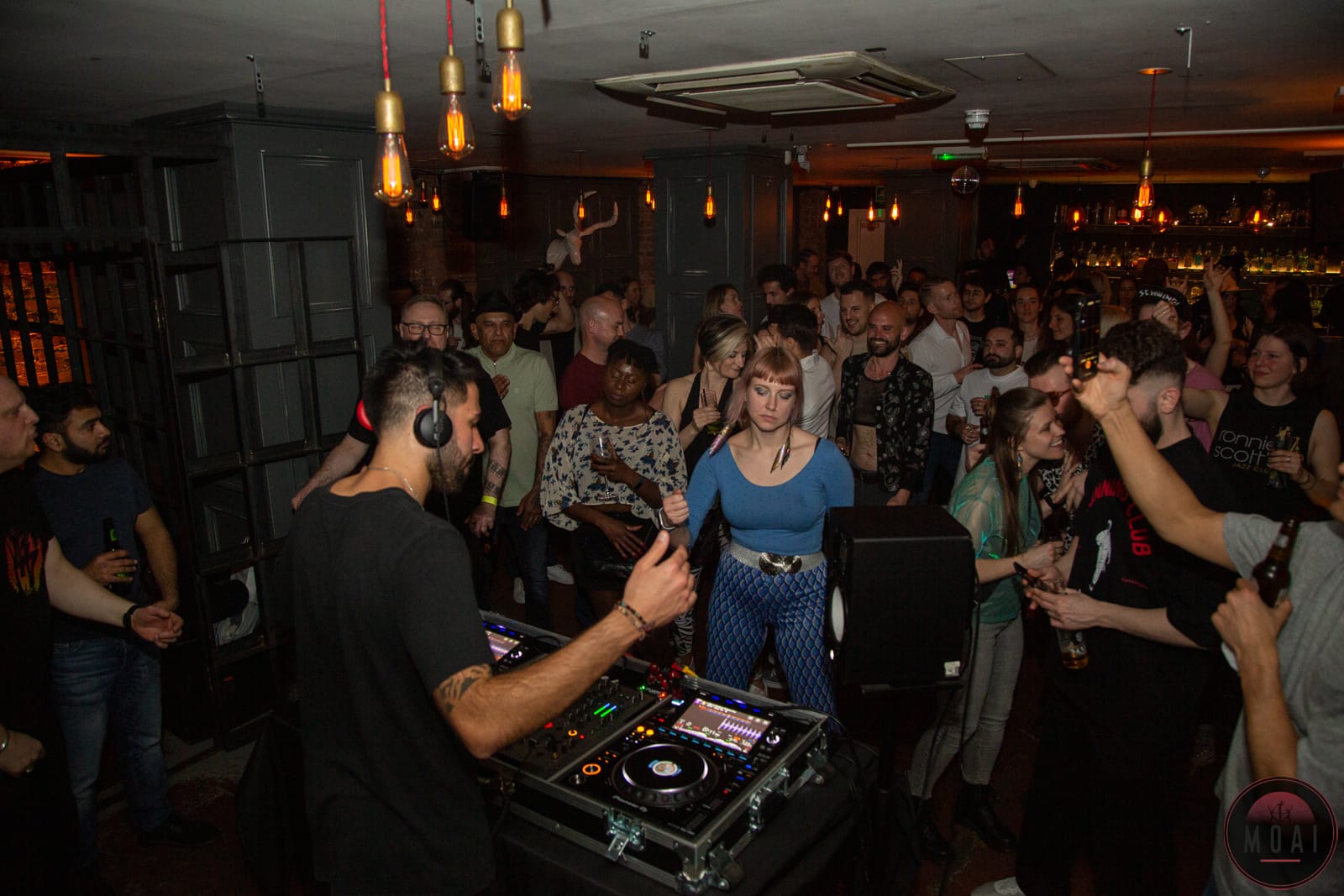
DJing came about almost by accident. A friend suggested he give it a go, and before long Navin was practising on a controller, then on a proper pair of decks after moving in with someone who owned them. The afterparties became a regular fixture, and one of them changed things.
“One or two years later I moved in with someone else who had a pair of decks, so I got to practice with some proper equipment. One time after Warm Up we'd taken a group of people back to ours. One guy, I didn't know him well at the time, was Joe , and he was the manager of Bloop Radio. The next day he messaged me and he said: 'Man, I love what you played, I run a radio station, why don't you come and do a show?"
“That was when I was like, ‘Oh! Someone actually likes what I do. A professional in the industry has actually invited me.’ That was when things changed.”
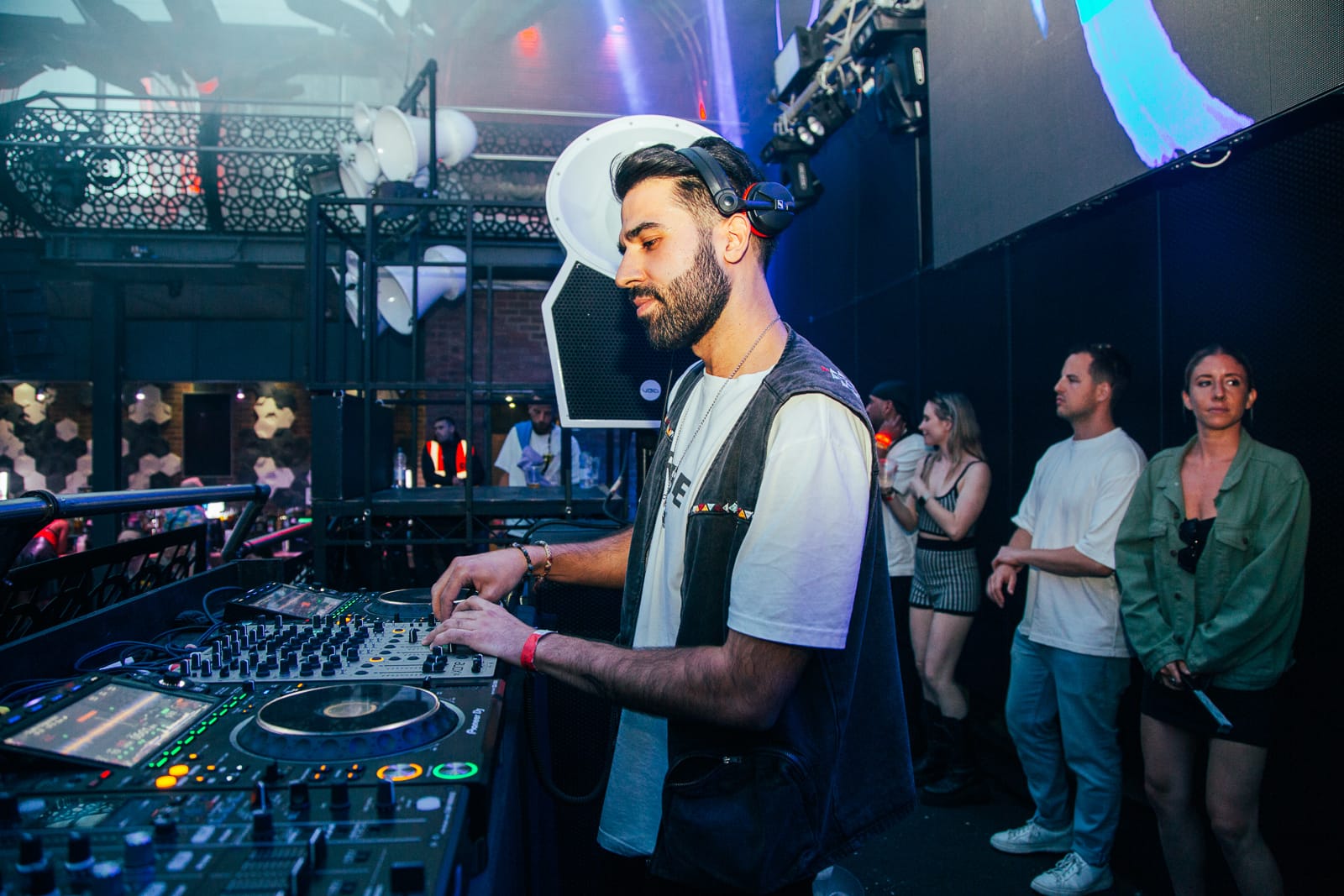
What began as another part of a life organised around raving became a decade-long DJ career, with Innerstice going on to play alongside Adriatique, Nora En Pure, Township Rebellion and Mees Salome, as well as at some of London's more tucked-away parties.
When he plays, Innerstice is interested in taking a crowd on a journey. He's concerned that shorter set times and the growing emphasis on DJs as performers leave less room for the gradual storytelling he values.
“Can you really say much with an hour?” he asks. Even the difference between a 90-minute set and a three-hour one changes how he approaches a performance. With less time, he feels he's only halfway through what he wants to do.
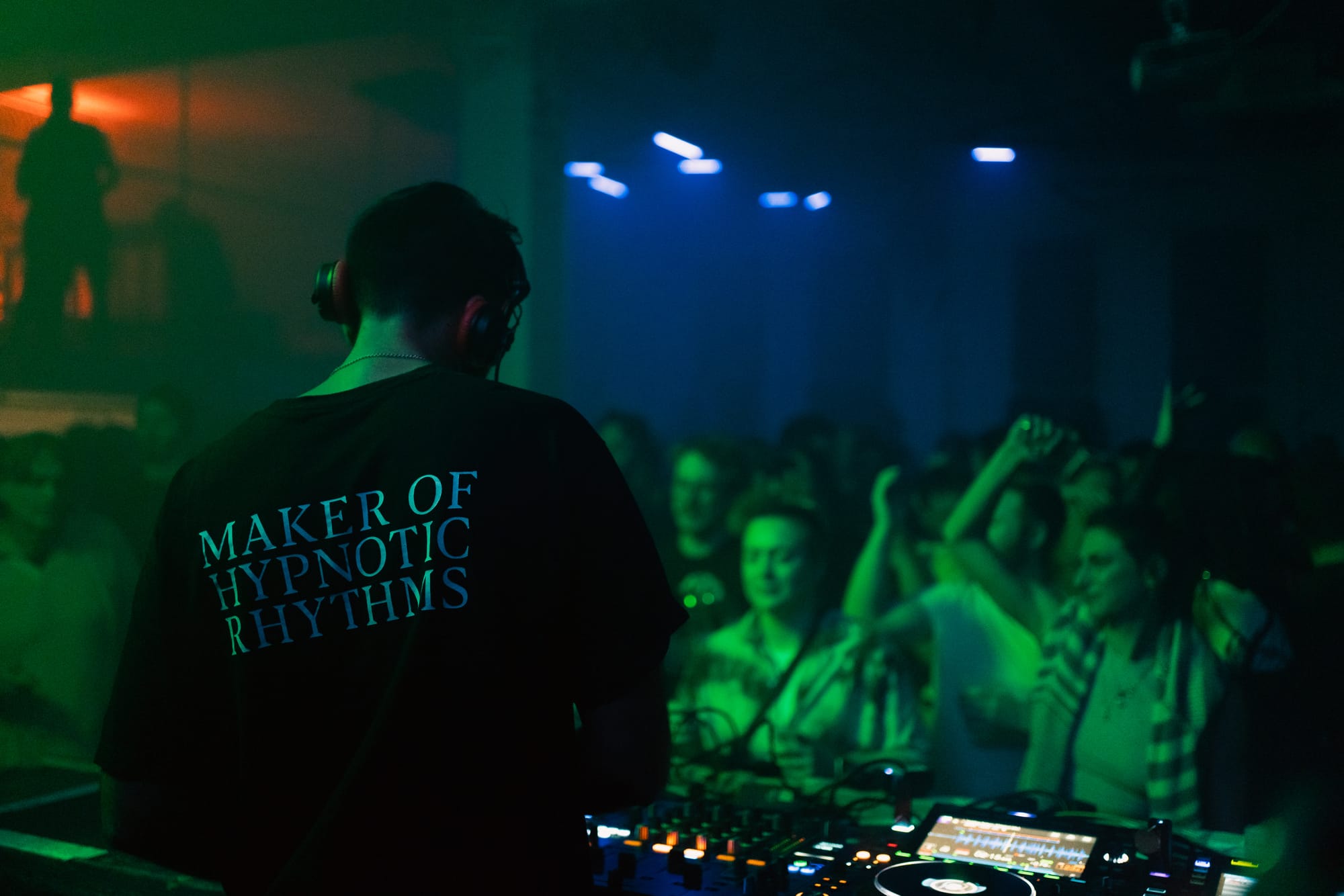
He also worries that the DJ's role has shifted from providing the music to being a visible performer in their own right. The pressure to make your presence felt, he argues, can come at the expense of experimentation.
"I think also there's such a big focus on the DJ who's on stage, now, that I almost feel the pressure to be a certain way and to have to say something, but in a different way. You cannot just be like, 'Oh, I'm just providing the music for the party, taking you on a journey.' It's more, 'Oh my god, everyone needs to know I'm here. Like there are these expectations.' So I think it leaves less room for experimentation, less room for journeys. So, nowadays these journeys seem to be a bit harder to find, whereas maybe in the past it used to be more of a common thing."
"You know what? It's taken the enjoyment out of it a little bit, unfortunately," says Innerstice after a pause when I ask him if going out to raves has changed for him since he started DJing.
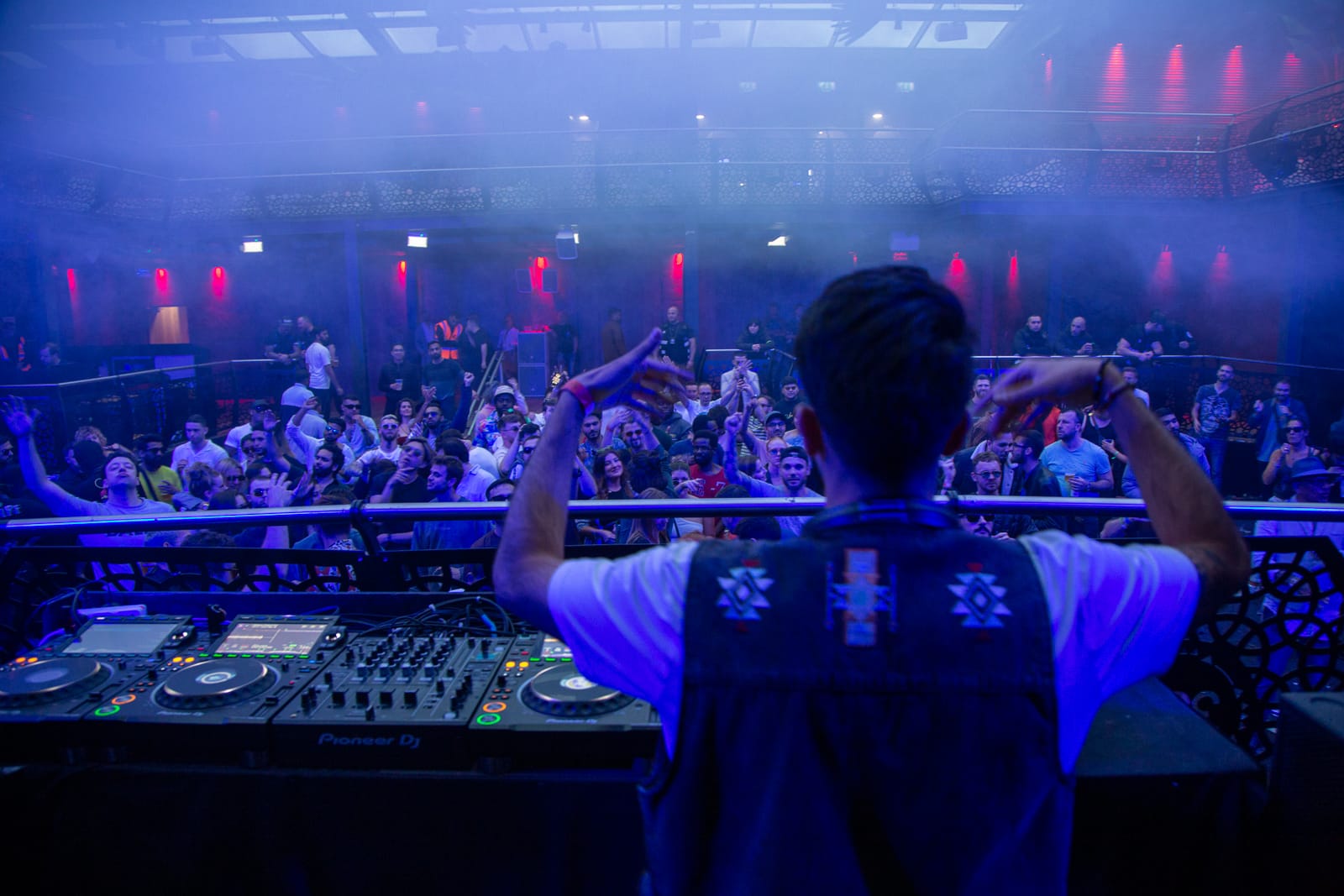
"It's really annoying because I now have to purposely choose to go out with the proper intention of letting go and just enjoying the music and not thinking about anything else," Innerstice says. "Because now you have all these different extra angles. First of all, you're listening to tracks being mixed together and you're judging, automatically. That's already a fucking nightmare. Then, you're also being approached by people, or you meet someone, or there's someone that you know, and you're also thinking about what if someone from the industry sees you, they might think something of you."
"So it's difficult now to let go, which is an annoying thing because I really love letting go on a dancefloor and not having to worry about things, not giving any fucks about anything. So DJing (and working in music) has messed it up a little bit in a way."
DJing has made it harder for Innerstice to lose himself on a dancefloor. But it hasn't made him want to leave it behind. If anything, he keeps coming back for the same reason that drew him in as a student: the feeling that, for a few hours, you're exactly where you're supposed to be.
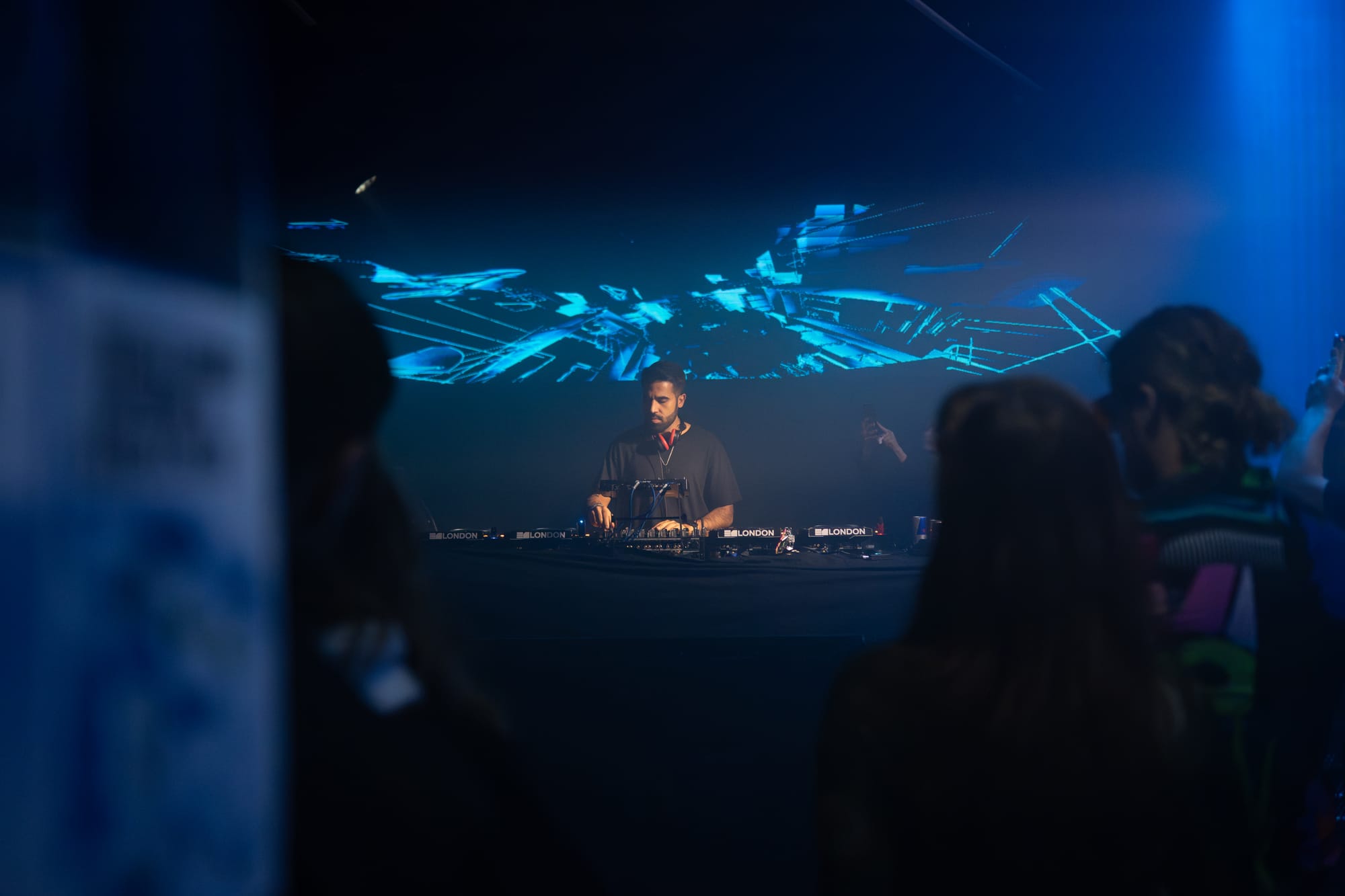
"I think community is a big part of why I fell in love with electronic music too," he explains. " It wasn't just the music itself, but it was the people that it tends to attract. I remember in the old days when it was all quite new to me, it felt like everyone was my friend. You had a shared interest, and you would turn to a complete stranger while an incredible record was on and like, do a fist bump and that would be you saying "yeah, we both love this track."
"We might not be real friends but at this moment in time, this is like my tribe, and we're we're all together kind of thing." he adds. "I've slowly been collecting people across the years of these interactions that I had in the club, you know? And I started with my group of friends from university, who I'm still friends with, and it feels for me like music is a way of staying connected, because so many of my friends have very different lifestyles in terms of like different jobs, living in different places, spread out all over the world, but we can still say, "Let's meet up and go to this party."
"So it also serves as a reunion, an excuse to get people out."
Innerstice has said that he's been drawn recently to smaller spaces instead.
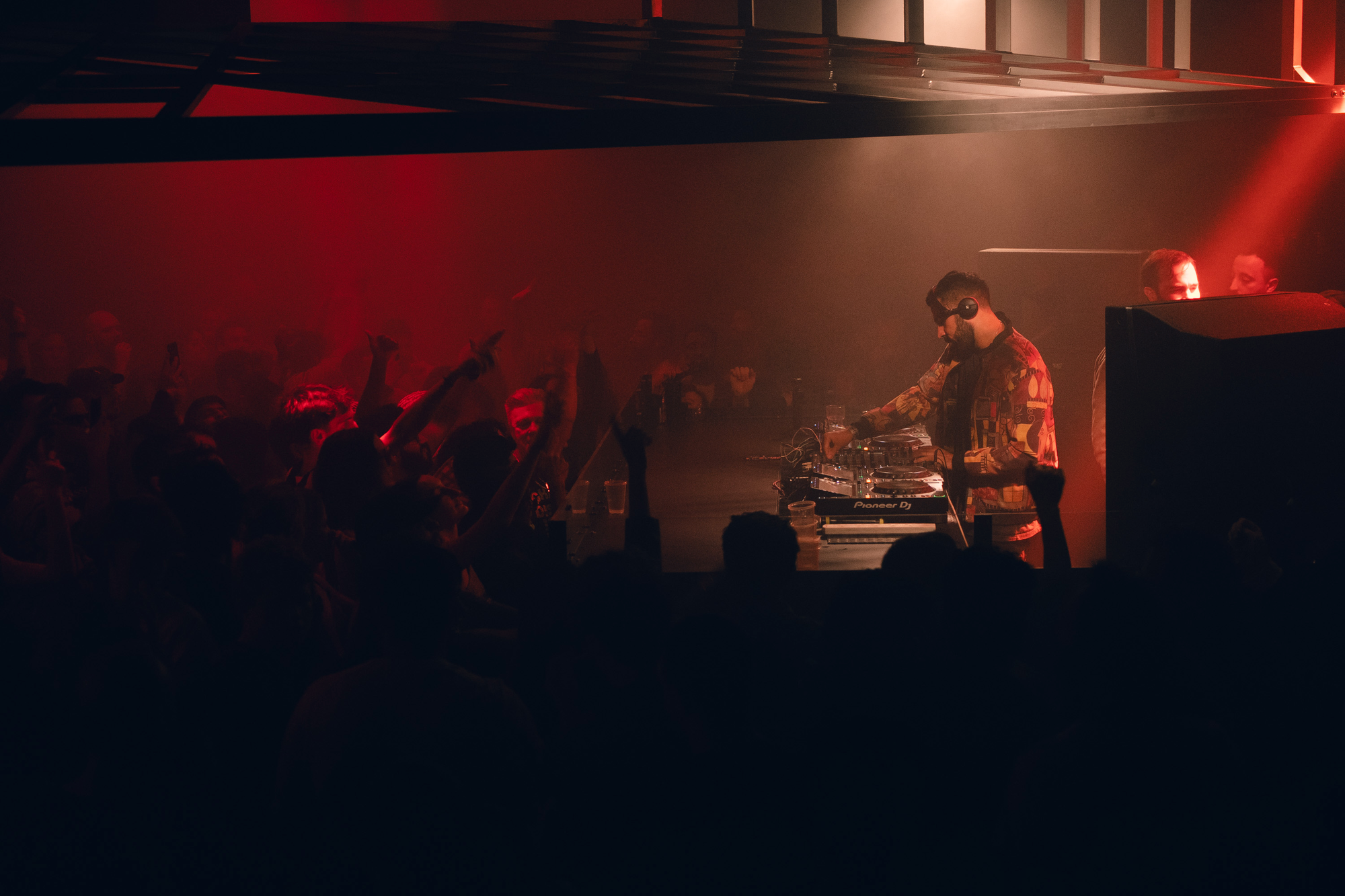
"In recent years it really feels like a struggle to connect with people in the bigger clubs, you know? Connecting is in all these little random encounters, when you bump into someone in the toilet area, when you go out to smoke, when you bump into someone at the bar. And it's harder to do that in a massive space where there are thousands of people, and they're quite scattered."
These smaller venues and parties are the antidote, where Innerstice can see the same faces throughout the night and build a familiarity, which makes it easier, in his own words "to have a little chat."
"I think these smaller parties are key, and this is why as a DJ, even though I'm growing and getting to do bigger things, it's very important for me when I have the opportunity to play for small events, as long as I think they're being done with the right mentality, in the right way."
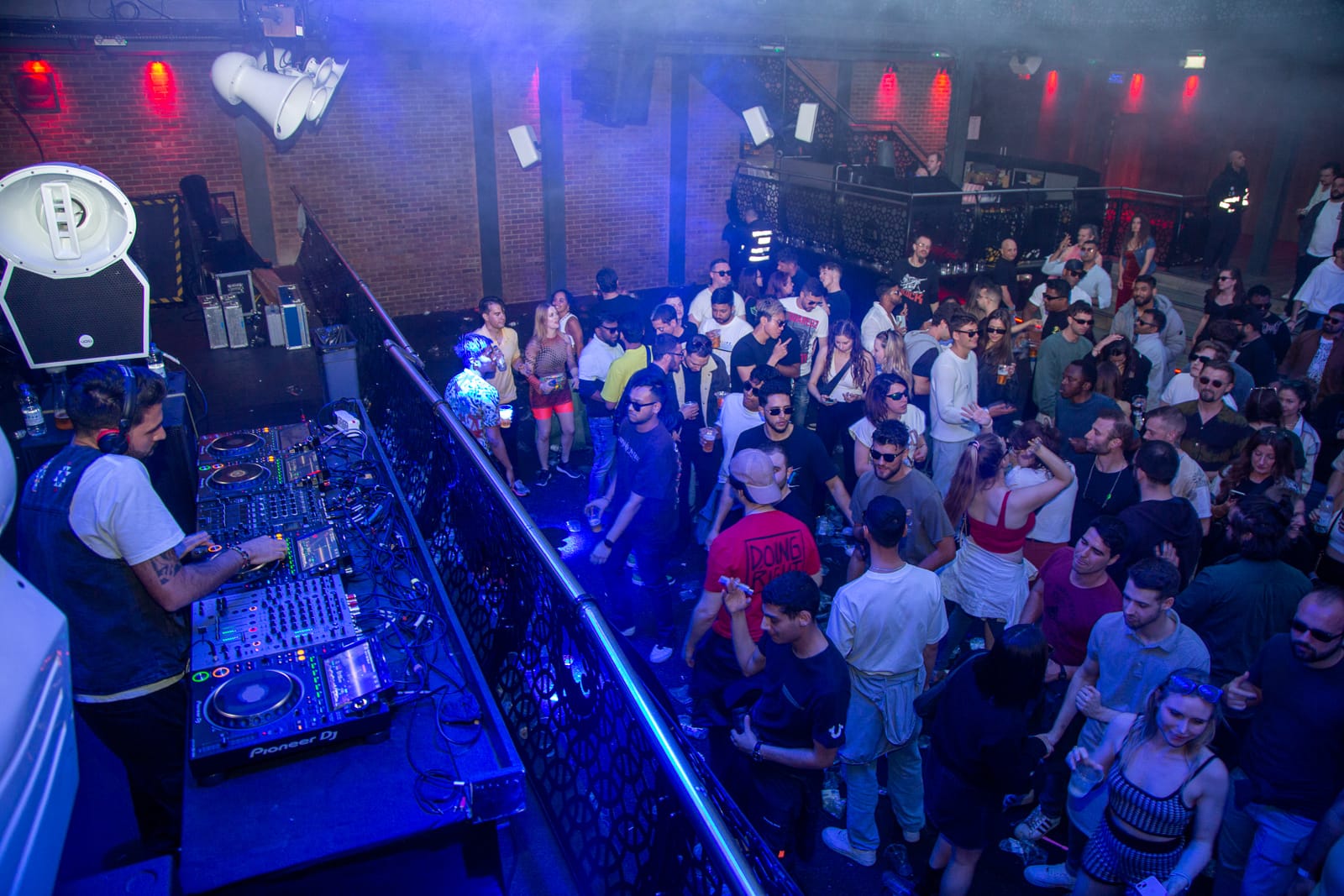
For Innerstice, smaller parties aren't just an alternative to bigger clubs. They're a way for people to find their feet in the scene, meet others who share their enthusiasm for the music and become part of a community. Those connections can last well beyond a single night.
Asked which parties are doing things right at the moment, Innerstice points to BHAN.
"It's really cool because I think BHAN has a very interesting way of putting things, and it's a very strong statement," he says.
The London-based event makes its expectations of the dancefloor explicit, setting out what it does and doesn't want from the people attending. Its website even includes a "who isn't welcome" section, putting those boundaries front and centre rather than leaving them implicit.
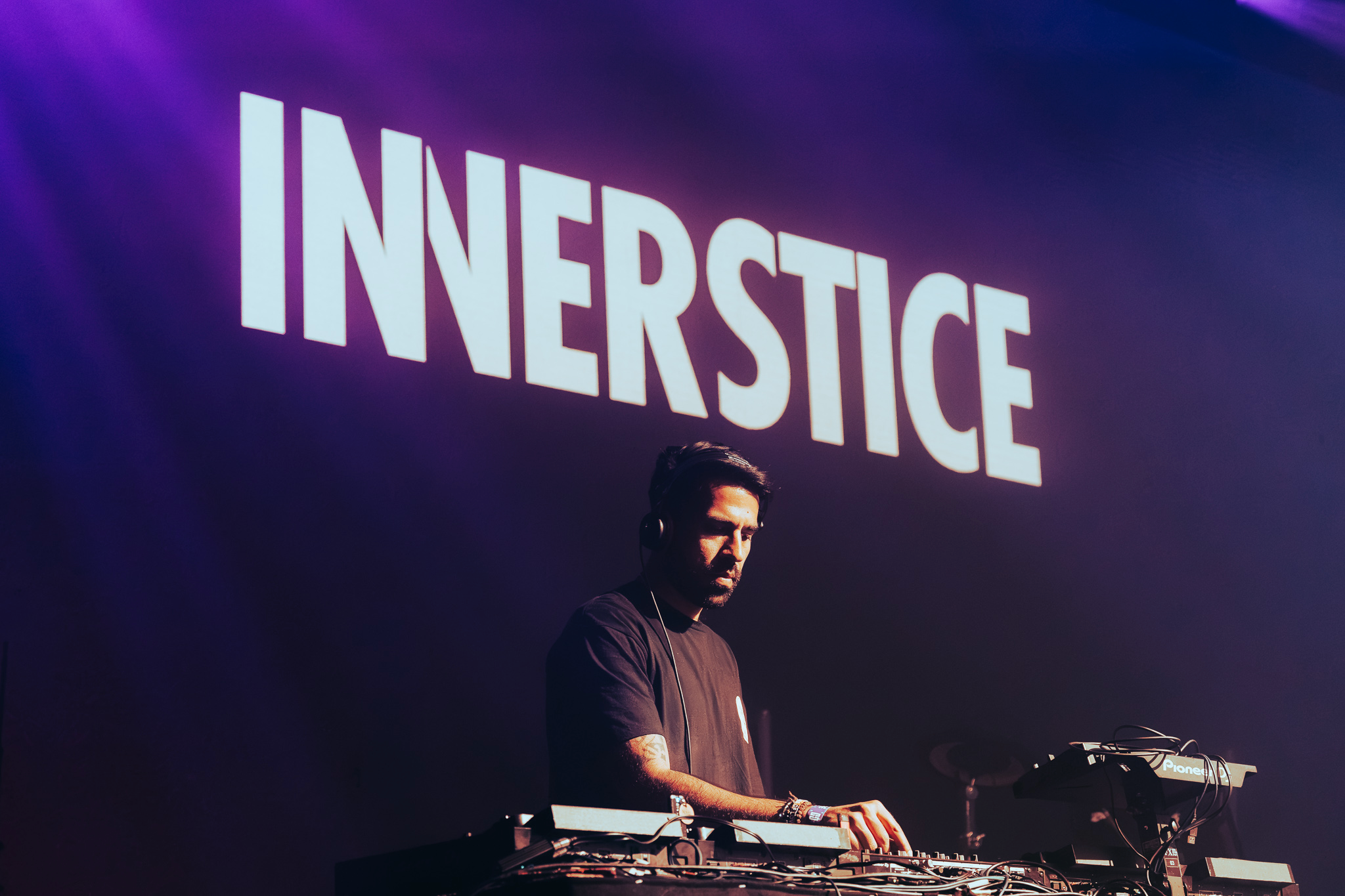
"I think it's great, and I think it's got a place, and I think BHAN is trying to say something. It's trying to do something that is a positive change, and it's interesting, and they clearly have a community around them. Some people really want the safe space that BHAN is trying to provide."
For Innerstice, the value lies partly in that willingness to challenge the status quo.
"They deserve a shout, because they're also disrupting things, you know? And I think how we move forward with things is by disrupting."
"There might be things about BHAN that are not 100% me, but ultimately it’s intention is to provide a space for people to express themselves. And that for me is the most important thing."
The Briefing
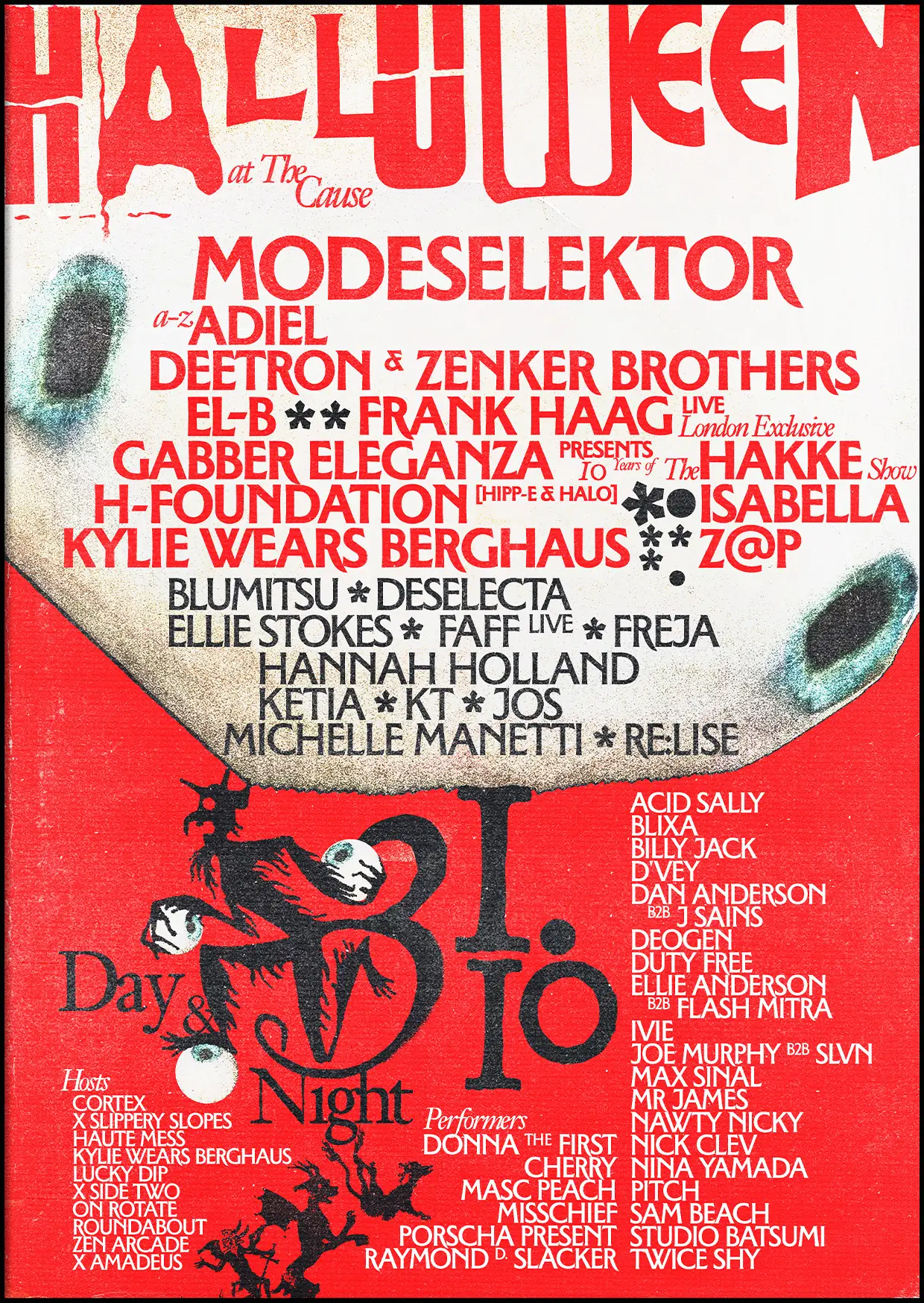
It's Halloween!
I tend to steer clear of Halloween night because the drunk people in ridiculous costumes quotient is high, but I'm hoping to make it to Charlotte De Witte on Sunday. So, a quiet weekend for me but a nice reward at the end.
If reading all about Innerstice has made you want to see Innerstice, you should get down to E1 on Friday where he's playing. Otherwise, here are some options, go have fun.
Friday
- Tim Reaper, Jay Carder + DJ Cosworth - Halloween Rave Gaffe
- Parable & Louder Halloween: Colyn, Henri Bergmann, Everything Is Art Onyx
- grounded w. Yushh x LWS x Delay Grounds Radial
Saturday
- The Cause: Halloween Festival The Cause
- elrow Horroween Festival with MK, LB aka LABAT, Sarah Story Drumsheds
- HAAi - Open to Close Earth
Sunday
- Charlotte de Witte Ironworks
What else?
- Boris Brejcha has announced he's going to retire in 2028, saying "my dad always used to say that you should stop when things are at their best."
- There is a Lego set of Daft Punk's ALIVE 2007 pyramid coming. Actually, this week has been Daft Punk heavy, with the news Rockstar tried to get Daft Punk to reform to do the soundtrack for Grand Theft Auto 6, which is coming out next month.
- Mysterious club night Lost is trying to make a return, seeking a 24 hour license for its new venue, a former London College of Fashion complex near Oxford Street.
Member discussion