Who benefits when DJs play for free?
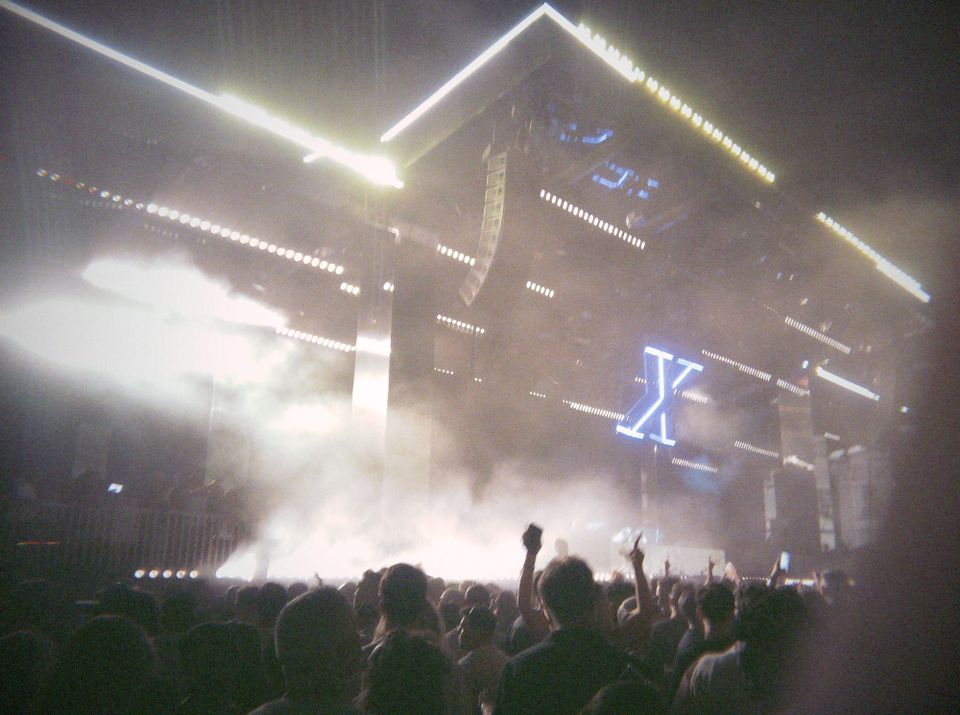
My favourite underground rave, Kollectiv, turned three this past weekend.
I wasn't entirely sure what to expect. I've been indecisive and discontent recently when it comes to partying and while I've still enjoyed going out, by and large, it's been tricky to reflect on a night and think, yeah, that was exactly what I needed.
I've gone to nights I was excited about and had a perfectly good time, only to get home and realise I couldn't really remember anything particularly special about them. At Adriatique this weekend, me and a friend just kept repeating the cost we'd paid for our tickets, rolling our eyes at music some of the people there were really enjoying. There's been a creeping sense that I'm consuming clubbing rather than actually experiencing it.
Heading deep into North London for Kollectiv on Saturday, I was apprehensive. Afterwards, despite getting delayed for a couple of hours because a burst water main in Woodford had shut down most of the North Circular, I was glad I made the trip.
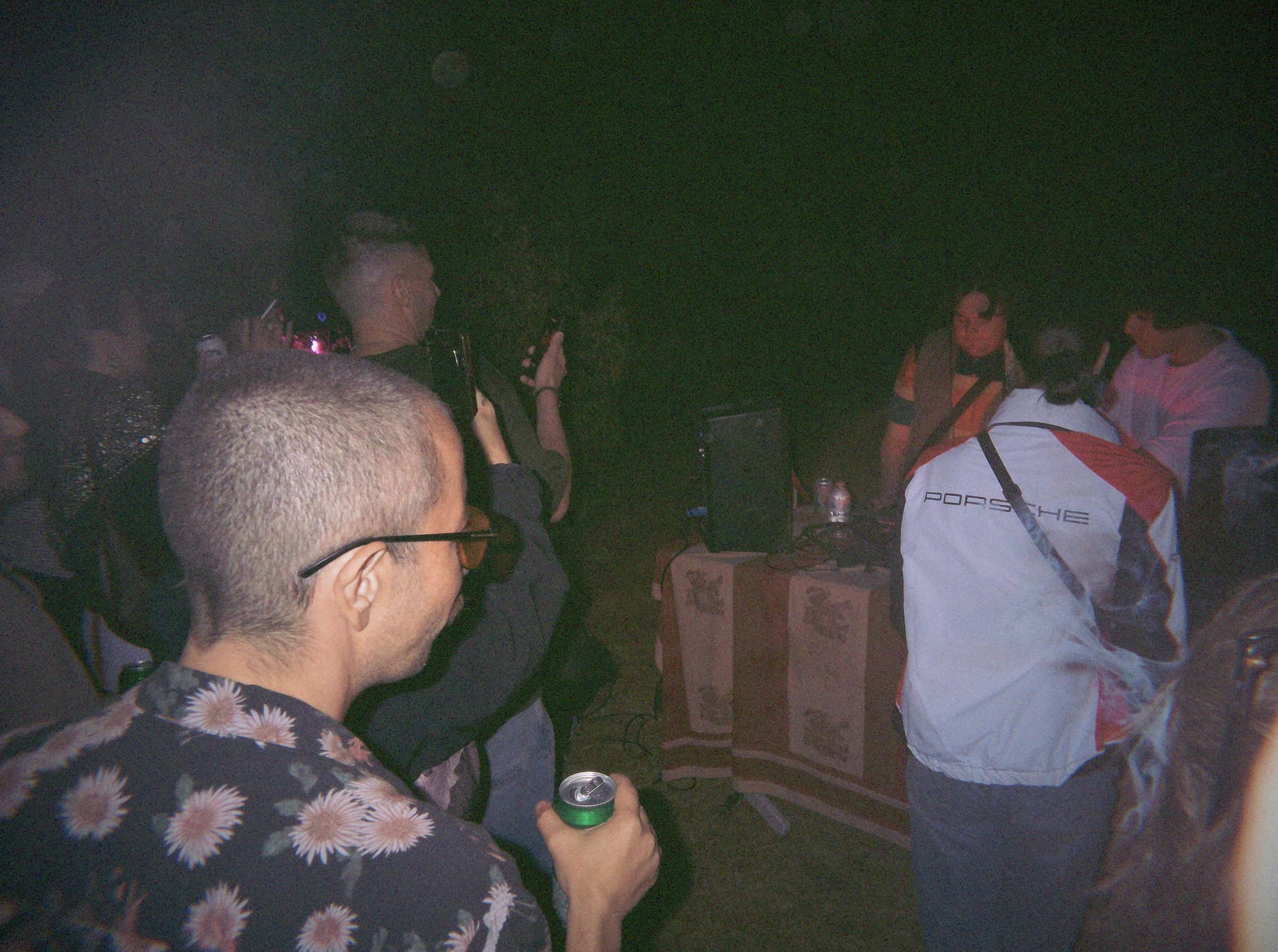
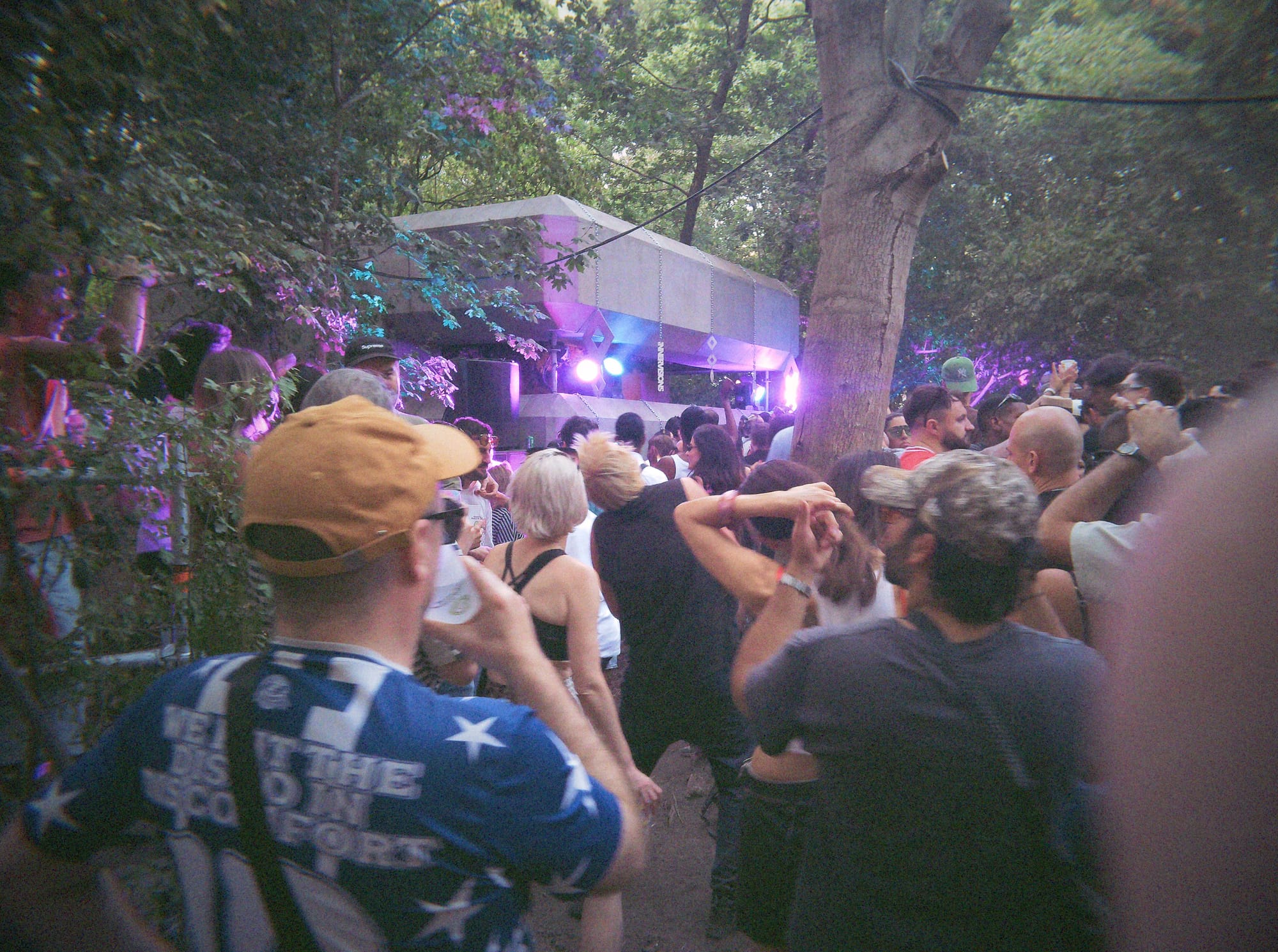
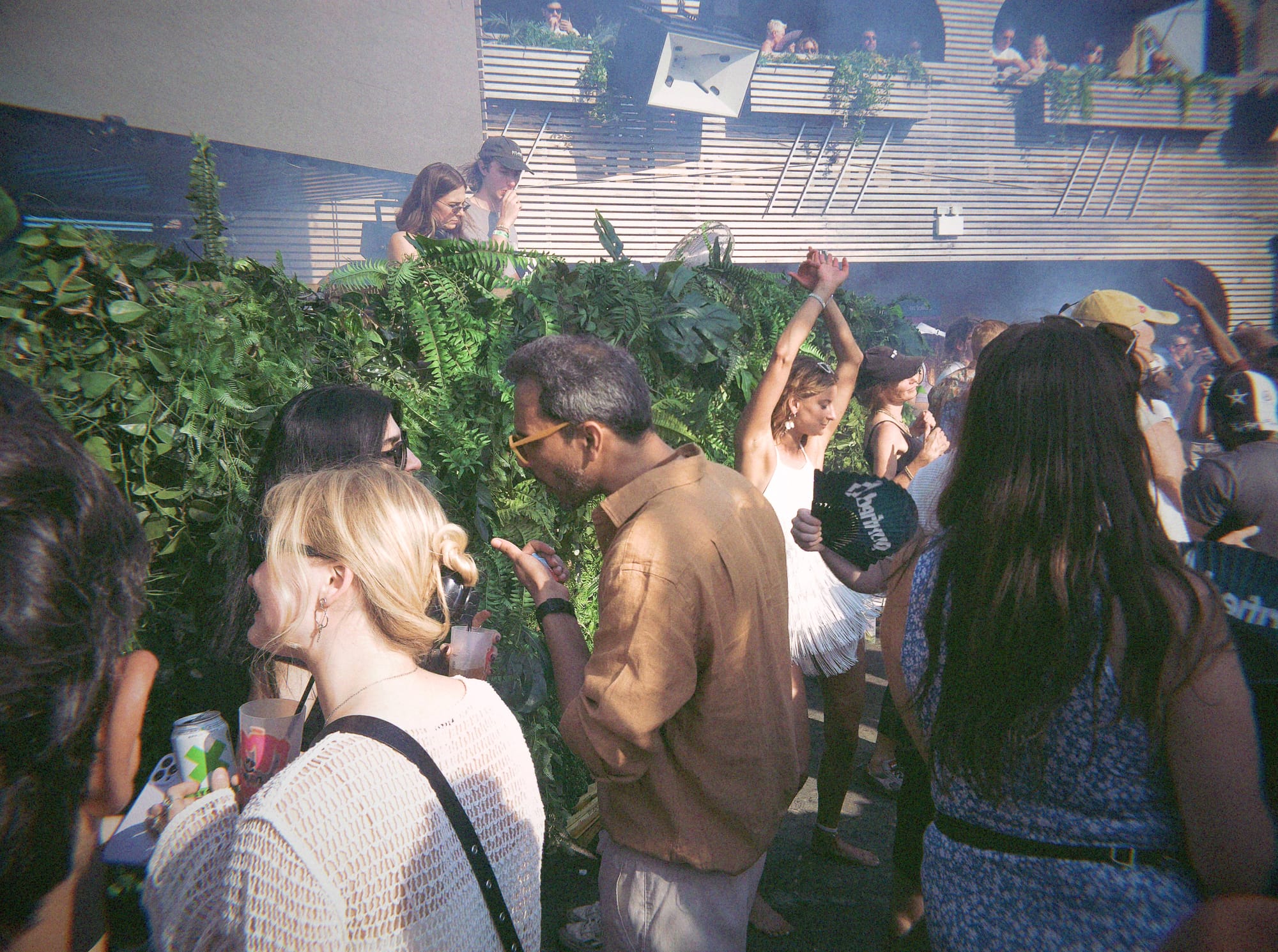
There was something wonderfully uncomplicated about the whole thing. No enormous production. No VIP area. No jostling front row or sense that everyone was desperately trying to position themselves in the right place, be seen by the right people or document the night for Instagram. Just a clearing, some decks, a decent sound system and a crowd that seemed very happy to be there.
It's something I increasingly appreciate about illegal and semi-illegal raves. They can strip clubbing back to its most basic components. You don't necessarily know exactly what you're walking into, the location might be slightly questionable, the toilets will be an afterthought (shout out for Go In for often finding locations with work toilets) and there's usually a moment when you're wondering whether you've been given the right directions or if you're about to get murdered on a pitch-black park in the middle of some woods. But, once you can hear the music or see the soft lighting, none of that matters.
What matters more is the atmosphere. Something Kollectiv always has in abundance.
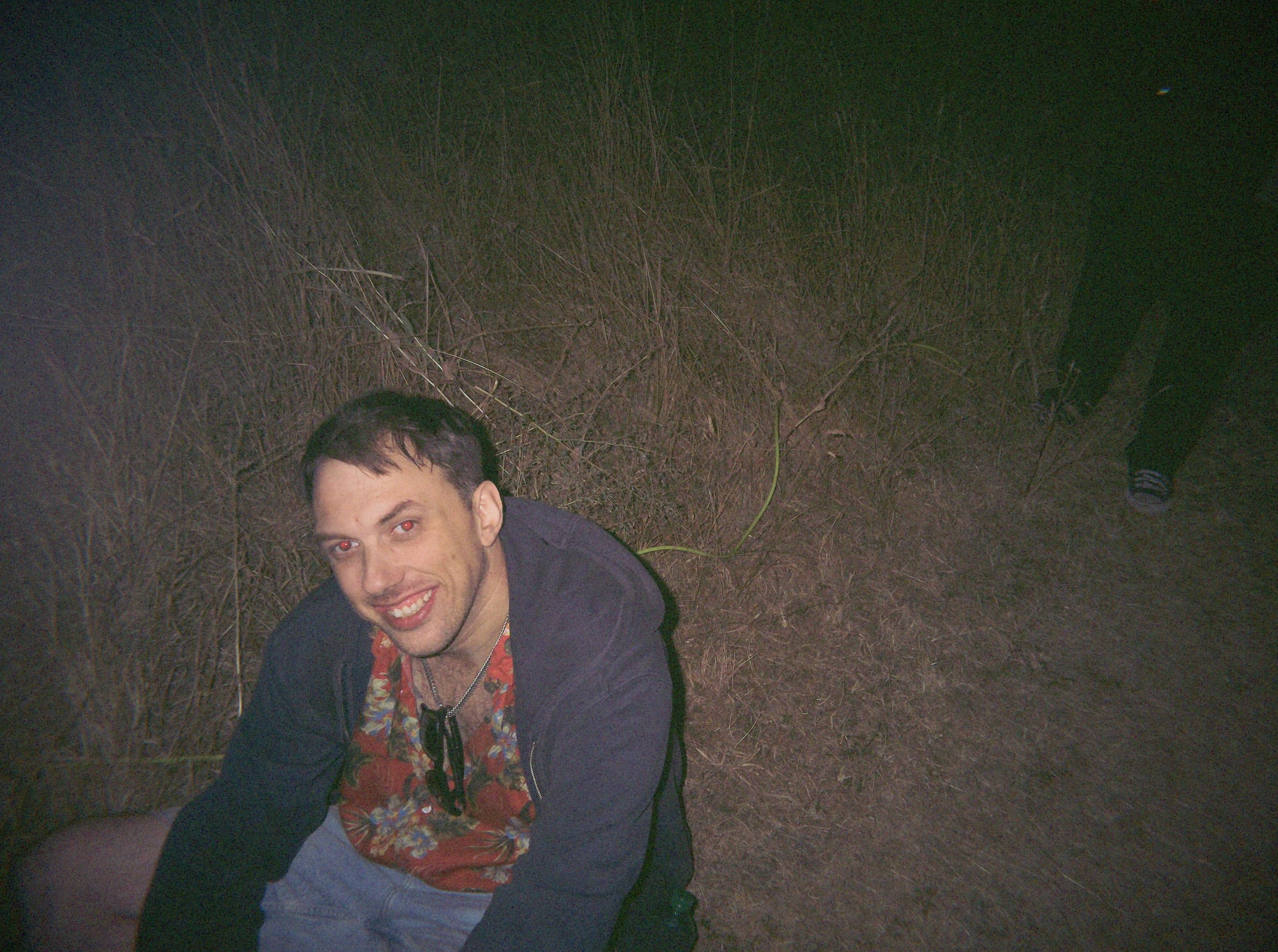
The crowd was relaxed, friendly and, most importantly, there was space to actually dance. Nobody seemed particularly bothered about being at the front. Nobody was spending the entire night craning their neck towards the DJ booth. People were just getting on with it.
That sounds like a fairly low bar, but I don't think it is anymore.
Last week I wrote about the strange tendency for the front to become a destination and the dancefloor becomes a place where people stand while watching someone else have the best time. You can end up spending more energy trying to get close to the DJ than actually dancing.
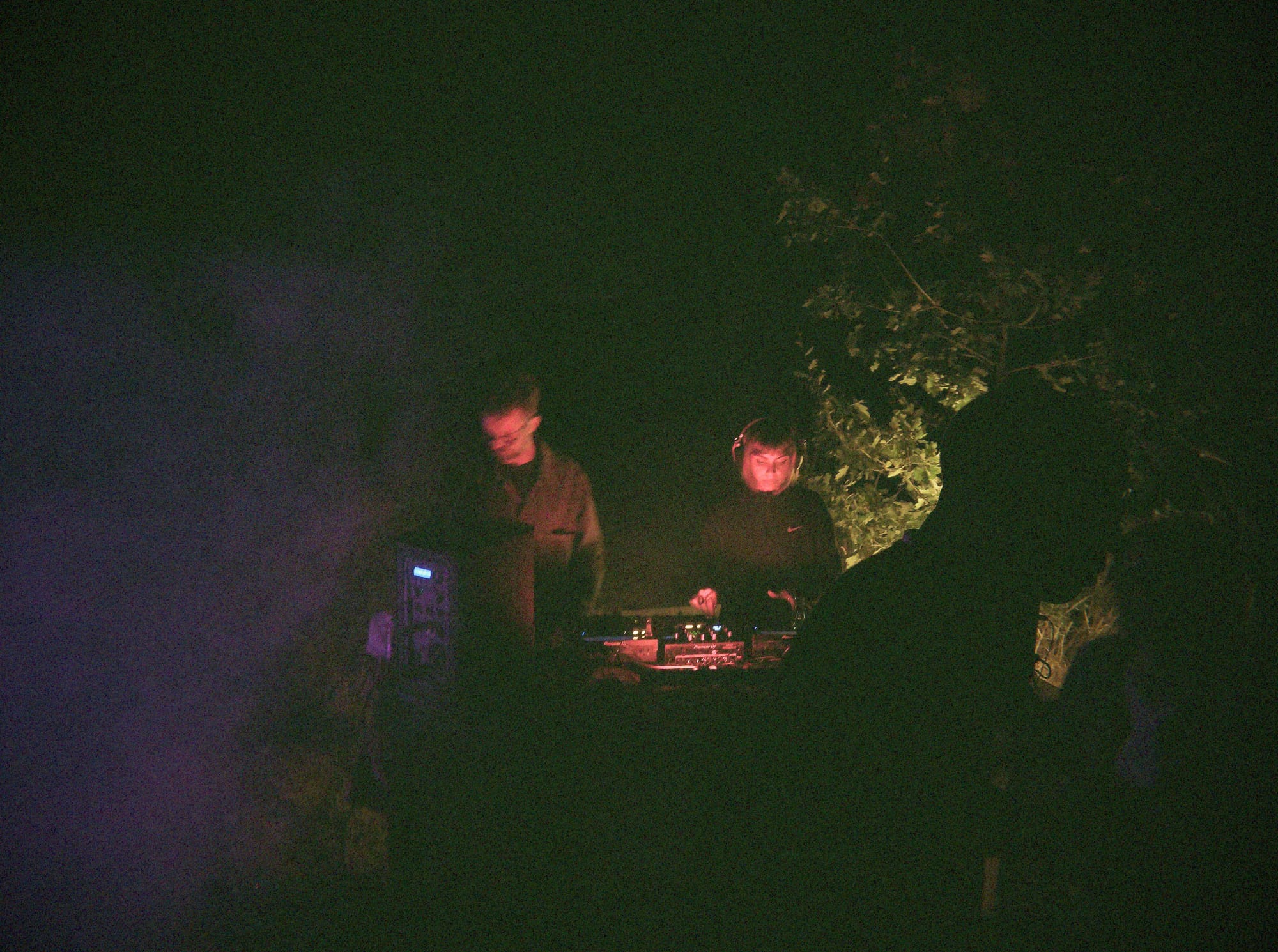
At Kollectiv, that feeling was largely absent. The DJs are important, obviously, but they weren't the entire point of the night. The crowd was part of the experience too. Perhaps that's why I enjoyed it so much.
There was no pressure to have the Best Night Ever™. As tickets for London's day festivals are increasingly costing £50-£60, the fact Kollectiv is free (you can donate, and drinks are £7.50 for a can, so I tend to just get a stack of drinks to support the event) means I don't need to convince myself I've witnessed a life-changing set or discovered the next big thing (although my first time at Kollectiv, walking up to see Rebecca Gough starting a set sure felt life-changing), I can just hang out, vibe and chat to friends.
There's a tendency for underground raves to be described as chaotic or hedonistic, and if your only experience is going to a packed-out Warm Up, it could give you a false impression of the whole thing. But there's also something valuable about a rave that's just quite nice. A good crowd, good music and a relaxed atmosphere is a good salve for a life that's increasingly nonstop in itself.
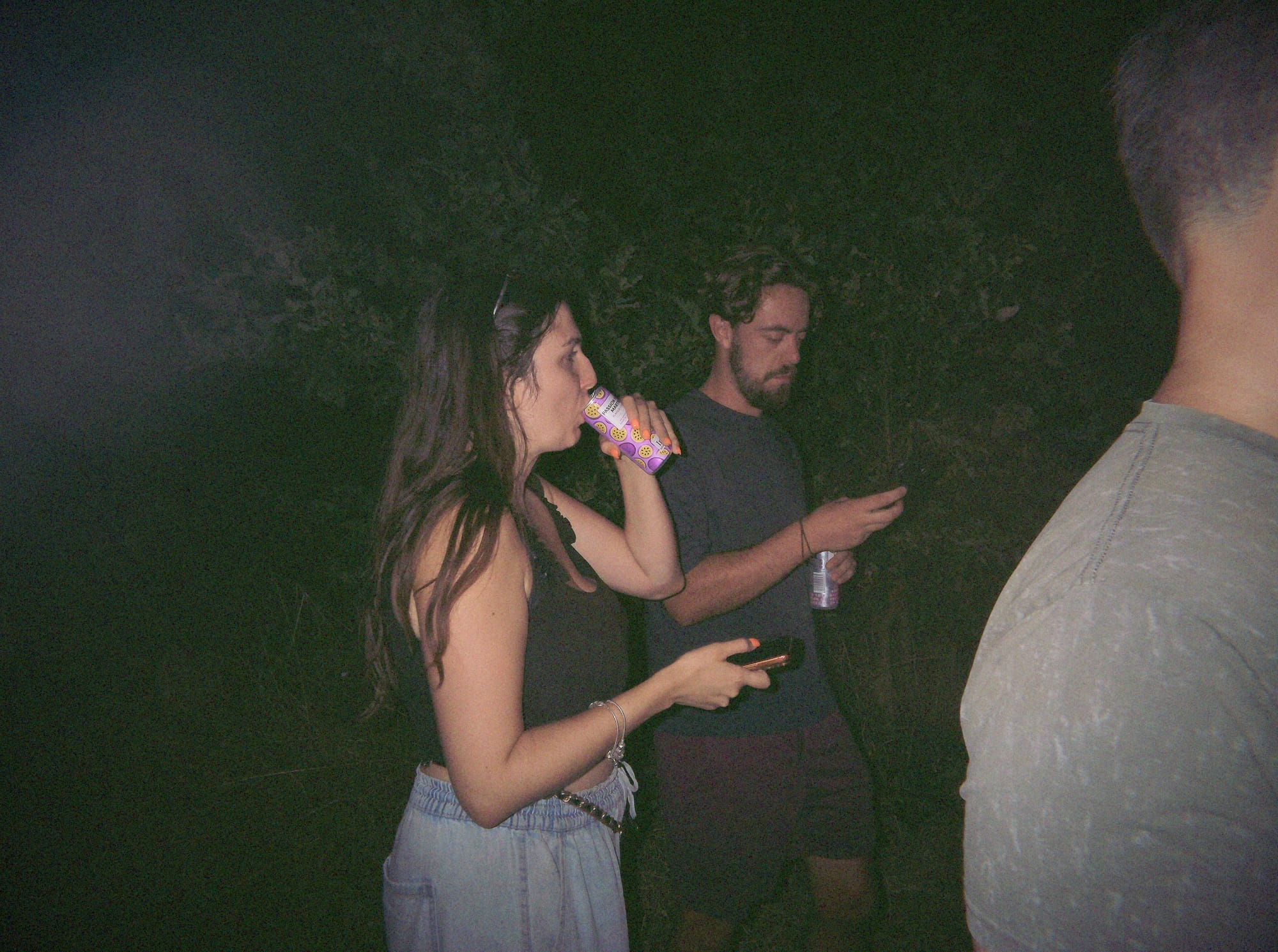
After a few weeks of feeling slightly underwhelmed by going out despite paying more and more for big-name tickets, Kollectiv reminded me that I don't necessarily need bigger lineups, bigger venues or more spectacle from a night out.
Sometimes I just need somewhere I can dance with a load of people who are there for exactly the same reason.
And, as it turns out, that can still be found under the stars in a clearing somewhere in North London. If melodic techno and a chill vibe is your thing, Kollectiv verifies new members via Instagram DM, and it is always worth the journey.
The Mix
This week's mix is from Tomorrowland, Ogazón's set from weekend two. The set, at an incredible-looking stage, which I guess is pretty standard for Tomorrowland, blends groovy house and driving techno without missing a beat. This mix has great energy and some long drawn out transitions, so give it a listen.
The race to the bottom has a dancefloor
Doomscrolling through Instagram this week, I noticed this post from the account OhMyViva doing the rounds. It highlights a depressing trend creeping into club culture that has become so normalised we barely question it anymore: the idea that DJs should be grateful for the opportunity to play, even when that opportunity comes from a promoter charging people to attend the event.
The latest version of this is the competition DJ slot. It'll be familiar if you're spending time watching dance music on social media. The steps are simple: enter a competition. Submit a mix. Get your friends to vote. Win the chance to play on a big stage. It sounds pretty good on paper. For an emerging DJ, getting onto a decent lineup can be difficult, and any opportunity to play to a new audience is obviously valuable.
After writing this, Smirnoff announced a competition where you can apply to play at Reading festival. Honestly, if Reading festival and Smirnoff can't put their heads in their pockets and shake out a little change, what hope does anyone else have? The terms and conditions of the contest clarify that winners will also have to make their own way to the festival. Reading is one of the biggest festivals in the country and Smirnoff is owned by Diageo, who reported sales of $19.643 billion last year. They did report a 3% drop in profits, but that's still $19.643 billion, maybe cough up for a train ticket at least.
I want to say that if you're a DJ applying for these competitions, this isn't on you. It's a huge opportunity and you should try to grab it with both hands.
But there’s a question we, as a community, should probably be asking more often: why is the DJ providing the labour while the promoter provides the opportunity?
After all, there’s a difference between being invited to play a genuinely small, community-run event where nobody is really making money and being asked to perform at a commercial event where everyone else involved is being paid.
If the promoter is selling tickets, the venue is taking its cut, the bar is making money, the photographers, security and crew are all getting paid and the person running the event is taking a fee, it starts to look increasingly strange that the DJ is expected to accept exposure as their compensation.
And I understand the argument from the other side.
Promoting events is hard. Small promoters operate on frighteningly thin margins. A poorly attended night can mean losing thousands of pounds. Booking established DJs costs money, and giving newer artists opportunities is an important part of keeping a scene healthy.
Nobody should expect a promoter putting on a 100-capacity night in a tiny basement to suddenly start paying superstar fees, or indeed any fees at all as long as they're upfront about it.
But there’s a fairly enormous gap between expecting a small promoter to operate within their means and deciding that emerging DJs simply don't need to be paid when they're playing at a huge festival.
The counter-argument is that if they had to pay, even a token fee, festivals would stop being able to offer this sort of experience. My response, a counter-counter-argument if you will, is that if you can't afford to pay a DJ a token fee, there is probably something problematic elsewhere within the model of the event and its associated financing - why should the grassroots DJ take the hit?
Add to this that when we, as a scene, make unpaid performance normal, we don't just affect individual DJs. We start changing who can participate in the culture.
If you come from money or have a full-time job, no kids, cheap rent and disposable income, playing for free might be a cool opportunity or at worst an inconvenience.
If you’re trying to make music your career, it’s different. Every unpaid gig costs you something. Travel costs money. Equipment costs money. Songs cost money. Time spent preparing a set is time that could have been spent working. If you’re playing vinyl, there are record stores to visit. If you’re producing, there’s software and hardware. If you're travelling between cities, there are trains, hotels and taxis.
And if you’re being asked to repeatedly do all of that for free, eventually you need another source of income to subsidise your artistic career.
Which means the people most able to accept unpaid work are often the people who don’t need the money from DJing and that has consequences. It risks creating a scene where the DJs who can afford to play for free get more opportunities than the DJs who actually need to be paid. And those aren't necessarily the same people.
Britain's Britpop explosion has, several times, been linked to the musicians involved being out of work and claiming benefits at the time they wrote their breakthrough songs. While that climate likely isn't possible anymore, how do we expect the next generation of DJs and promoters to come up when opportunities come with a price tag rather than a helping hand?
The scene talks constantly about supporting emerging artists. There's talk about discovering the next generation. We talk about grassroots culture and creating pathways into the industry, but a pathway that requires artists to repeatedly work for free isn't much of a pathway for everyone. It becomes a filter based on financial privilege.
There's an irony in the fact that promoters are, ultimately, dependent on these artists. Every established DJ started out somewhere, and the people playing the headline sets all started out somewhere.
But if the next generation can't make enough money to continue doing it, eventually they stop, and that should concern everyone. Because the health of a music scene isn't measured by how many huge lineups it can produce. It's measured by whether there is a sustainable ecosystem underneath them.
I've been a journalist for 20 years when I'm not writing this newsletter, and I've watched a race to the bottom on fees and pay completely obliterate the scene. While writing about music and video games I've watched both of these industries become increasingly hostile to working-class participants.
I don't want to watch this happen to dance music because, well, a lot of my friends are pretty good DJs that are building a name for themselves and I'd like to see them get the chance to become better-known DJs. But culture requires people to have enough time and money to participate in it.
This doesn't mean every DJ should demand £500 for their first gig. It doesn't mean every tiny promoter is exploiting artists. And it certainly doesn't mean that playing for free is inherently immoral.
There are plenty of situations where it makes sense.
A genuinely grassroots party where everyone involved is volunteering is one thing. A charity event is another. Playing your mate's birthday party because you want to is obviously different. And sometimes a new DJ might consciously decide that they'll take a particular unpaid opportunity because they believe the experience or audience is worth it.
The important word is choice.
There's a difference between an artist choosing to give their time away and an industry deciding that their time isn't worth paying for.
Competition slots make this particularly obvious because they can turn the desire to play into a form of free marketing for the promoter. Suddenly the DJ isn't just providing the music. They're encouraged to promote the competition, mobilise their friends, collect votes and generate engagement.
The artist is doing work before they've even got through the door. That's the bit that feels most backwards to me.
We all agree that we shouldn't ask a photographer to shoot an event for free because it would be "great exposure" and while they're often asked to do it, we know it's unfair to ask a graphic designer to create the event artwork for nothing because they might get more clients. We wouldn't tell a sound engineer that being allowed to operate the sound system in a packed club is payment in itself.
So why is DJing treated differently?
Partly because there are so many people who desperately want to do it. There is no shortage of DJs. There are always another ten people willing to take the slot. That gives promoters enormous leverage. But abundance shouldn't mean something has no value. The whole point of a DJ is that they create the thing we're actually buying tickets to experience, rather than an optional extra.
And if we want a diverse, interesting and genuinely grassroots club culture, we should probably start treating the people creating that culture like workers rather than lucky competition winners.
Paying a DJ doesn't have to mean paying them a fortune. It can mean a realistic fee that acknowledges their time and expenses. It can mean being transparent about the budget. It can mean telling an artist what the fee is before asking them to commit.
Most importantly, it means recognising that exposure is not a currency. You can't pay your rent with exposure. It doesn't buy records. It doesn't replace a lost night's wages.
Because ultimately, this isn't really about whether one DJ gets £50, £100 or £500 for a set. It's about what we think creative work is worth, and who gets to participate in making it.
If the only people who can afford to be DJs are the people who can afford not to get paid, we're going to end up with a less diverse, less interesting and less sustainable scene. The people who can't subsidise their own careers will disappear, while the people who can will keep getting the opportunities.
That's not a meritocracy. It's just a financial filter dressed up as one. Because exposure isn't a wage, an opportunity isn't a fee and being lucky enough to be allowed onto a stage doesn't make the work you do to get there worthless. If we want dance music to have a future, we need to make sure the people who build that future can afford to be part of it.
The Briefing

There are stacks and stacks of decent events this weekend, and I think I could have made this section double the length and still not managed to fit everything. I've been on a "be in bed at a reas0nable time" kick recently, after I realised sleeping just a few hours each weekend was probably bad for my cortisol. That being said, if I were to stay out late, Pangaea at Fold would be a must-see.
Instead, I think my Saturday night will be spent at Eclectic Zoo, an illegal rave that takes place on Saturday night. I'm not sure of the location yet and the last one was incredibly far north which might put me off, but the spirit is willing at least.
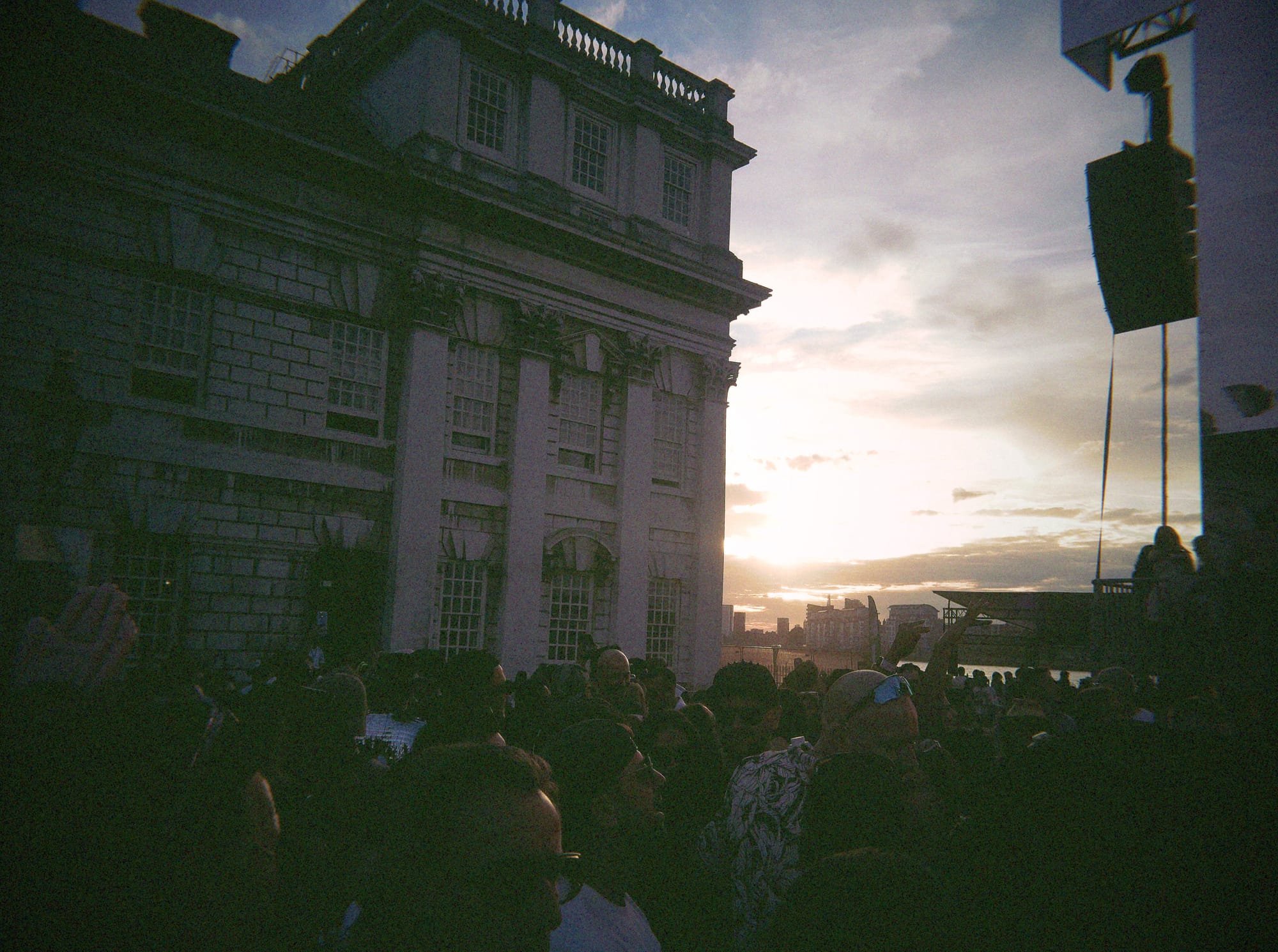
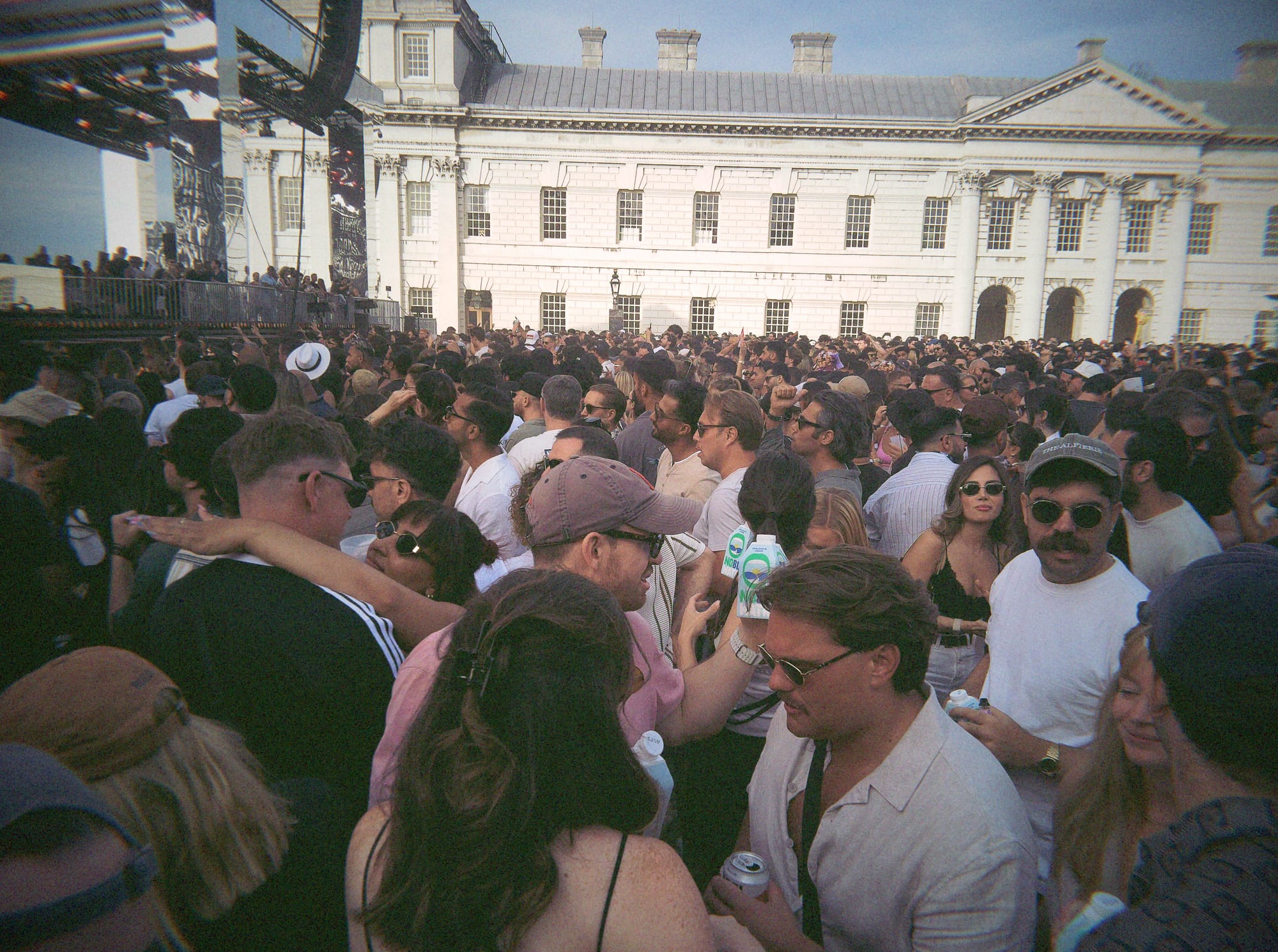
An unexpected highlight this week is the Old Royal Naval College, where you can see Moby on Saturday and Michael Bibi and Seth Troxler on Sunday, if you're that way inclined.
Friday
- Our House W/ Meduza, James Hype, Nora En Pure & more Magazine
- Origins: Pangaea, Or:la & Pariah Fold
- Phonox: Recondite (Live), Motip White Phonox
Saturday
- Cooking with Palms Trax with Call Super, Prosumer, OK Williams, John Talabot & More The Cause
- Art Of Dark - Summer Heights Fold
- Moby Live on the Thames Old Royal Naval College
Sunday
- Michael Bibi on the Thames Old Royal Naval College
What else?
- The group chats have been aflame this week with talk of one particular user who has been DMing members, asking them to donate to an initiative to take orphans out for fancy dinners. This has been going on a few months and, after evidence that he's been borrowing money and not repaying it from several other members has come to light, people are starting to realise it might all be a scam. While I won't name him here, be careful handing over money for charity to people you've only met on a dancefloor.
- You might need to finally update Rekordbox. AlphaTheta, the parent company of Pioneer, is warning users of a security risk in certain CDJ/XDJ models that could allow malicious actors to see data contained on devices and SD cards linked to a Pro DJ Link network. The company is working on a fix now.
- Californian rapper Tyga has come out to say he's used AI on his new album, claiming: "It's no different than when Auto-Tune came out. Some people were opposed to it, but real artists took it and used it."
- Ibiza officials are planning to ban new nightclubs on the island, saying: "We believe there is already enough nightlife in certain areas and no more licenses should be granted."
Member discussion