The underground runs on one percent
Ciao! I'm back from Italy and vaguely refreshed after a few days of food, sun and bumbling around. I went on a Parmesan Reggiano casaro, I ate my weight in gelato, it was all very touristy.
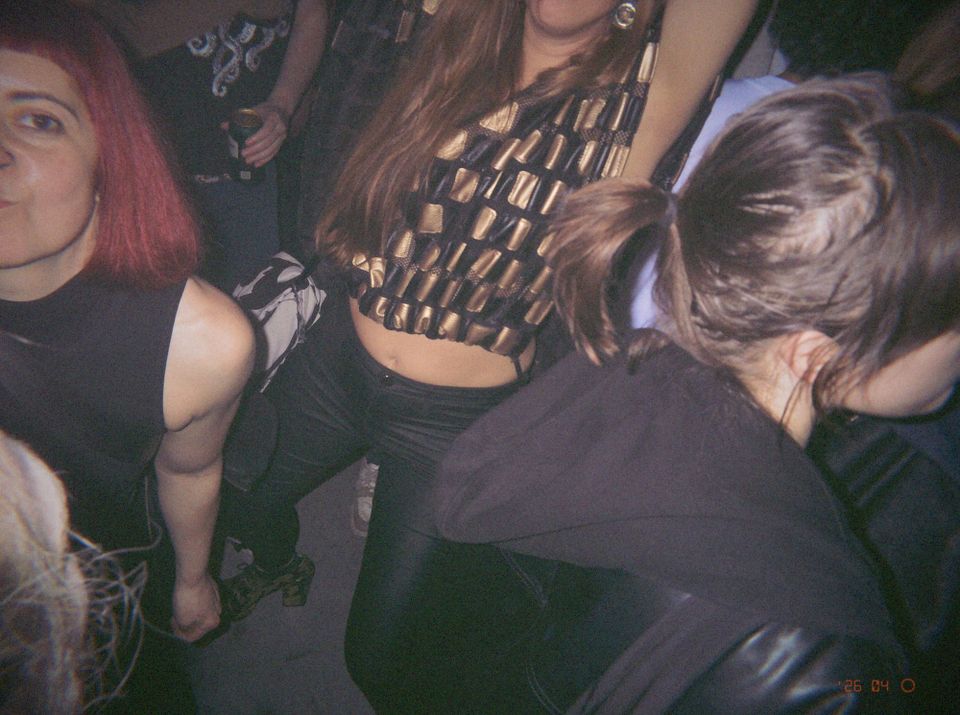
Of course, Friday night came along, and I got twitchy, so I went to check out a show in Bologna, Fortune Tellers. It was in a tiny building, but the crowd went hard, bopping around as Bologna native Flaw mixed on vinyl. It was a small but friendly crowd, with most of the people I spoke to bemused that people from London would come to a small show in Bologna.
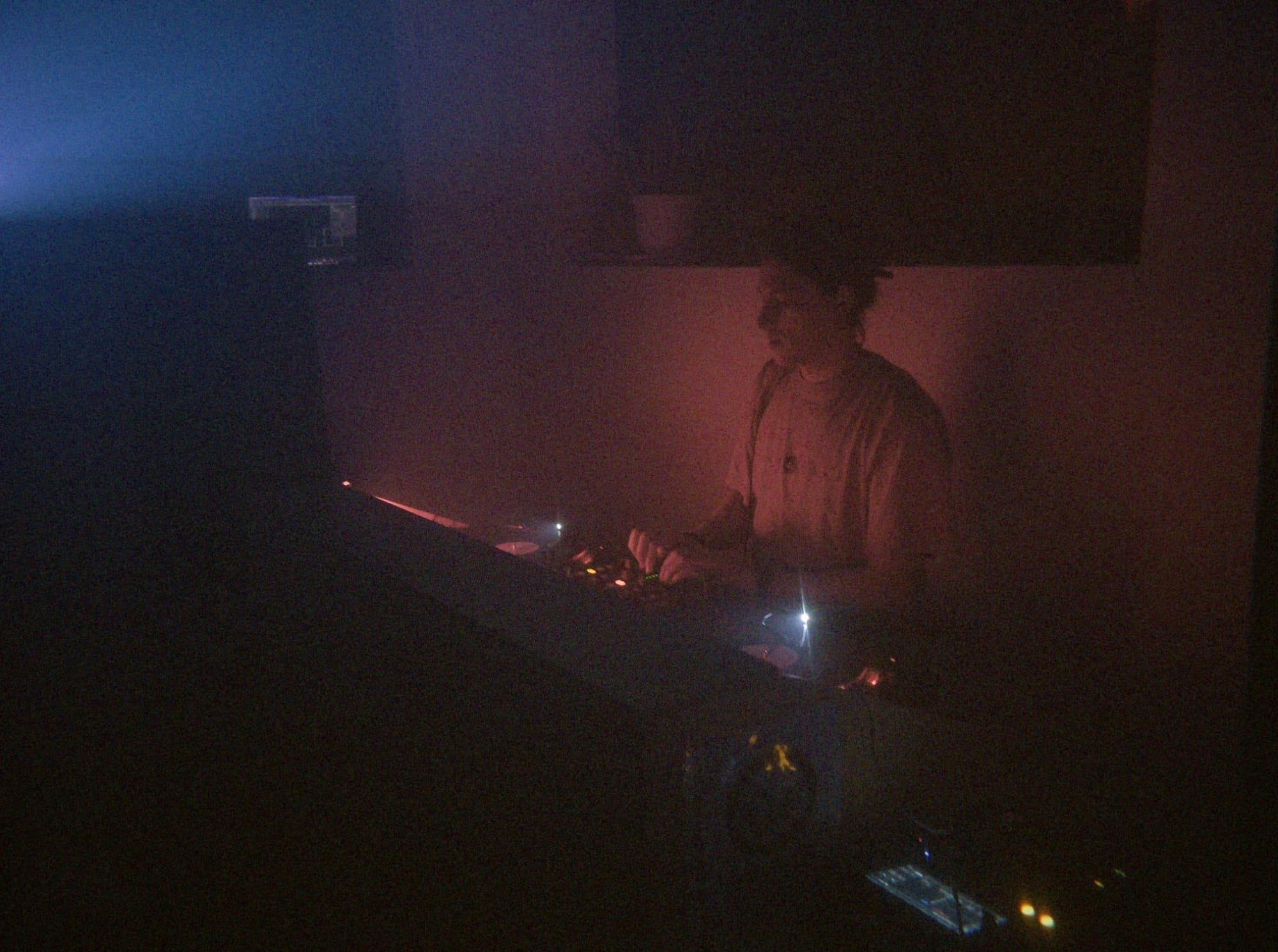
They shouldn't doubt it. Bologna was having a quiet weekend, but what I found was small, scrappy but absolutely worth showing up for. People were locked in and dancing away, barely a phone in sight.
Things work a little bit differently there. I wasn't asked for any ID, and I had to pay 10 euros to join some sort of Bologna social club, the only way I was allowed to attend the event. Still, it was worth it, it was a good night and I was back in my Airbnb by 2.
This week, you can read on to see me get in a right grump about phones in clubs and Martina who stepped up and wrote some thoughts from a talk she attended last week at Fabric about supporting music at a grassroots level. It's weird that Fabric of all places is trying to bring people together to support the grassroots, but I applaud the effort either way.
The Mix
Serving up a slice of 145ish techno from my alternate reality DJ alter-ego today as, let's be honest, I've mostly been tooling around Bologna and not spending a lot of my time listening to other sets, which I tend to do when I'm cleaning the kitchen or trying to crush my email inbox at work.
Velocidad Vertiginosa is supposed to be a high-BPM ride that focuses more on momentum than anything else and the hope is that it will keep you dancing for an hour without pause. Let me know how it works for you. Click play below if you're on the website, or click here to have a listen on SoundCloud, if you're reading this in your inbox.
Grassroots survives with people, not platforms
Written by Martina Mozzone
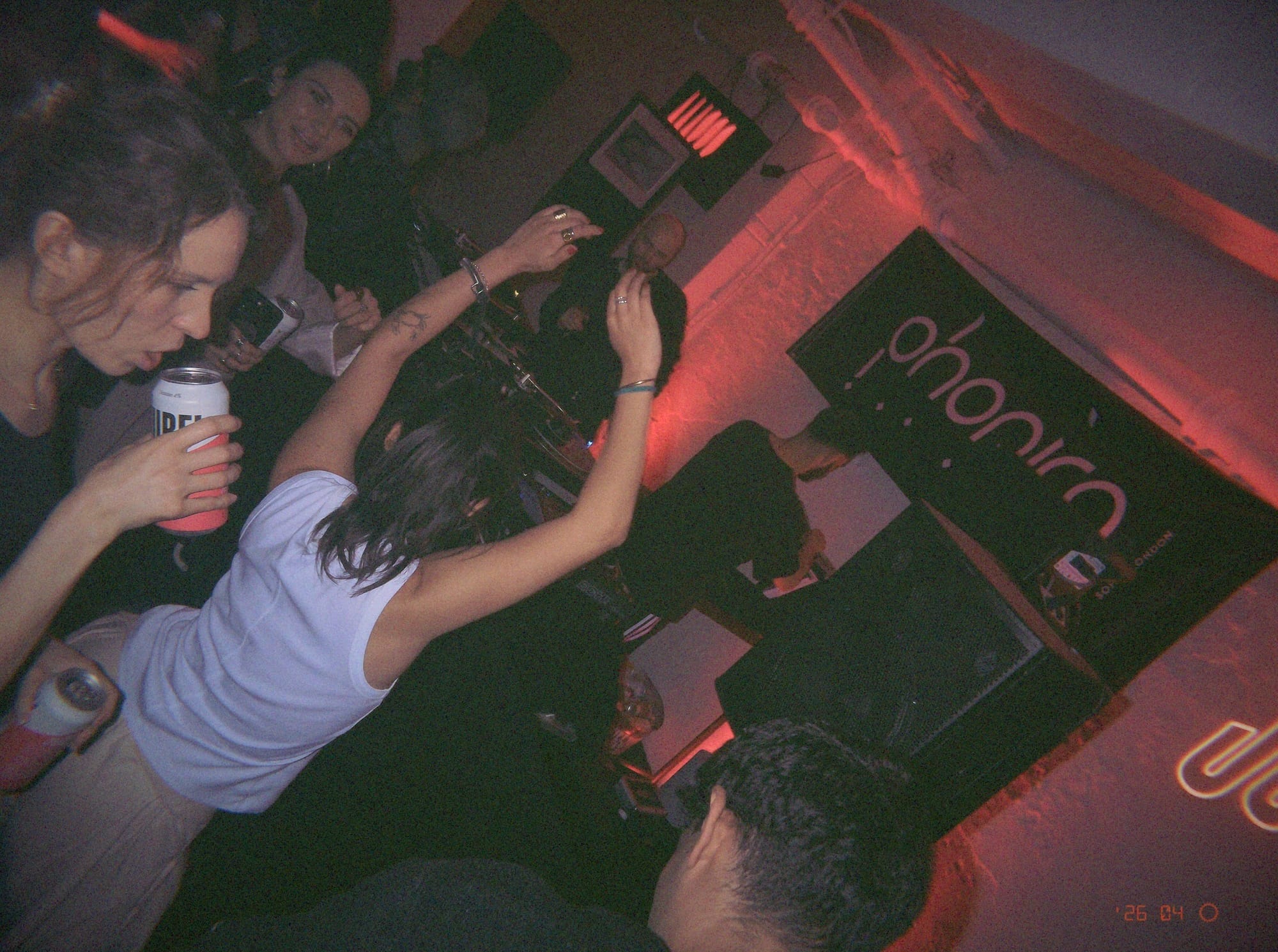
On Wednesday evening, I went to Fabric for a panel talk organised by Kindred and the London Museum, titled Nightlife Communities: Sustaining Grassroots Scenes. The room was packed with dancers, audiophiles, promoters, DJs, venue owners, and people who just wanted to understand how to make the scene more inclusive and accessible. It's the kind of room that gives you a little bit of hope about things.
On the panel: Anjali Prashar-Savoie, writer, DJ and party organiser, who recently released her first book Club Commons: Moving Bodies to Grow Movements in Queer Nightlife and Beyond. She was joined by Lenny Watson, a co-founder of Sister Midnight leading the campaign for Lewisham’s first community-owned music venue. Mike Levitt, founder of Ormside Projects, a DIY arts and nightlife space supporting experimental music and grassroots creative communities. Hosted by Ed Gillet, a London-based author and journalist whose work explores music, culture and the political forces shaping nightlife in the UK.
Several things were said that I haven’t been able to stop thinking about since. The first: grassroots venues are operating on a profit margin of approximately 1%. One per cent. I knew it was tight. I didn’t know it was that tight. And that single number explains so much. Why nights close without warnings. Why promoters burn out. Why the venues that mean the most to us are often the ones most at risk of disappearing.
The second: the conversation around ticket buying and bar spend. Promoters need to sell a significant chunk of tickets in advance just to cover costs (to pay artists, secure the venue, and guarantee the bar minimum, which typically sits around £2,000). But people are drinking less and spending less, which means that the old financial model is under real pressure. Ormside Projects has already started building new frameworks to address this. Most smaller venues haven’t yet, and the anxiety in the room when this came up was palpable.
The third: A question from a woman in the audience: "If I’m new to the scene, how do I even find these events? How do I discover the smaller artists, the independent venues, the nights that aren’t backed by big marketing budgets?
The panel didn’t quite answer it. And honestly, I don’t think that’s criticism; it’s just a hard problem. If you’re entering the scene now, the algorithm will serve you Fabric, Drumsheds, and the big headliners. The grassroots nights don’t always have the budget to reach you. They rely on organic reach, often managed by people with full-time jobs on the side.
When I think back to how I found my way in, it was entirely through people. Colleagues who were already deep in it. Friends of friends who knew the local venues, the promoters, the parties worth going to. It happened slowly and organically – through real conversation, in real rooms.
That infrastructure of word-of-mouth still exists. I just think we’ve stopped trusting it. We’re all online, sharing memes and TikToks, but we’re not actually having the conversations anymore. The one with the solo raver in the smoking area. The one where you tell someone about the tiny venue in Hackney that changed your life. Those conversations still matter. Maybe they matter more now than they ever did.
I’ve been reading the electronic music forecasts for 2026, and one quote stopped me mid-scroll. Onome Sarawi, co-owner of VBX and programmer at Lofi Amsterdam, put it plainly: “Mid-tier events will need to focus on real curation and local talent due to rising costs and the need for more mindful formats. The underground holds an advantage. People crave authentic, curated experiences over oversaturated, content-driven spectacles.” Yes. That.
It connects to something else the panel raised, a question about why some grassroots venues occasionally book big names that feel completely out of step with their usual ethos. The answer was simple and a little heartbreaking: sometimes you have to. A big name fills the rooms, covers the bar spend, and makes it financially possible to put on the experimental night next month that only draws 60 people but is the best thing you’ve done all year.
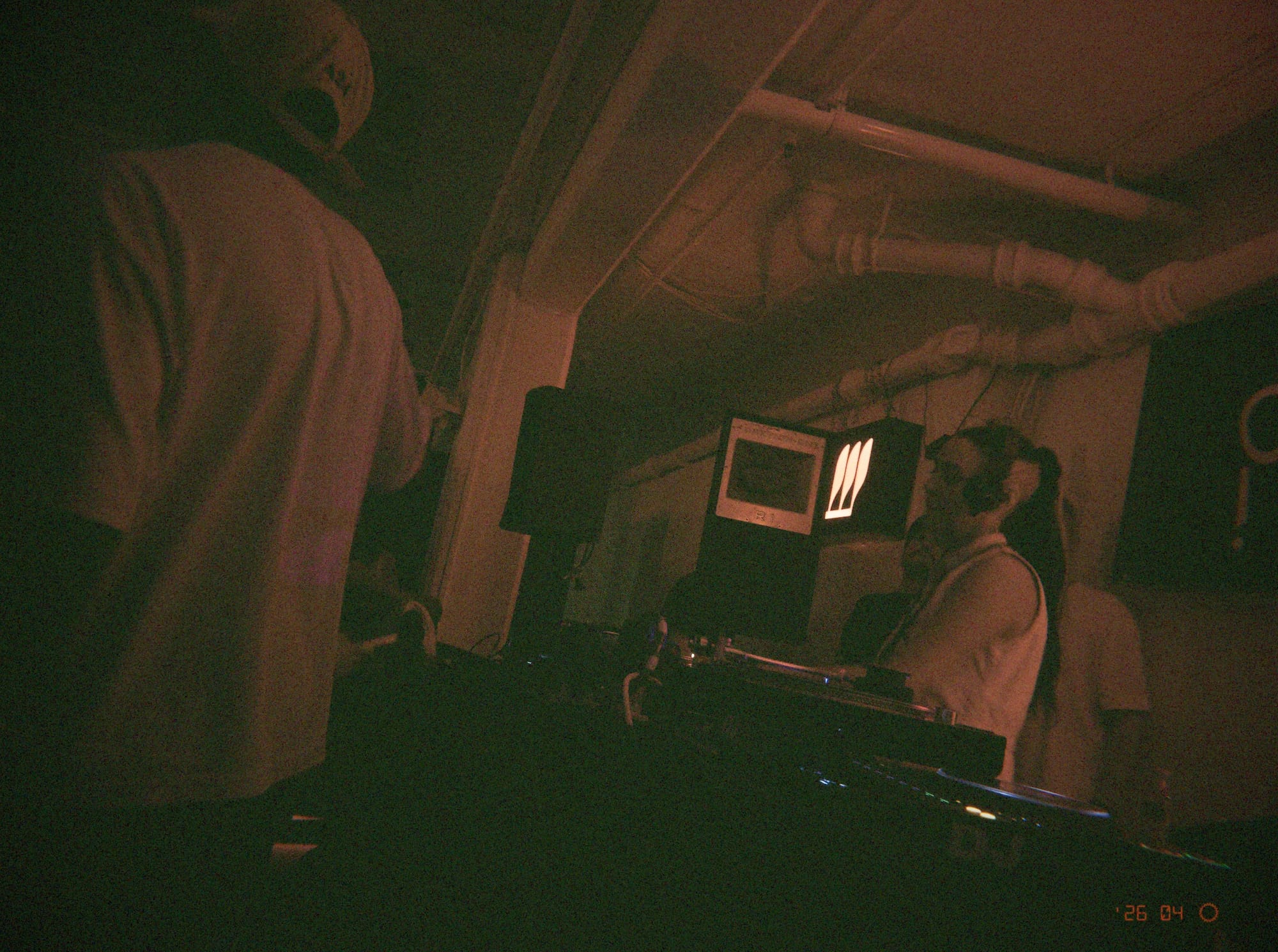
I saw that dynamic play out at Transmissions at Fold last Friday. I never miss Transmissions, but this time the main room was half-full rather than packed, the smoking area was almost breathable for a change. I wondered if it was the sheer volume of events that weekend, or the fact that Voicedrone and James Newsmarch were also playing a 12-hour marathon the following day. Either way, the steam room stayed rammed all night with Wednesday, Marius Bø and Xiaolin. The main room opened with JASSS. Then Quelza and livwutang started deep and dubby in their B2B and built to a high-techno peak before handing over to DJ TOOL, who did exactly what he does, a set with no interest in rushing anywhere.
I loved it. But after the talk at Fabric I had a new awareness of how fragile these nights are, and how easily the numbers can tip the wrong way.
I left the talk with a renewed sense of guilt about my own habits. I love Ormside. Their curation is consistently brilliant, and the venue itself is one of the most intimate spaces in London. But I haven’t been in a while. And listening to Mike Levitt talk about how hard it is to compete on a night when a big headline act is at Drumsheds, knowing that every person who doesn’t walk through their door is another step toward the margins not being viable, made my heart ache a little.
There’s also a new organisation worth knowing about: GEL, an equitable ticketing for grassroots nightlife spaces The idea is to address the financial imbalance directly, making it easier for independent venues to survive the economics without compromising their identity. Worth supporting.
The question I keep coming back to is: what can those of us who are already in the scene actually do? We have the knowledge. We know the venues, the promoters, the artists worth watching. Are we sharing it widely enough? Not just in our existing circles, but with the person next to us on the dancefloor, the newcomer in the smoking area, the friend of a friend who keeps saying they want to get more into this?
I think that’s where it starts. Not with apps or algorithms, but with people telling other people about things that matter to them. That’s what we’re trying to do here, every Thursday. We’re glad you’re reading.
What's on?
There’s a slightly absurd tension for this What's on section. Each Monday night, I sit down and pull together a few different options for the weekend as I myself am toying with what to do. Then I decant it delicately into this section and by the time it lands in your inbox, half of it is sold out while the rest exists in a gray area somewhere between "technically available but hideously expensive" and "good luck with Ticketswap."
In this case, the rarest event for me this week is Carl Cox and the Prodigy playing in Wembley on Friday. I've always wanted to see Prodigy and never managed to make it work. I'm not bitter that my friend has managed to snag tickets. promise.
Anyway, musing on this has raised the question: who are listings really for in a moment where the best nights seem to vanish days, sometimes weeks, in advance?
Part of it, I think, is that listings have quietly shifted from being purely functional to something closer to a cultural snapshot. Less “here’s what you can definitely get into,” more “here’s what’s shaping the week.” Even if you can’t make it through the door, there’s still value in knowing what’s happening, who’s playing where, and what kinds of nights are drawing a crowd. It builds a picture of a scene in motion.
Or at least that's what I've been telling myself. I’m trying to figure out where the balance sits and you can help me. I’d genuinely like to know what’s useful for you here—and what isn’t. If you read listings, what do you actually want from them? What helps you decide where to go, and what just feels like noise? Drop me an email and let me know.
If you are just here to find out what I'm doing this weekend, happy to let you know I'm going to the House Gospel Choir on Friday night out of curiosity, and hoping to go to Free From Sleep on Saturday night, if I can find someone to go with me. Can you believe I've never been to Ministry of Sound? It confuses me too, half the time.
Friday
Travs Presents 4th Birthday w/ Rude Kid, JME, P Money, Yemz, Bluetoof Colour Factory
House Gospel Choir presents: Club Classics The Jazz Cafe
Tilted: An evening at Nico's Nico's
Sounds Crazy presents LDN 001 The Waiting Room
Saturday
A Day with Roger Sanchez(Day Party) Night Tales
Free From Sleep presents: Jody Wisternoff, My Friend, Spencer Brown Ministry of Sound
The Blocks (free Brama warm-up) Number 90
Brama 006: BASHKKA, Stella Zekri, Michael Upson, Toby, Kafn, Plena Sound Number 90
Sunday
Sunday Service Planet Wax
Snooze After Hours Number 90
What else?
- The Sisu collective is taking over Palais' ballroom tonight (Thursday, 23 April), there's free entry, and the lineup is absolutely worth your time.
- A study from last year is doing the rounds, claiming women aged between 40-65 are seeing mental health benefits from going clubbing. I'd believe it, a 4/4 beat has always made me feel better.
- This Summer's Amelie Lens & Sara Landry show has added a heap of new DJs, including Dax J. Having to convince myself I don't need to spend £60 to see Lens and Landry play B2B, even if they've added SPFDJ, Dax J, Grace Dahl and DJ Hyperdrive.
Member discussion