Resale has changed the way we party
There was a time when buying an early bird ticket felt like joining a secret. You'd see an event announced, message your mates immediately, and within ten minutes everyone had committed. It didn't matter that the lineup was only half revealed or that the event was six months away. The reward for believing in the party was a cheaper ticket, and the understanding was simple: take the risk, get the discount.
For bigger events, that relationship feels like it's breaking down.
Over the past year, I've lost count of the number of events where the cheapest tickets disappeared within minutes, only for the same event to be awash with cheaper resale tickets in the last 48 hours. Open TicketSwap the day before a sold-out show and there's a good chance you'll find tickets changing hands for less than the original early bird price. Sometimes significantly less. It's hard to blame people for noticing. Fisher, where tickets started at £60, you could find a pass for £35. Want to go to Drumsheds this September? You'll be able to get a ticket on the day for close to half-price. If Spotify doesn't give you a ticket for free.
For a lot of people, buying early has stopped feeling like a reward and started feeling like a gamble. Why tie up £30, £40 or even £60 months in advance when there's a decent chance you'll be able to pick up a ticket for less a few days before? Unless you're chasing one of the handful of genuinely impossible tickets, waiting has quietly become the financially sensible option.
The irony is that resale platforms are doing exactly what they were designed to do. They're protecting fans from touts, making it easy to pass on tickets you can no longer use, and keeping prices fair. That's a good thing. I'd much rather live in a world of face-value resales than one dominated by bots and scalpers.
But these platforms have also changed the psychology of buying tickets.
We're no longer competing with an event selling tickets. We're competing with thousands of people's changing plans. Holidays get booked. Work shifts appear. Relationships end. Festivals wipe people out financially. By the week of an event, there's almost always someone who just wants their money back.
For promoters, that's becoming a real challenge. Because while these huge venues can happily eat the cost and rely on people to show up on the day, those 200-capacity venues are really feeling the pressure when no one buys early.
Early bird sales aren't just about rewarding loyal fans. They're a huge part of cash flow. Those first ticket drops help pay deposits, secure venues, book artists and give promoters confidence that an event is heading in the right direction. If everyone starts waiting until the week before, it makes running independent events far more stressful.
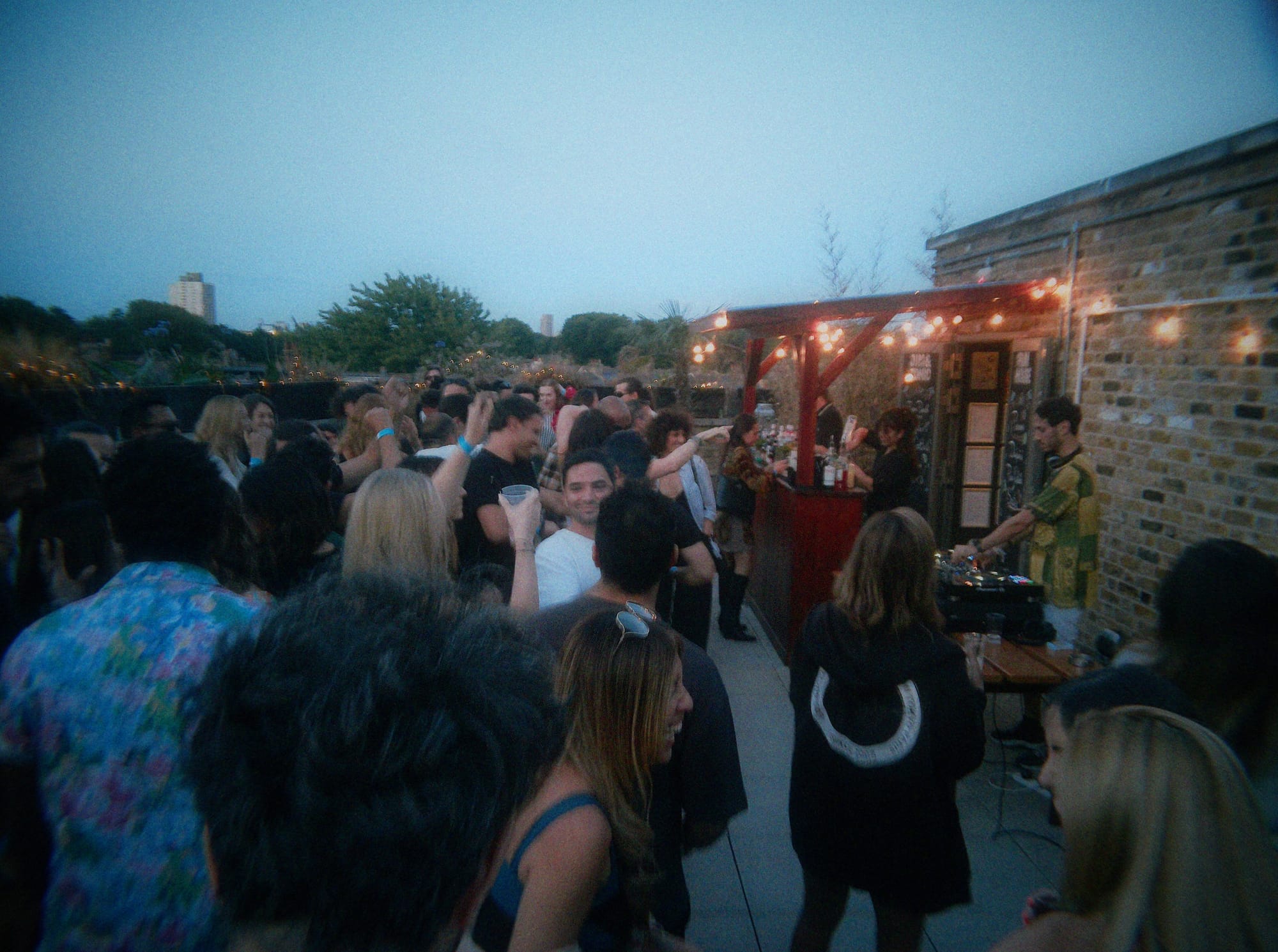
The answer probably isn't making early birds even cheaper. Instead, promoters need to give people something resale can't. Maybe that's a free cloakroom token, priority queue access, exclusive merchandise or even access to a secret afterparty. The early bird has to feel like more than just the cheapest way in. Because right now, it doesn't.
The strange thing is that everyone is acting rationally. Fans are saving money. Resale platforms are making ticketing fairer. Promoters are trying to price events sustainably. Nobody is doing anything wrong, yet the system suddenly feels upside down.
The early bird used to reward optimism. Now optimism is expensive, and patience often pays. If that continues, London's nightlife may have to rethink one of its oldest unwritten rules: that the people who back a party first should get the best deal.
The Mix
It's an In The Booth week, so this week's mix is from our guest DJ, vene.tia. It's a fun mix that bounces around with some thumping bass and kept surprising me at every turn.
Although vene.tia will be missing Houghton this year, this mix is inspired by the driving, chunky bass which is the festival’s classic sound. The mix embodies vene.tia’s signature blend of breakbeat, electro, acid and tech house. Featuring productions from electro’s DJs of the hour, including Reptant, Carl Finlow, Aurora Halal, Nicola Cruz & Z@P - spooky vocals, trippy melodies and groove abound.
In the Booth
vene.tia
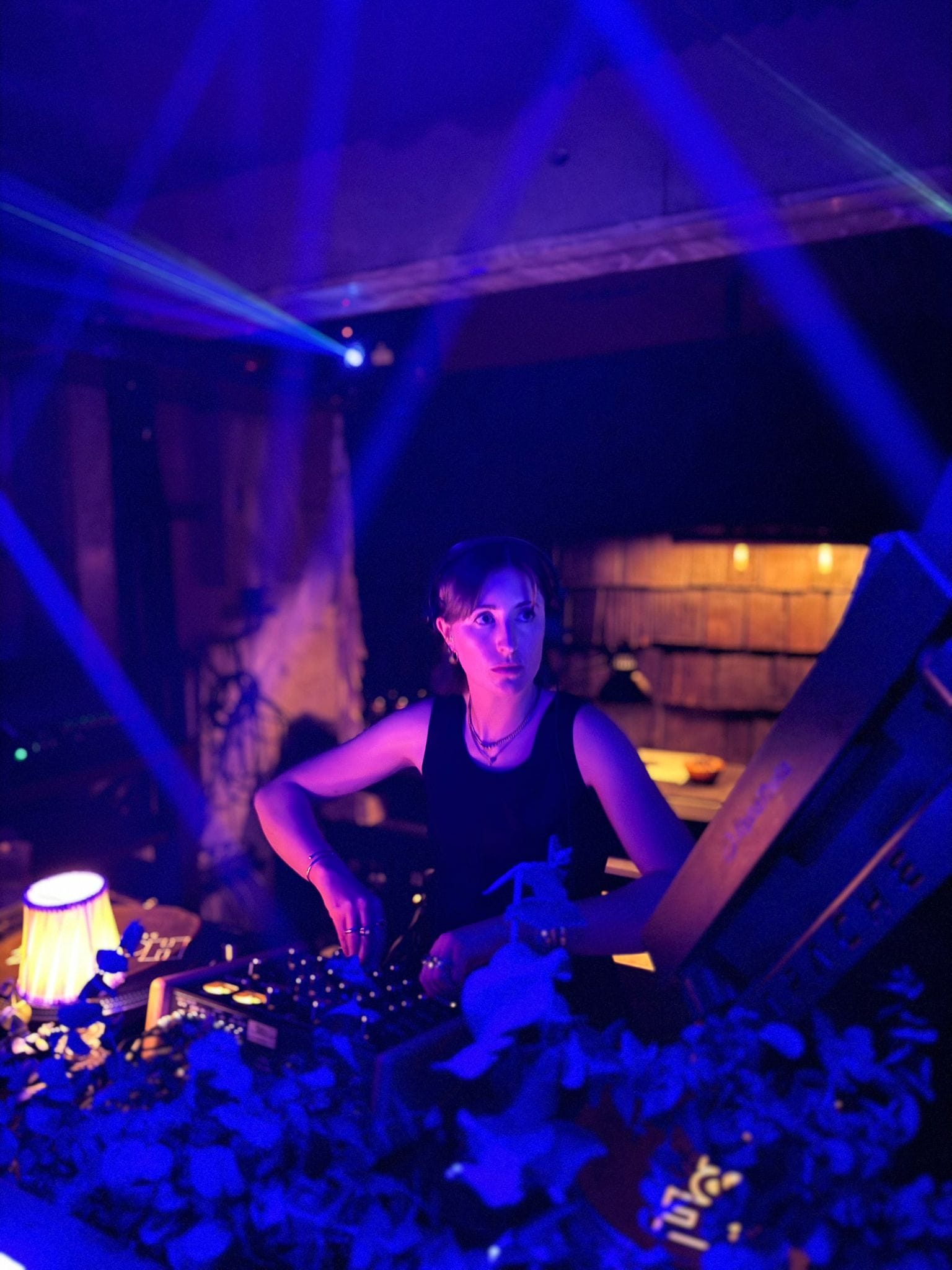
Following the buzz from Hoxton Cabin a couple of weeks ago, the name that kept popping up was vene.tia, who delivered a phenomenal set while I was elsewhere (read:suffering at Gallery.) I take these recommendations pretty seriously, looked her up on Soundcloud and spent a week digging through different sets, which quickly became the soundtrack of my entire week. So, here she is, In The Booth.
What’s the first track that made you understand what a dancefloor could do?
Ben UFO played Leko (KiNK remix) at the Pavilion at Houghton and I stomped my lil feet and shook my tail feathers and felt a kind of euphoria you can only feel when a track really takes you and lifts you up through a soundsystem you only get on a dancefloor. Houghton is a rite of passage for lots of DJs and each one has made me develop more and more. At a festival I’m known amongst my friends for not really sitting down much over the weekend, as I aim to be dancing pretty much every minute I’m awake. That’s the power of the dancefloor; it pulls you in and it can be actually quite addictive.
What is your earliest memory of dance music?
I actually first got into dance music through dubstep - as a 16-18 year old during the Skrillex era I loved the basslines and squelchiness. Once I got to university at Leeds, my taste moved on and diversified to centre more around minimal tech house, drum and bass, jungle, and house - three years at Leeds gave me a great foundation in electronic music. Stints living abroad in France, Chile, Japan and Argentina honed my taste and it continues to evolve each year.
What do you notice from the booth that no one else sees?
I think I look at people’s faces a lot from the booth to gauge the energy of the crowd - it can tell you a lot about your set and helps me keep locked in.
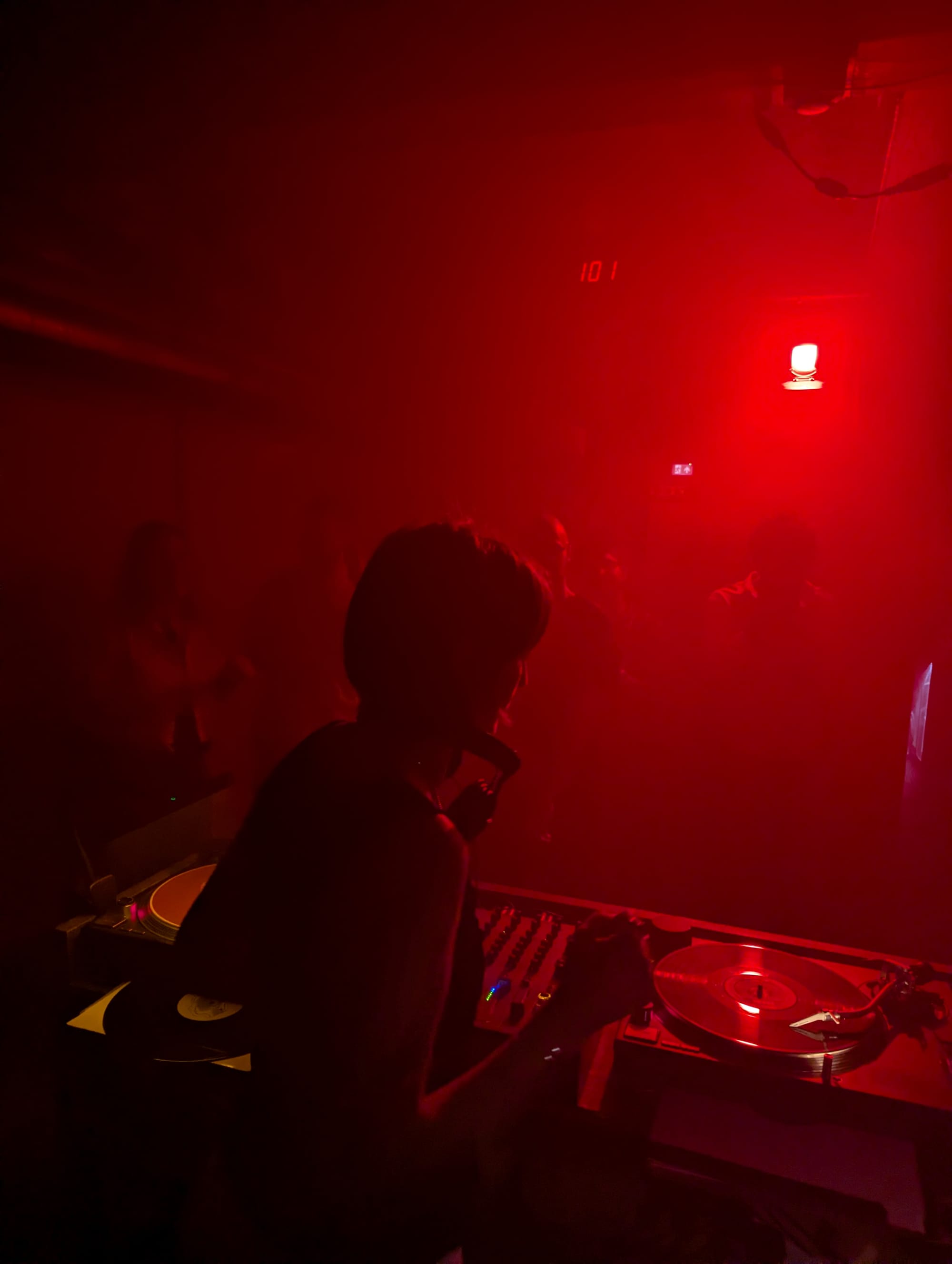
When was the last time a crowd surprised you?
Almost every set I play, if the energy is high enough, I get carried away and throw in little trancey number. I’m always a little surprised, despite myself, when the crowd loves it.
What part of you only exists on a dancefloor?
It depends on my mood - I’ll either get really introspective and sucked in, or I’ll be bouncing around. I can be a bit introverted, so when that bouncy side of me comes out, I know it’s a great set!
What song do you keep in your back pocket to cause trouble?
Fio Fa - In To Da Groove - it’s a rolling tech house chugger with hypnotic building chords that gets the crowd moving.
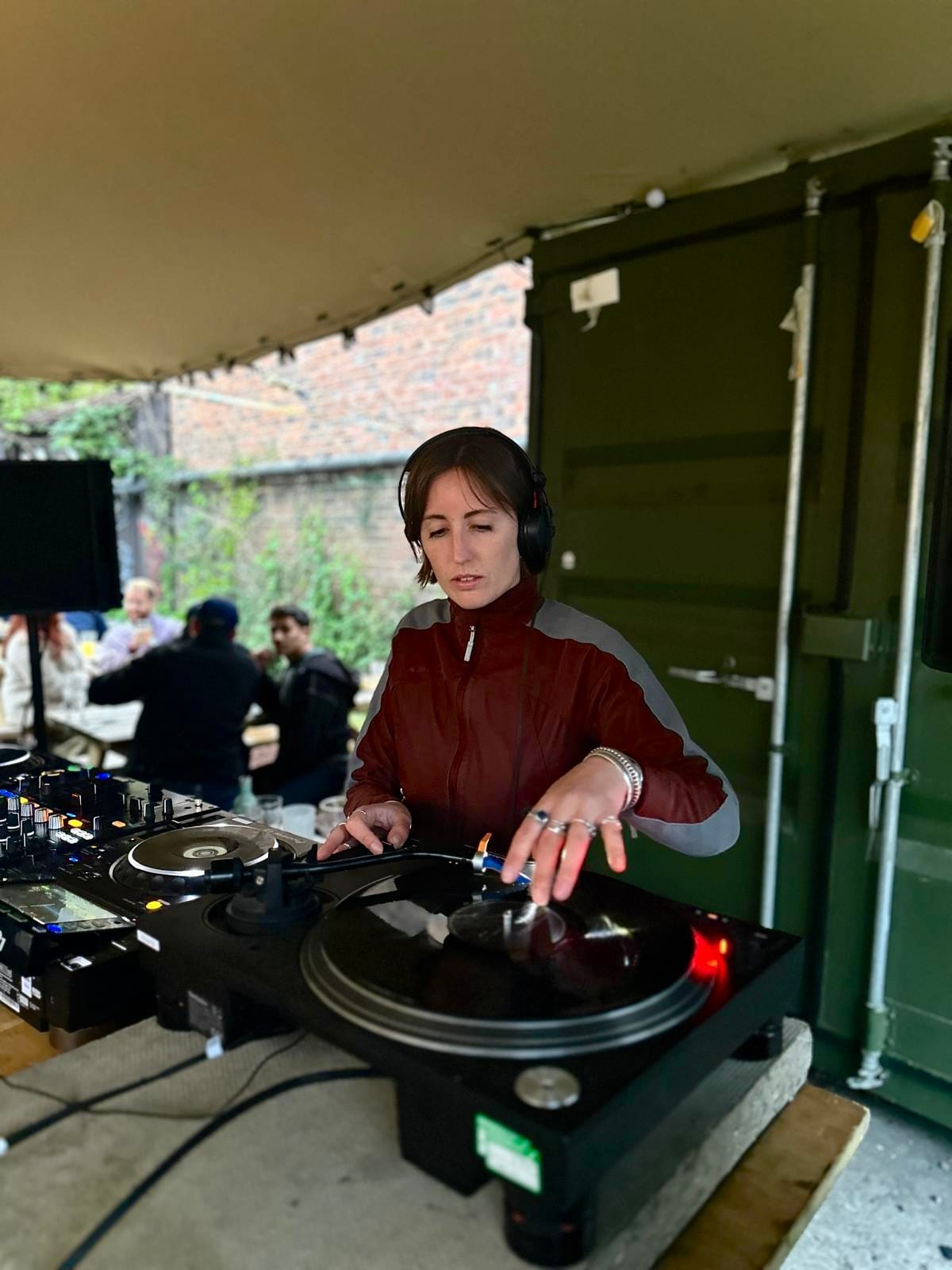
How do you describe your sound?
My sound centres around electro, pulling from genres including tech house, acid, techno and breakbeat - I love that 303 squelch. It has to feature groovy basslines and ethereal synths - I’m really not into tracks that have no groove.
Who's your partner in crime?
Claudia, Volition co-founder, is one of my close friends I love to play with - our sounds really complement each other. My other partners in crime are Fenton Haslam and Jay Ho, both rising stars in the scene and best mates from Leeds.
Why do you dance?
I dance because when I hear a groovy track I need to move my body, it’s hard to stop. It’s also how I bond with my mates - we’ve been partying together since Leeds and getting to spend a weekend at a festival or a night out with my closest friends feels like a privilege as I get older and we all have less time to spend with each other.
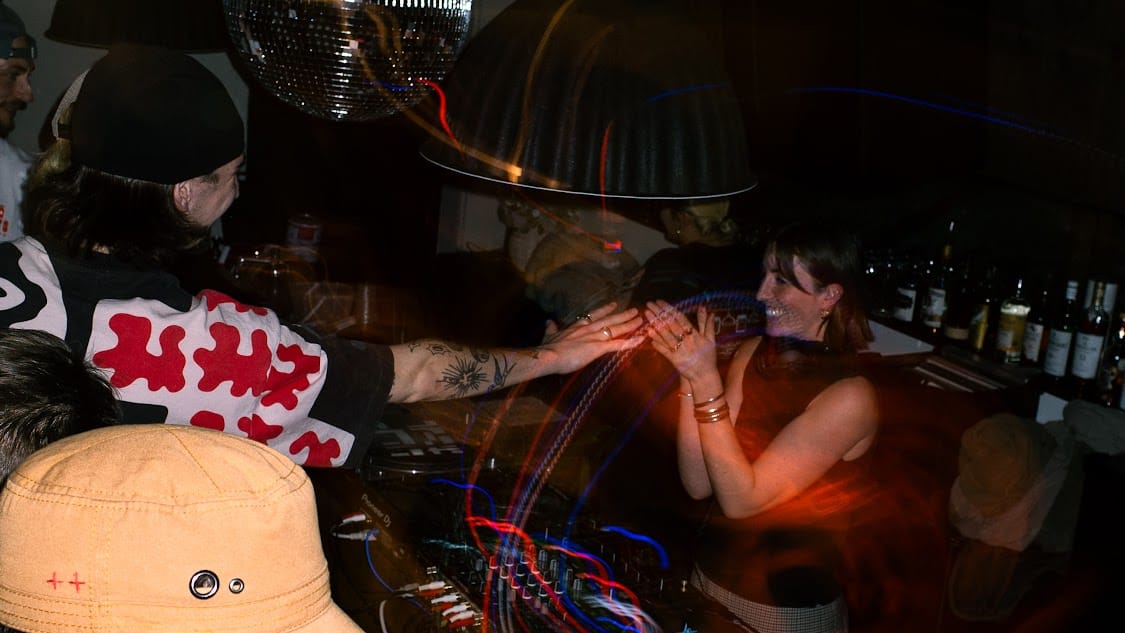
How did you get your DJ name?
My DJ name is actually just my first name, with a little edit.
The last couple of months have seen a wave of abuse allegations in the underground scene. What do you think has changed, and what still hasn't?
In the last couple of months, there has been an outpouring of support for those alleging abuse of men in power, from across genders - it has been uplifting to see men, not just women, standing up and calling for powerful men to be removed from the podium and face consequences for their actions.
However, we are still seeing far too many events and promoters not stacking up in the way they meaningfully empower women and gender minorities working within the electronic music space - employing them in the positions of authority and power. This includes women working behind the scenes as well as on line ups. The electronic music industry, and this largely means men in positions of power, still has a long way to go in terms of putting real actions behind their supportive words.
What does genuine accountability actually look like in dance music, beyond statements on Instagram?
Genuine accountability and supporting women and gender minorities in the electronic music space seems a nebulous concept, but there are some concrete actions that promoters and venues can implement – you see too many examples of promoters not digging for quality DJs across genders, and just putting their mates on the line up. The ripple effects of this are massive – representation has been shown to increase diversity and inspire others to get involved – if you don’t see yourself represented anywhere, those in positions of power seem to be telling you subconsciously: this isn’t for you. And this form of exclusion of anyone from a culture isn’t in the spirit that the electronic music industry claims to embody.
Genuine accountability means taking responsibility for your impact on the scene - whether you’re a promoter, a venue or a DJ. As a promoter, are you making an effort to include non-cis men on your line-up rather than just booking people you know? As a venue, are you giving opportunities to non-cisgender parties, or are you booking promoters with all cis-male line-ups? As a DJ, are you including female and gender minority producers in your sets? These small actions from people in positions of power can shift the dial.
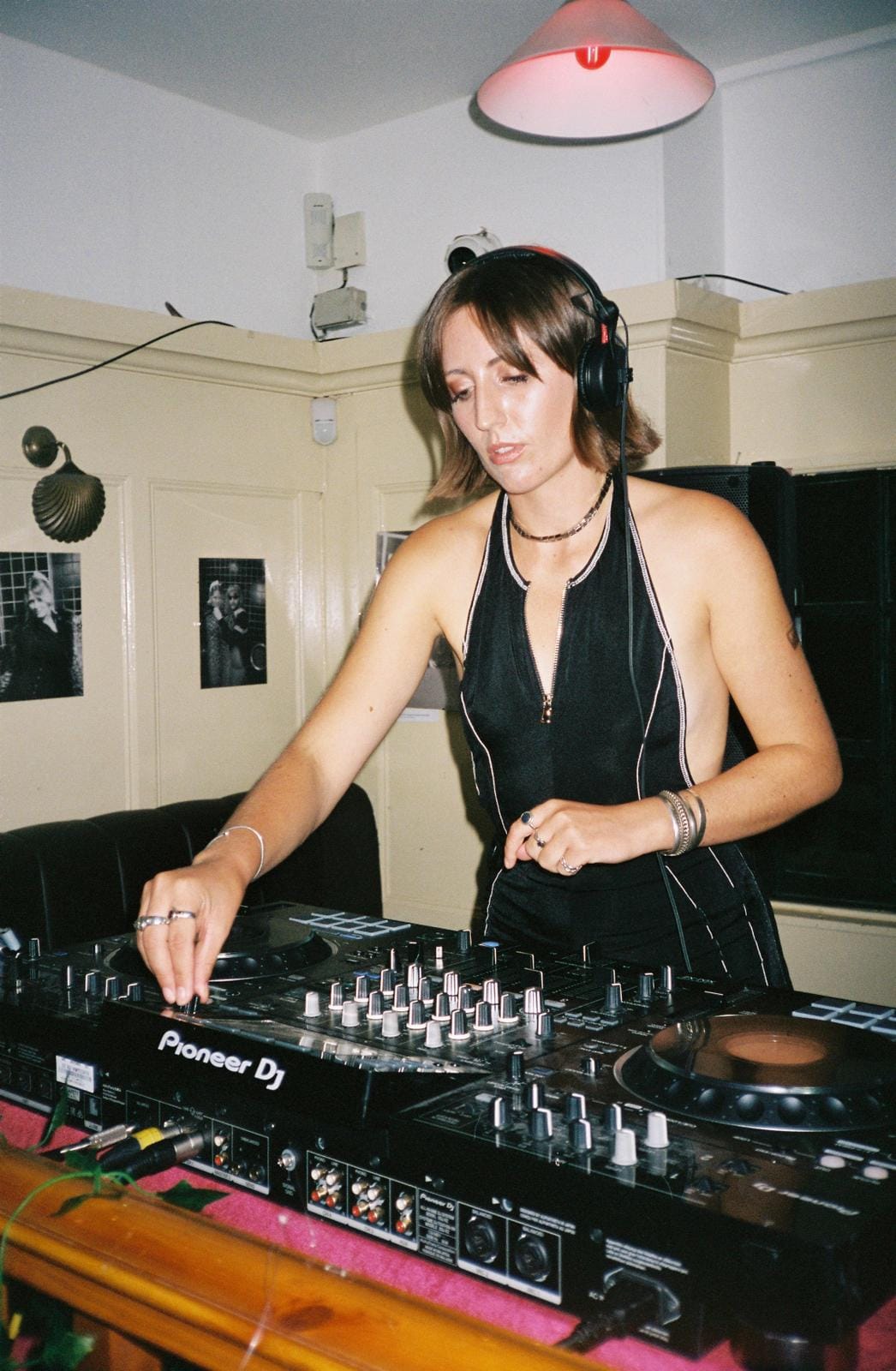
There was a noticeable push for more diverse line-ups a few years ago. Do you think that momentum has stalled?
I do think the momentum has stalled – I’ve seen numerous line ups recently with over 16 hours of music from just cis-male DJs, how is that possible?
There are lots of DJ communities dedicated to promoting female and gender minorities in many cities across the UK, across all genres. One of these is Selextorhood, based in London and Birmingham - I joined the community around 3 years ago and started to get involved straight away in event coordination and later bookings. The community aims to improve gender equality in the electronic music industry and give women and gender minority (FLINTA*) DJs better access to opportunities. Selextorhood gave me a big leg up in my skills and confidence, and I’ve met some amazing DJs who are super supportive and kind.
So many of these communities exist and are easy to contact: if a promoter can’t do the legwork to secure even one non-cis male DJ for their line up, that either shows a serious lack of awareness of the times we live in, or it demonstrates that promoting a fair, equal and inclusive music scene is actively not on their radar.
Something that isn’t spoken about as much is the ratio of male to female and gender minority producers in the electronic music scene. For example, Musician Wave estimates that, globally, 2% of producers are female. When I play an electro, breakbeat, acidy set I struggle to include more than two or three non-cis male producers. More support and awareness is needed to help reduce the gender gap in producing electronic music.
What does a genuinely inclusive line-up look like to you?
An actually inclusive line up doesn’t just have the token girl or non-white DJ - it doesn’t have to be exactly 50-50, but if you’re running an event with over 3 DJs there should be more than one non-cis male DJ on your line up. A great example is Dusty Flyers Club which I attended this weekend - almost 50% of the line up featured female and gender minority DJs. Many partiers responded to the diversity with positivity and pleasure. Racial diversity is also important to consider here, whether for male or non-cis male DJs.
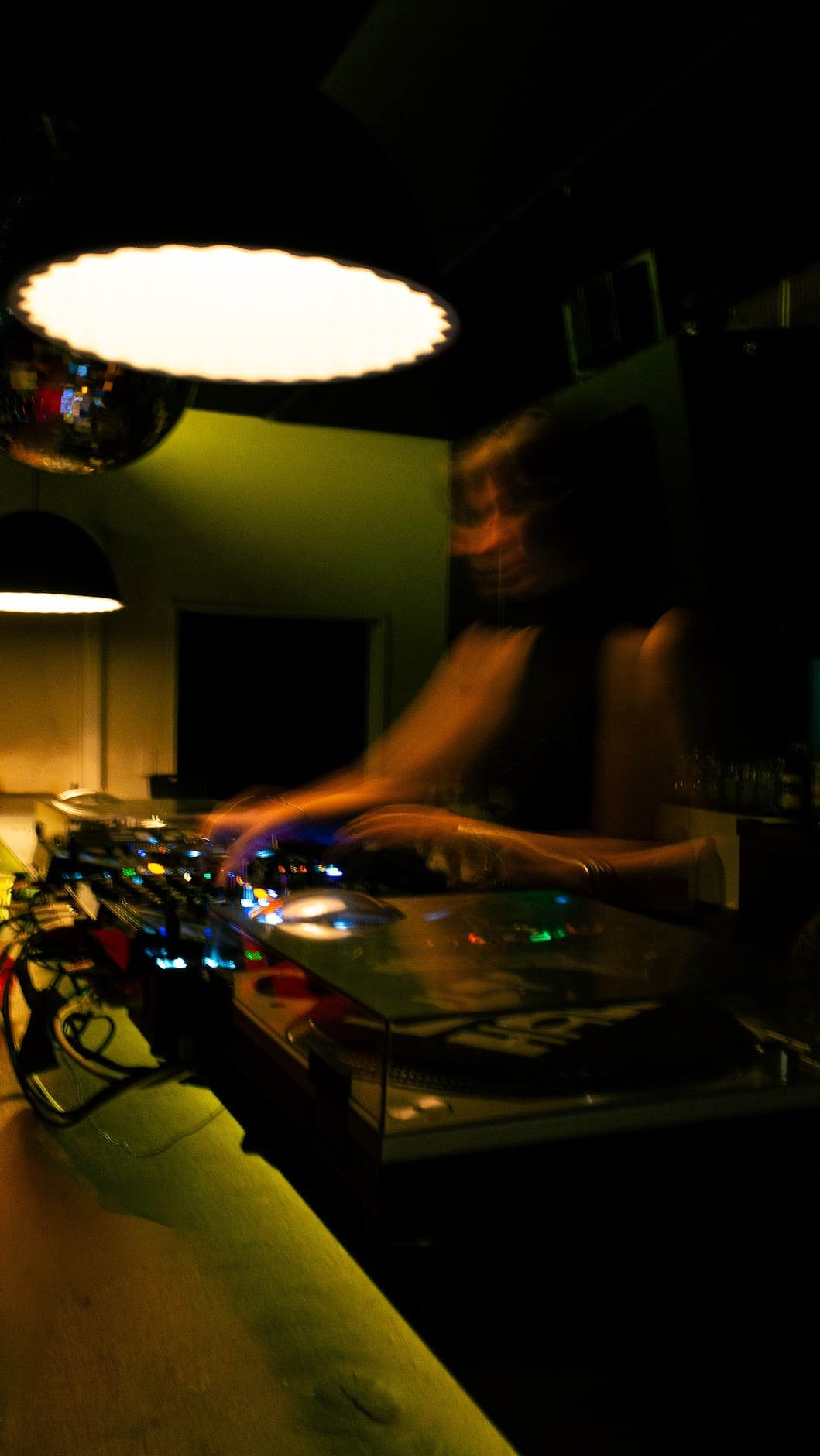
What made you decide to start mixing vinyl?
I soon realised that all my favourite DJs mix vinyl. It was another challenge I wanted to conquer, and I’ve always found that vinyl sounds richer than digital. I also love that you can find hidden gems that you can’t find in a digital format. I will usually buy vinyls that aren’t online for this reason.
Was there a moment when vinyl finally "clicked" for you?
It clicked, and then it clicked off again! I recently came back from a stint in Japan working at a nightclub, Hertzz, and I had the opportunity to hop on the decks around once a week. I bought a few records at a vinyl fair, and warmed up for artists including Giorgio Maulini, José Daguerre, Melgazzo and Maki Polne. That’s when it started to all come together and my confidence grew. I then spent 2 months travelling around Japan, and when I got back I struggled to find that ease which had come at Hertzz. Practicing almost every day for nearly a month before a closing set at Hoxton Cabal brought it back into focus.
Sustainability often feels like an impossible problem for an industry built around travel. Where do you think the biggest improvements can realistically be made?
I’m no expert in how agents book DJs, but it seems mad to me that someone can be booked in two cities in one night with a flight in between. There is room for a culture change here. Within areas like Europe, trains are the same price as flights and you avoid the luggage weight restrictions that can cause issues with transporting vinyl collections. Booking consistent, regionally focused tours rather than having DJs hopping around the world in 7 days can reduce greenhouse gas emissions and also help ease the mental and physical pressure on the artists from constant travel.
The Briefing
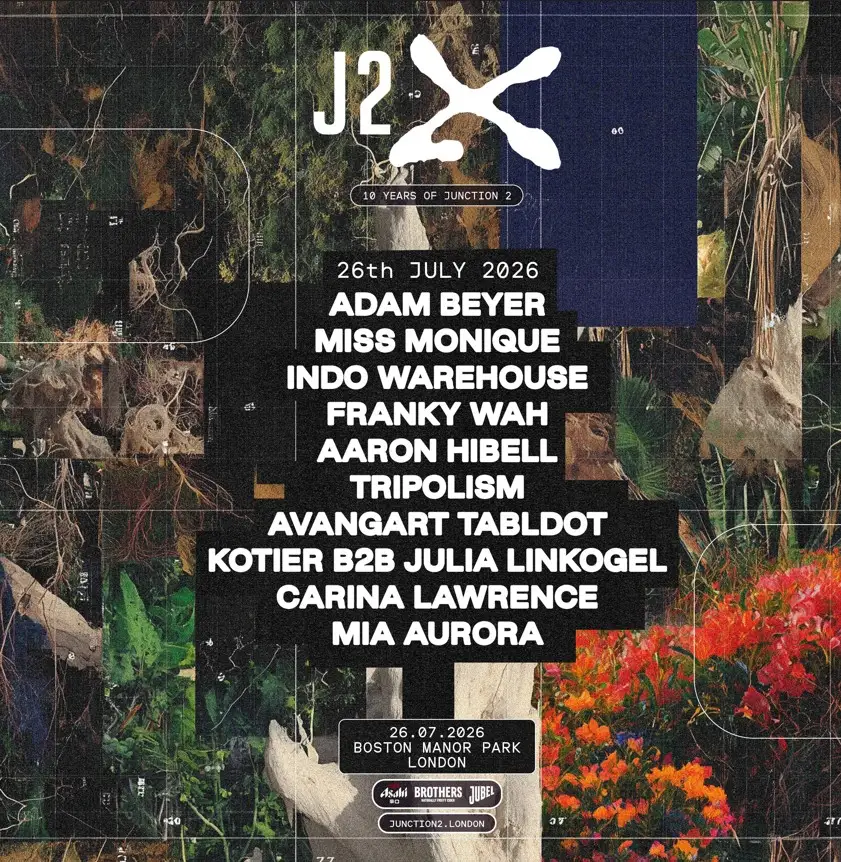
It's Junction 2 weekend! It's weird, last year everyone I knew was excited for Junction 2 but this week after the festival announced it was cutting the size of the festival and spreading it out over a larger area, it feels like it's taken all of the enthusiasm out of the room. I have tickets for Sunday to see Adam Beyer, Miss Monique and Carina Lawrence, but I'm not sure if I'll actually go yet.
The biggest problem is that they've cut away several of the stages and left it with only the iconic Bridge stage, which is a nightmare to move in and hard to dance in, and the Woods stage. Still, the lineup is good and I've wanted to see Miss Monique for ages.
There's plenty of other good stuff elsewhere. The Cause has its new day festival on Saturday, MARRØN is playing Fold, and as a throwback, Hannah Diamond is playing Glitch Garden, a new day festival at Colour Factory.
Friday
- Mums Against Donk X Church of Donkology X Donkline M.O.T
- Origins: Gene On Earth (All Night Long) Palais
- Hedex presents: My Home Is The Rave Festival (day party) Boston Manor Park
Saturday
- Junction 2 x fabric: Nina Kraviz, Jeff Mills, Marcel Dettmann, DJ Hell, Nicolas Lutz, Peach (day party) Boston Manor Park
- Origins: MARRØN, Prance & Gloria Rose Fold
- ARLYSS Invites with MAÏS Tola
- Glitch Garden: Hannah Diamond, Iglooghost, Doss, MssingNo, Lobsta B, Dark0, Kamixlo + more (day party)
Sunday
- Junction 2: Adam Beyer, Miss Monique, Indo Warehouse (day party) Boston Manor Park
What else?
- Tottenham is getting a new 250-capacity venue called Radial. It's next to Seven Sisters and has been established by Ten87 Studios with some help from Arts Council England's Supporting Grassroots Music scheme. Madelic played there a couple of weeks back, I'm keen to check it out.
- Dubstep pioneer Rusko has decided to "call it a day" on music, citing mental health reasons. He's taking an indefinite leave to work on himself.
- CD sales are growing faster than vinyl in the US for the first time in 10 years. I'm secretly hoping this leads to a resurgence of CD DJs.
Member discussion